
Last updated November 17, 2026
 Hardwood
 Engineered hardwood
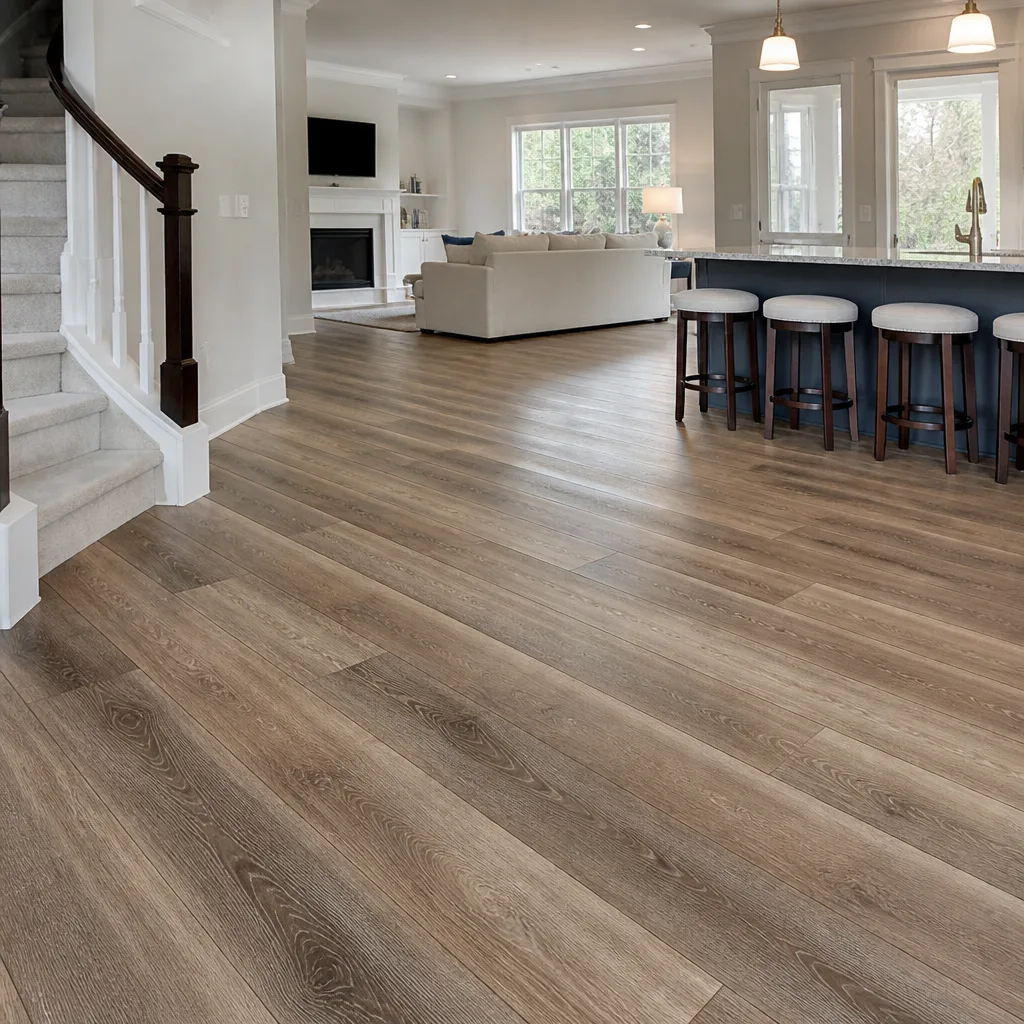
 Luxury vinyl plank
 Laminate
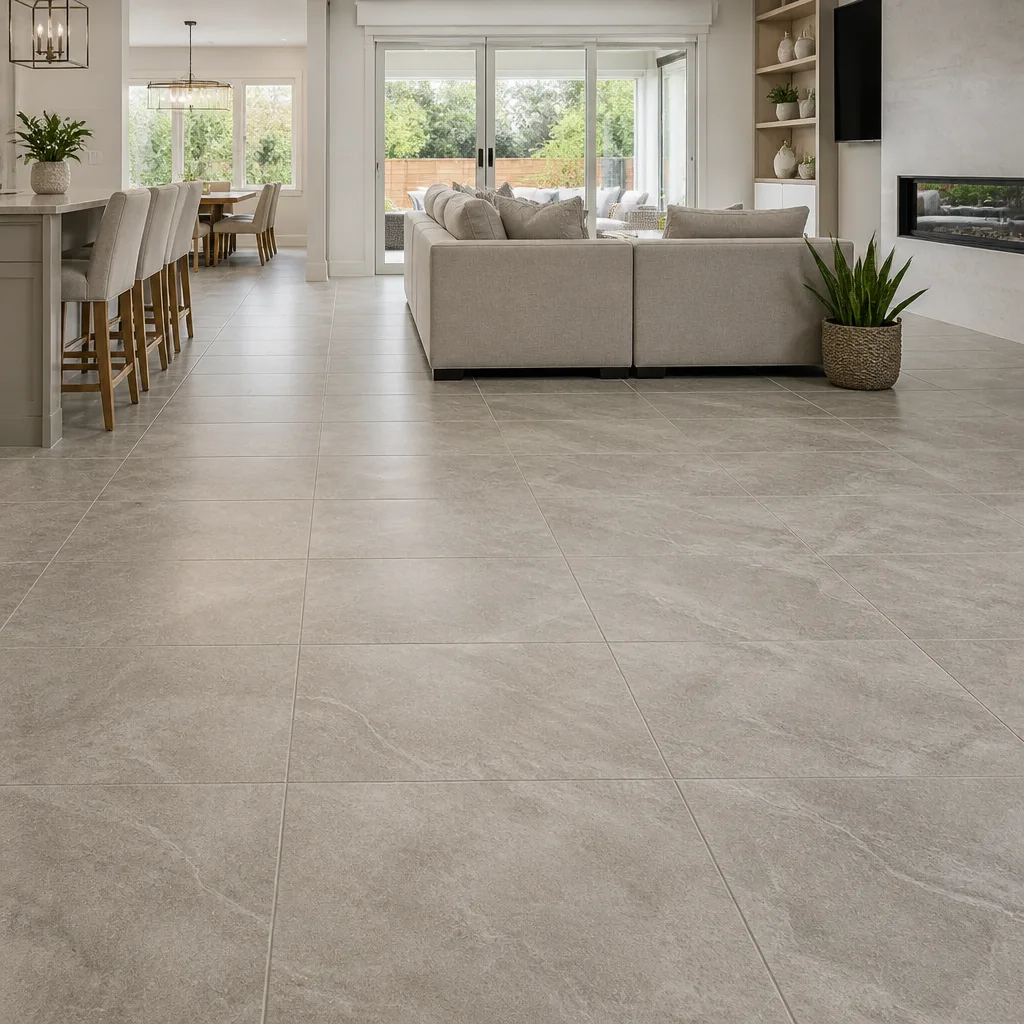 Porcelain tile
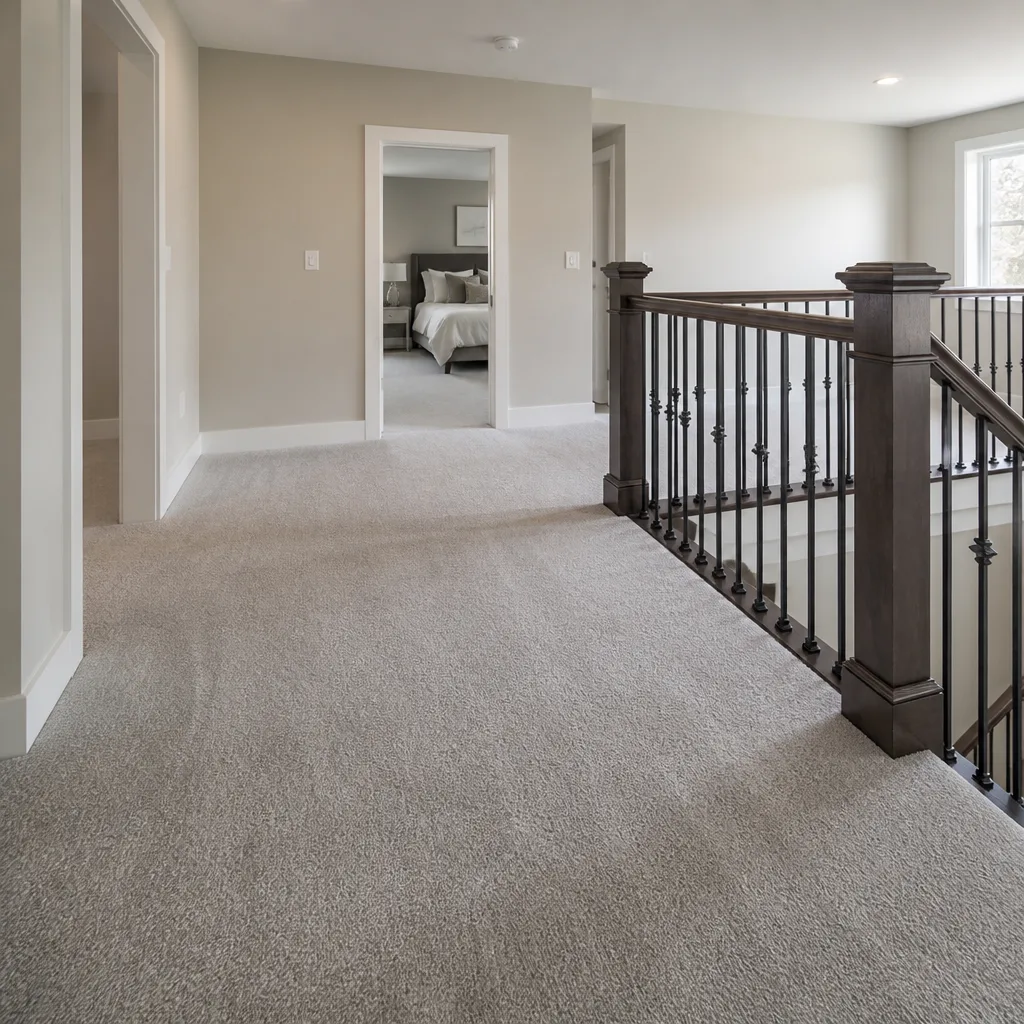 Carpet
 Shaw
 Mohawk
 COREtec
 Pergo
Free in-home measure and written estimate: Shaw, Mohawk, COREtec and Pergo lines compared on your own rooms, with carpet, tile, vinyl plank, laminate and hardwood laid out side by side
Get your free estimateWhat Happens at a Free In-Home Flooring Estimate in Mesquite
If a flooring estimator spends more time showing you sample boards than looking at your actual floor, your subfloor, and the transitions between rooms, you’re sitting through a sales visit, not an estimate. That distinction matters more than most homeowners realize. A showroom conversation can sell you a beautiful luxury vinyl plank, but it can’t tell you whether the slab underneath your kitchen will accept it without a moisture problem showing up six months later. This guide walks through exactly what a genuine in-home estimate should involve in Mesquite, from the measurements and moisture readings to the written scope you should walk away with. By the end, you’ll know what to expect, what to ask, and how to tell a diagnostic session from a pitch.
Quick Answer
A free in-home flooring estimate in Mesquite is a scheduled visit where an estimator measures every room, checks the subfloor and moisture conditions, photographs transitions and problem areas, and discusses material options that fit your home and budget. It should end with a written scope-of-work quote, not a pressure close. The visit is diagnostic first and sales second. You pick the brand. We handle the installation.
Styles & brands we work with
- Hardwood
- Engineered hardwood
- Luxury vinyl plank
- Laminate
- Porcelain tile
- Carpet
- Shaw
- Mohawk
- COREtec
- Pergo
Table of Contents
- What Actually Happens During the Visit
- What a Thorough Estimator Measures, Tests, and Photographs
- Square-Footage Quote vs. Scope-of-Work Quote
- Questions That Reveal Who Actually Installs Your Floor
- What a Curated Sample Presentation Tells You
- Follow-Up Documentation You Should Get in 24 – 48 Hours
- Mesquite-Specific Factors That Affect Your Estimate
- How to Compare Quotes From Multiple Companies
What Actually Happens During the Visit
A proper in-home estimate runs somewhere between 45 minutes and 90 minutes for a typical room refresh, longer for a whole-home renovation. It follows a recognizable rhythm, and once you know it, you can tell within the first fifteen minutes whether the person in your home is diagnosing or selling.
Here’s how a legitimate visit unfolds, step by step:
- Walk-through and listening. The estimator walks the space with you first, before opening any samples. They ask what you dislike about the current floor, how long you plan to stay, which rooms get the most traffic, and whether pets or kids are in the picture. This is where your priorities get set, not the showroom catalog.
- Measurements. Every room that’s in scope gets measured. A careful estimator measures more than length by width: they note doorways, closets, islands, offsets, and any place where a simple rectangle doesn’t fit.
- Subfloor inspection. This is the part big-box quotes often skip. The estimator looks at what’s under the floor you want to replace. Concrete slab, plywood subfloor, or a mix. Any cracks, high spots, low spots, or soft spots. Any signs of past water damage.
- Moisture testing. In a desert climate like Mesquite, the conversation about moisture isn’t about rain coming in, it’s about what’s happening under the slab and how a given material responds to it. This is where real product knowledge matters.
- Transitions and thresholds. The spots where one floor meets another, where carpet meets tile, where a room opens to a hallway: these are the detail points that separate a clean install from a sloppy one.
- Sample presentation. Only after the measuring and testing does the sample discussion start. The conversation should begin with your budget and your priorities, then narrow to specific materials and brands.
- Written quote. At the end, or within a couple of days, you get a written scope. Not a verbal ballpark.
If any of those steps are missing, especially the subfloor inspection and moisture testing, ask why. A flooring estimator who hasn’t looked under the surface of your floor can’t tell you what the job will actually cost. For a broader look at the services behind the estimate, our Flooring Mesquite overview covers the three disciplines we work in: carpet, tile, and hardwood refinishing.
What a Thorough Estimator Measures, Tests, and Photographs
A thorough estimator treats your home like a diagnostic site. Every number and every photo feeds into the quote you’ll receive. Here’s what a careful visit should cover, broken into the three categories that matter.
What should be measured
- Every room’s actual dimensions, not just the largest rectangle. Doorways, closet interiors, appliance cutouts, and offset walls all get measured separately.
- Total square footage with waste factored in. Any install needs some material left over for cuts and pattern matching. The estimator should tell you exactly how much waste is built into the number.
- Wall-to-wall transitions, where flooring changes from one material to another and where trim has to be removed and reinstalled.
- Door swing clearances and thresholds, which affect whether a thicker floor will fit under existing doors without trimming.
What should be tested
- Subfloor moisture readings. This is non-negotiable in Mesquite. Whether you’re over a concrete slab or a wooden subfloor, moisture content drives material selection. A luxury vinyl plank like COREtec or Karndean performs differently over a slab than a solid hardwood does, and the reading tells the estimator which conversation to have.
- Subfloor flatness. Not every floor needs to be perfectly level, but every material has its own tolerance. The estimator checks flatness with a straightedge and notes any high or low spots that need prep work.
- Existing floor condition. If you’re refinishing hardwood, the estimator checks the wood’s thickness and condition to determine whether refinishing is even an option.
- Transition heights. Where a new floor meets an existing one, the subfloor transition has to be measured to avoid a trip hazard.
What should be photographed
- Every room in scope, from at least two angles.
- Any subfloor issue, crack, or suspect spot.
- Every transition point.
- The condition of existing baseboards and trim, since these live or die with the install.
- The moisture meter readout next to the spot where it was taken.
Those photographs aren’t for the sales file. They’re what the installer uses on install day to walk in already knowing what they’re facing. That’s the difference between a scheduled install and a surprise. For carpet jobs, in particular, the carpet installation service page explains how these details feed into the finished job.
Square-Footage Quote vs. Scope-of-Work Quote
A square-footage quote gives you a number: total square feet times a per-foot rate. A scope-of-work quote gives you a document listing every task, every material, and every line item, plus what’s included and what isn’t. Only one of these protects you when the job gets underway, and it isn’t the first.
Here’s why the distinction matters. A per-foot rate sounds clean, but it hides the jobs that decide whether your floor performs. Subfloor prep. Moisture mitigation. Moving furniture. Taking up the old floor. Disposal. Baseboard removal and reinstallation. Trim. Thresholds. If any of those aren’t in the quote, they can appear as add-ons once the crew is in your home, and by then you’re already committed.
A proper scope-of-work quote should include, at minimum:
- Material specification, naming the brand and product (Shaw carpet, Daltile porcelain tile, Karndean luxury vinyl plank, etc.).
- Quantity, with waste built in and clearly stated.
- Installation labor, itemized rather than bundled into a single rate.
- Subfloor preparation, spelled out in detail: how much prep is included, and what triggers additional prep charges.
- Removal and disposal of the existing floor, if applicable.
- Trim and baseboard work.
- Transitions and thresholds.
- Timeline for the install itself, including estimate week.
- Payment terms.
If a quote has a single line for “installation” and one for “materials,” that’s a square-footage quote in disguise. Ask for the itemized version. If the company can’t produce it, that tells you something about how install day will go. You’re not being difficult by asking. You’re doing the one thing that makes a quote comparable to another quote you’re collecting. Our tile flooring installation page shows how this breaks down for tile, where substrate prep is often the deciding factor.
Questions That Reveal Who Actually Installs Your Floor
The quality of your install depends more on the people doing the work than on the brand you choose. A premium product in the hands of a rotating subcontractor can underperform. A mid-tier product installed by someone who’s been working with it for up to 12 years will likely outlast the home. The in-home estimate is the right time to find out who’s showing up.
Ask these questions, and listen carefully to the answers:
- “Who actually installs the floor, and do they work for you directly?” A direct answer beats a hedge. If the company is honest that they use vetted independent installers, that’s fair, as long as they can tell you how those installers are vetted and how quality is checked.
- “Will the same crew that starts the job finish it?” Splitting a multi-day job across different crews is how details get missed.
- “How do you supervise the work?” A dedicated project contact, or a supervisor who’s checking work, matters more than the estimator’s promise.
- “Can you walk me through a job you did in the past year that had a tricky subfloor?” Their answer tells you whether they think in scopes or in pitches.
- “How do you handle a change order if we find something mid-install?” The right answer is a written change order and a conversation, not a surprise invoice.
For the Mesquite flooring market specifically, our team works a defined three-discipline menu: carpet installation, tile installation, and hardwood refinishing. We’re not a general remodeling contractor, and we’re not a warehouse with a rotating bench. That specialization is the point. When an estimator can’t explain the material they’re selling because they sell six other trades too, the estimate is usually thin.
What a Curated Sample Presentation Tells You
There are two ways a flooring company can present samples to you in your home. They can bring a small, curated set of brand options across every major material category, or they can bring the idea of a warehouse with hundreds of SKUs and tell you to pick. The second sounds more impressive. The first is more useful.
Our curated portfolio spans nine brands across the categories that matter for a residential home:
- Luxury vinyl plank: COREtec and Karndean for water-resistant, design-forward options.
- Carpet: Shaw and Mohawk, spanning the price points most homeowners actually choose from.
- Tile: Daltile for porcelain and ceramic, giving dedicated tile sourcing rather than a token SKU.
- Laminate: Pergo and Armstrong.
- Additional depth: Mannington and LifeProof round out the mix.
When a company offers nine curated brands instead of two hundred, that’s a deliberate filter. It means the estimator has actual experience installing each of them, and can tell you which performs better in which application. A brand they don’t stock isn’t wrong, but if you ask a company about a product they’ve installed a hundred times, you get a real answer. If you ask about a brand they’ve never touched, you get a shrug. Nine brands, one contractor, and a real answer to “how does this hold up in a kitchen?” is worth more than a showroom full of options no one can speak to.
Notice the range across price points. Premium lines like Karndean and COREtec sit alongside proven value brands like Pergo, Armstrong, and LifeProof. That range is deliberate: the conversation starts with your budget, not with a single brand tier. Options at every price point, installed to the same standard. If a company’s sample bag only holds one tier, your choices got made for you before they walked in the door.
Mesquite-Specific Factors That Affect Your Estimate
Mesquite sits in the Virgin River valley, and the local conditions shape what a good estimate looks like. The specific things a qualified estimator will raise with you here:
- Slab and moisture. Much of the housing in this area is built on concrete slab. That changes how flooring is prepped and which materials are compatible. Any product installed over a slab needs its moisture situation assessed at the estimate, not after install. Luxury vinyl plank and tile each have their own requirements, and the readings decide which one fits your home.
- Temperature swings. Desert temperature swings between day and night affect how certain materials expand and contract. Sheet vinyl, laminate, and hardwood all behave differently across a Mesquite summer, and an estimator who knows the local climate should be raising this in the sample conversation.
- Home age and prior remodels. Mesquite’s housing stock includes newer builds and homes that have been through a renovation or two. Tile over existing tile. Carpet over plywood. A good estimator investigates before quoting, because the second-floor issues only surface when you start taking the old floor up.
- Whole-home transitions. Many Mesquite homes have an open plan where a kitchen, dining area, and living room flow into one another. Where flooring has to change, the transition has to be planned. It’s not just a threshold strip. It’s a design decision, and it costs money to do right.
This is the reason a showroom quote doesn’t travel well. A showroom can price a floor. It can’t price the fact that your home’s slab reads higher than expected, or that your kitchen-to-hallway transition needs a custom threshold. An in-home estimate sees all of it. You can learn more about how we serve this area specifically on our Mesquite page.
Follow-Up Documentation You Should Get in 24 – 48 Hours
The estimate isn’t finished when the estimator leaves your home. It’s finished when you have the written documentation in your hands. Here’s what you should receive within 24 to 48 hours, and why each piece matters:
- A written scope-of-work quote. Itemized, as described above. Every material, every labor task, every prep step.
- A product specification sheet. The exact brand, product line, and color or SKU you discussed. This is what prevents “we substituted a comparable option” surprises on install day.
- Photos of any subfloor or transition issues. Attached to the quote so you can see what was flagged.
- An estimated timeline. Not a commitment to a specific start day, but a range for how long the install itself will take once scheduled.
- Clear payment terms and a written scope-change policy. What happens if something is discovered mid-install.
If the company only sends a text message with a total dollar figure, that’s not documentation. It’s a number. You can’t compare a number against another number without knowing what’s inside each.
If the estimate is for hardwood refinishing, the documentation should also say whether the wood’s thickness and condition were checked at the visit, and that the final call on whether refinishing is right for your floor happens in person. Not every floor can be refinished. A company that guarantees refinishing over the phone is guessing.
How to Compare Quotes From Multiple Companies
Collecting three estimates is smart. Comparing them badly is just as unhelpful as collecting one. Here’s how to make the comparison useful.
First, line up the scopes side by side. Do all three include subfloor prep? Do all three include removal and disposal? Do all three include trim? If one quote leaves out subfloor prep, it’s not a lower price. It’s a lower scope, and that gap becomes a change order. Adjust the comparison accordingly.
Second, check the material spec line. Compare brand against brand, product line against product line. A quote for a premium brand’s lower tier and a quote for a mid-tier brand’s premium line may sit at the same price. You need to know which you’re comparing.
Third, check who’s installing. If one company uses vetted independent installers and the other doesn’t say, that’s a question to raise, not a discount to accept.
Fourth, look at the timeline. Long lead times or “we’ll fit you in” commitments deserve scrutiny. So do company policies around scheduling. A realistic schedule confirmed at the estimate is worth more than a date promised on the phone and moved twice.
Finally, read for what’s excluded. Anything not on the quote is a future add-on. If a scope of work is clear about exclusions, that’s actually a good sign: they know what they’re doing.
Common Mistakes to Avoid
- Accepting a quote before the subfloor has been inspected. If a company called this an “estimate” without checking under your current floor, it was a sales call with a price tag. Ask them to come back and do the diagnostic part.
- Comparing totals without comparing scopes. A lower total with subfloor prep excluded isn’t lower. It’s incomplete, and the missing work becomes a change order.
- Choosing a brand before hearing how it performs in your home. Shaw, Mohawk, COREtec, and Daltile all have strong options, but the right one depends on your room type, subfloor moisture, and traffic. The estimate should drive the brand choice, not the reverse.
- Skipping the transitions and trim conversation. In Mesquite homes with open floor plans, transitions are where the budget goes off the rails. They need to be on the quote, not discovered on install day.
- Not asking who installs the floor. The brand name on the box doesn’t install itself. The people doing the work decide the outcome. Ask, and listen.
- Letting a verbal ballpark stand in for a written scope. Numbers change. Written numbers with itemization are what you hold a company to.
- Ignoring hardwood refinishing as an option. If your current floor is hardwood instead of beyond repair, refinishing can preserve a floor you already own instead of replacing it. Ask at the estimate whether it’s an option for your home, and hear the honest answer if it isn’t.
See the difference
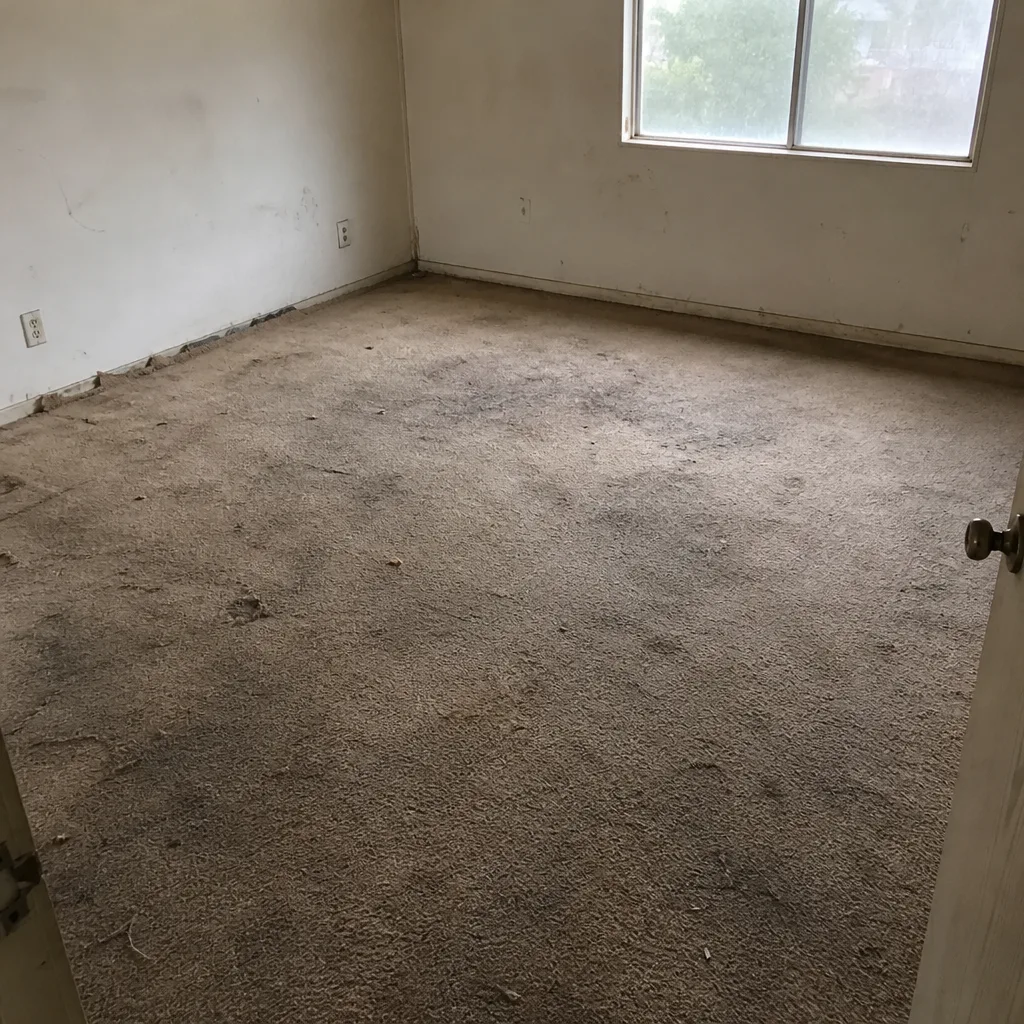 Before
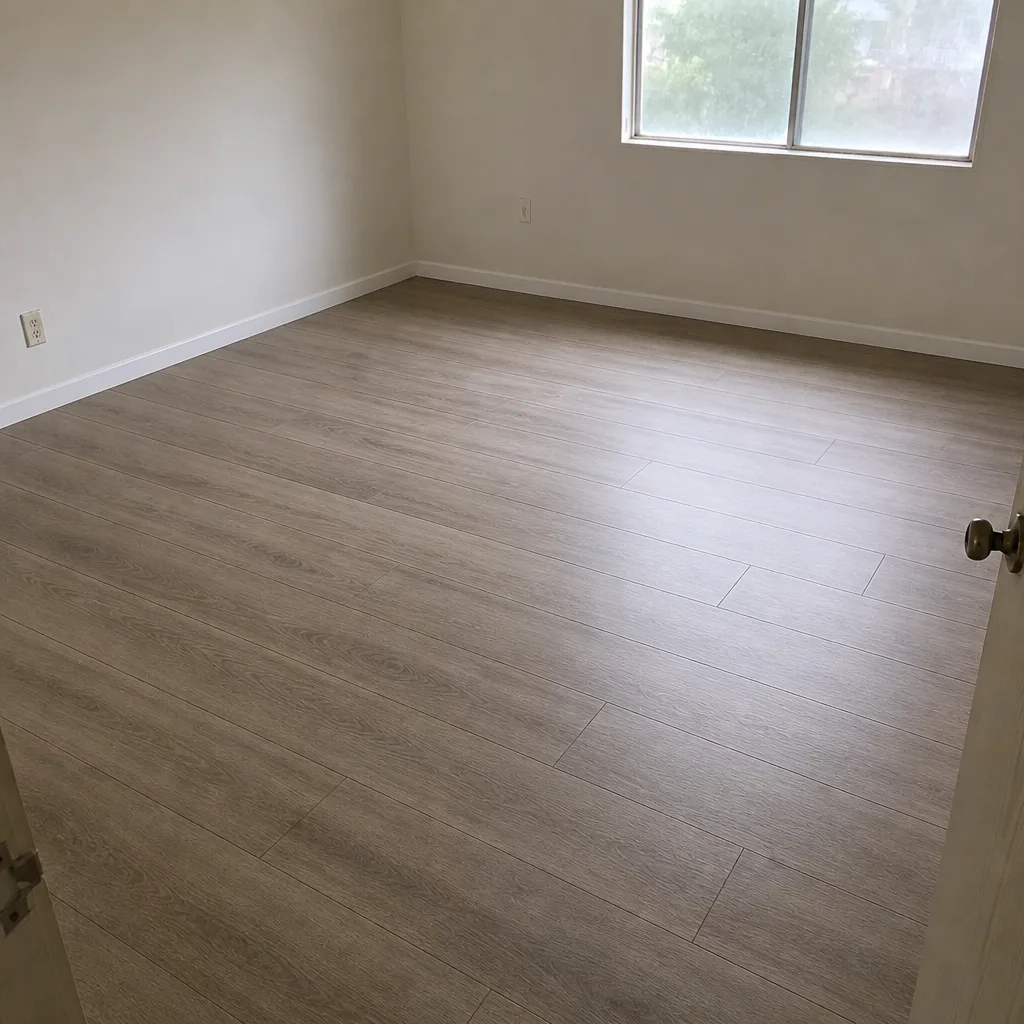 After
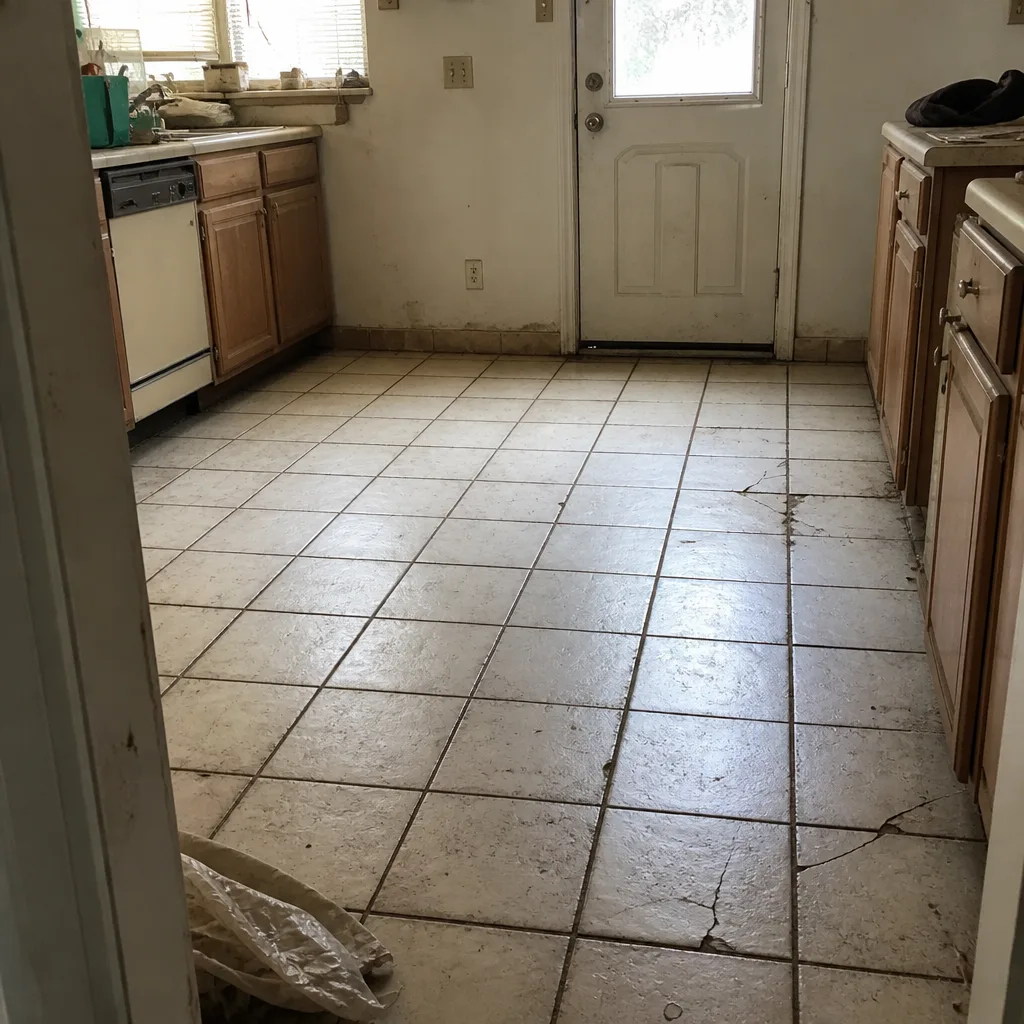 Before
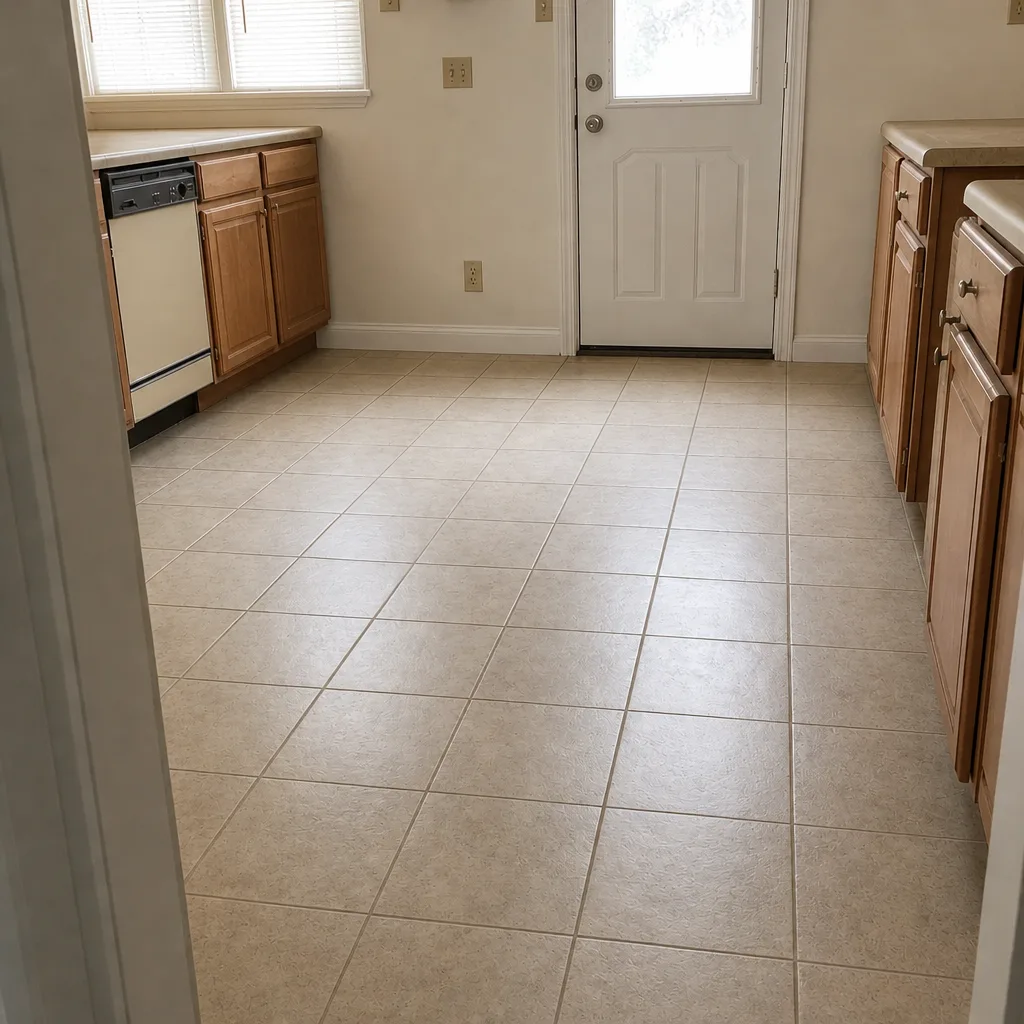 After
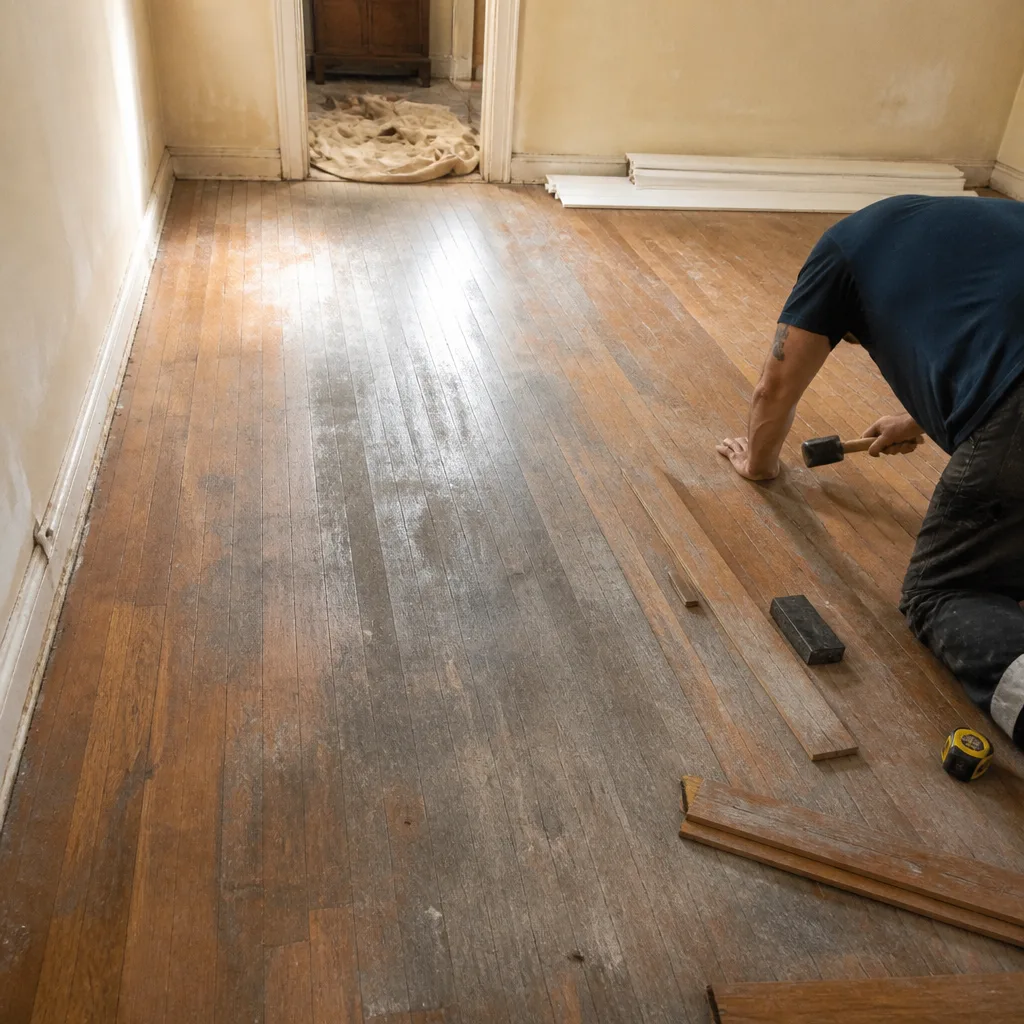 Before
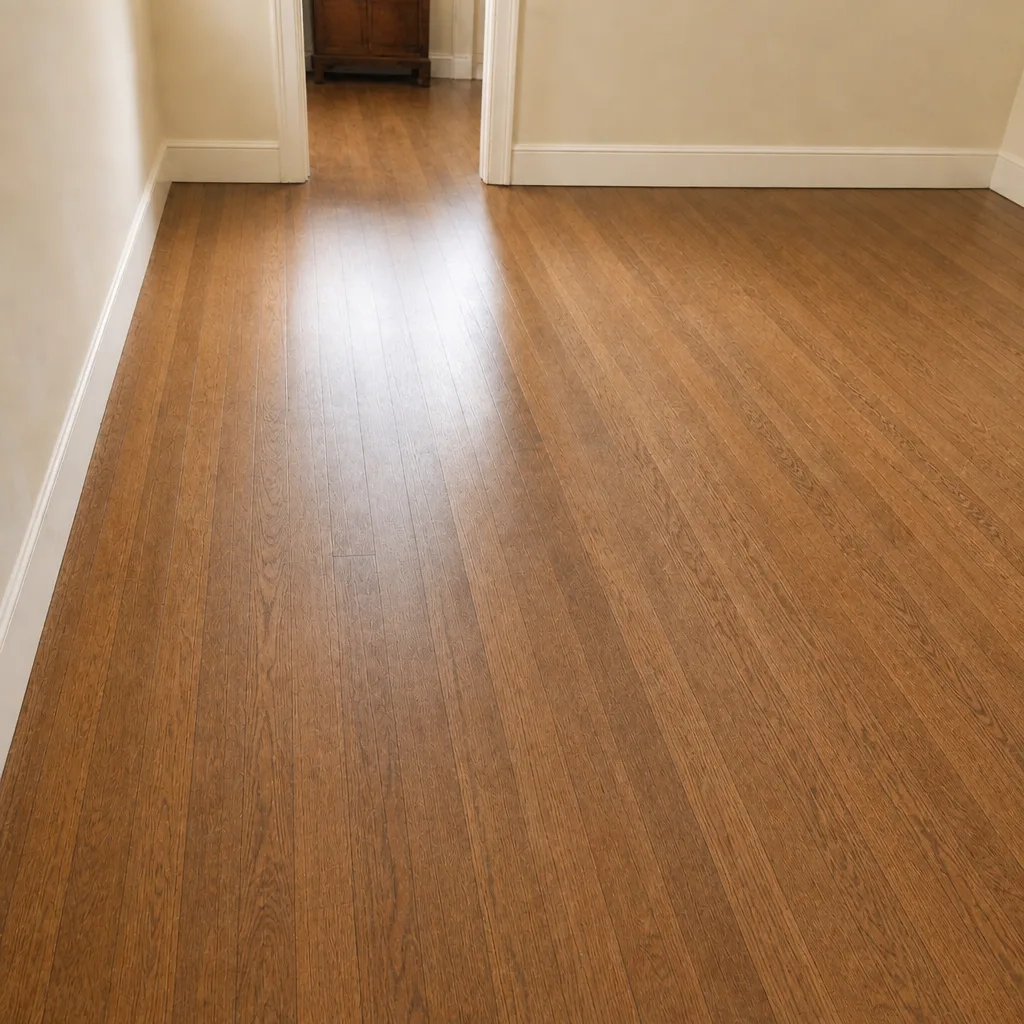 After
When to Call a Professional
Not every flooring job needs a full estimate. Small repairs and single-room scenarios sometimes skip a comprehensive diagnostic visit. But several situations call for a professional assessment even before you decide to install. If your floor is soft or buckling underfoot, that’s often a subfloor issue, and it needs to be diagnosed by someone who knows what to look for. If you’re considering a whole-home renovation, an in-home estimate is the only way to price it accurately. If you have hardwood you’re considering refinishing instead of replacing, an in-person inspection tells you whether the wood can take it. And if you’re weighing luxury vinyl plank against tile for a kitchen, bathroom, or other moisture-prone room, the moisture readings and transition planning matter enough to get a proper site visit.
Flooring Mesquite offers free estimates in Mesquite. Call (844) 560-4155 to schedule yours. We answer 24/7. Fast dispatch from 7am to 7pm, Sunday through Friday. Our technicians have up to 12 years of experience, and our estimate is diagnostic first, so you walk away with a scope you can compare against anyone else’s.
Frequently Asked Questions
An in-home flooring estimate from us is free, and the final price is set per job by the written estimate after the visit. There’s no charge for the estimator showing up and running the diagnostics. Call (844) 560-4155 for an exact quote. Estimates are free.
Most visits run 45 to 90 minutes for a room refresh, and longer for a whole-home project. The time depends on how many rooms are in scope, whether a subfloor inspection is involved, and how much of the sample conversation you want to have in person. You won’t be rushed through it.
Yes, and that’s often the best time to call. The measurements and subfloor readings are material-agnostic. We can measure the space and walk through the brands that fit your home and budget afterward, without committing to a product before you’ve seen the readings.
Nothing special. Clear floor access in the rooms you want measured, mention any known water issues or past flooring problems, and have a rough idea of your budget in mind. If you’ve already done brand research, bring it. That helps us move faster to the right options.
A free estimate includes measurements, subfloor inspection, moisture testing, and a written scope. A free consultation is just conversation, usually about materials. Ours is an estimate in the full sense, with the diagnostic work included.
Yes. Hardwood refinishing is a dedicated service, not a bolt-on to installation. The estimator will check your wood’s thickness and condition at the visit to determine whether refinishing is realistic for your floor. If it isn’t, we’ll say so.
The Bottom Line
A free in-home flooring estimate in Mesquite should be a diagnostic visit, not a sales presentation. Expect measurements, subfloor moisture testing, transition planning, photographs of anything flagged, and a written scope of work in your hands within 24 to 48 hours. The brand conversation starts after the readings, not before, and the estimator should be able to answer real questions about who’s installing the floor. When you get that, you’re comparing apples to apples. When you don’t, you’re comparing two prices that aren’t telling you the same story. Call (844) 560-4155 to schedule a free estimate. We answer 24/7. Fast dispatch from 7am to 7pm, Sunday through Friday. Nine brands, one contractor, and a scope you can actually compare.
Written by the team at Flooring Mesquite.