
Last updated November 17, 2026
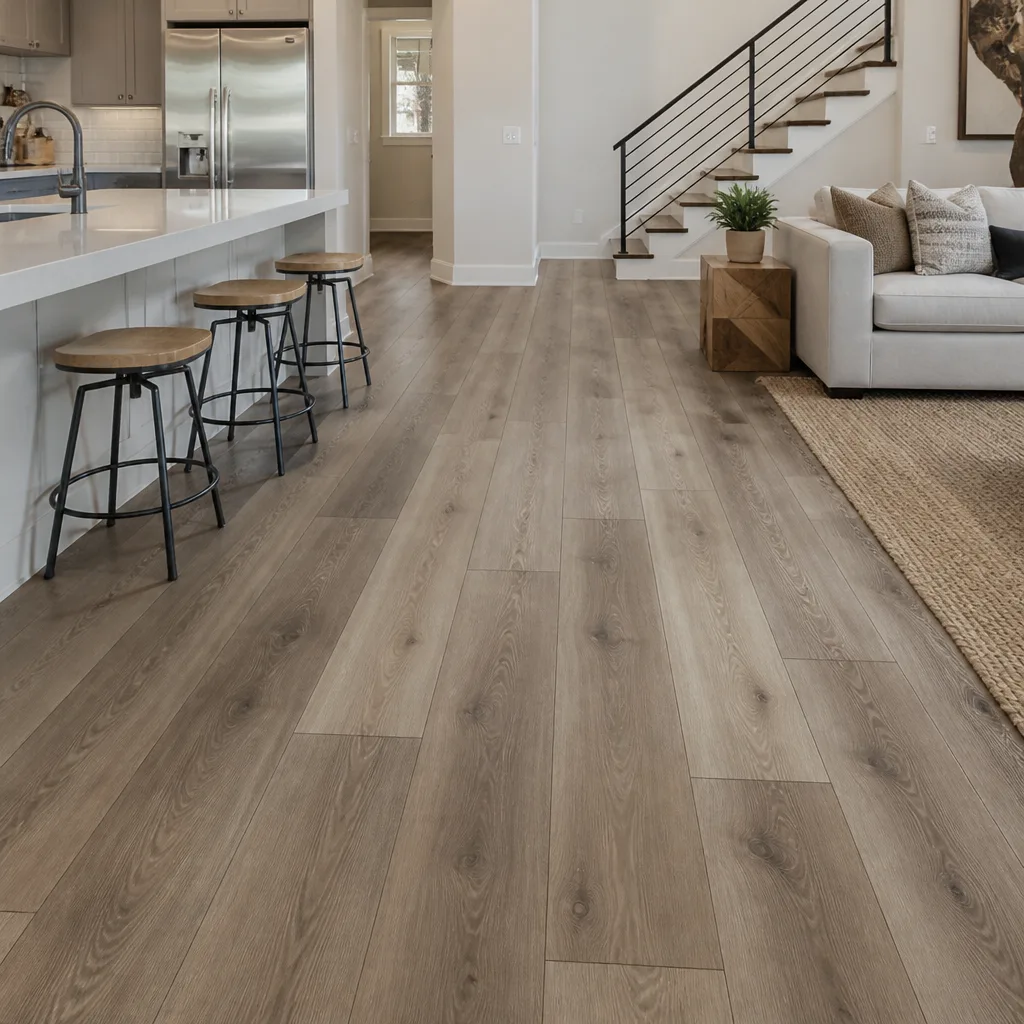 Luxury vinyl plank
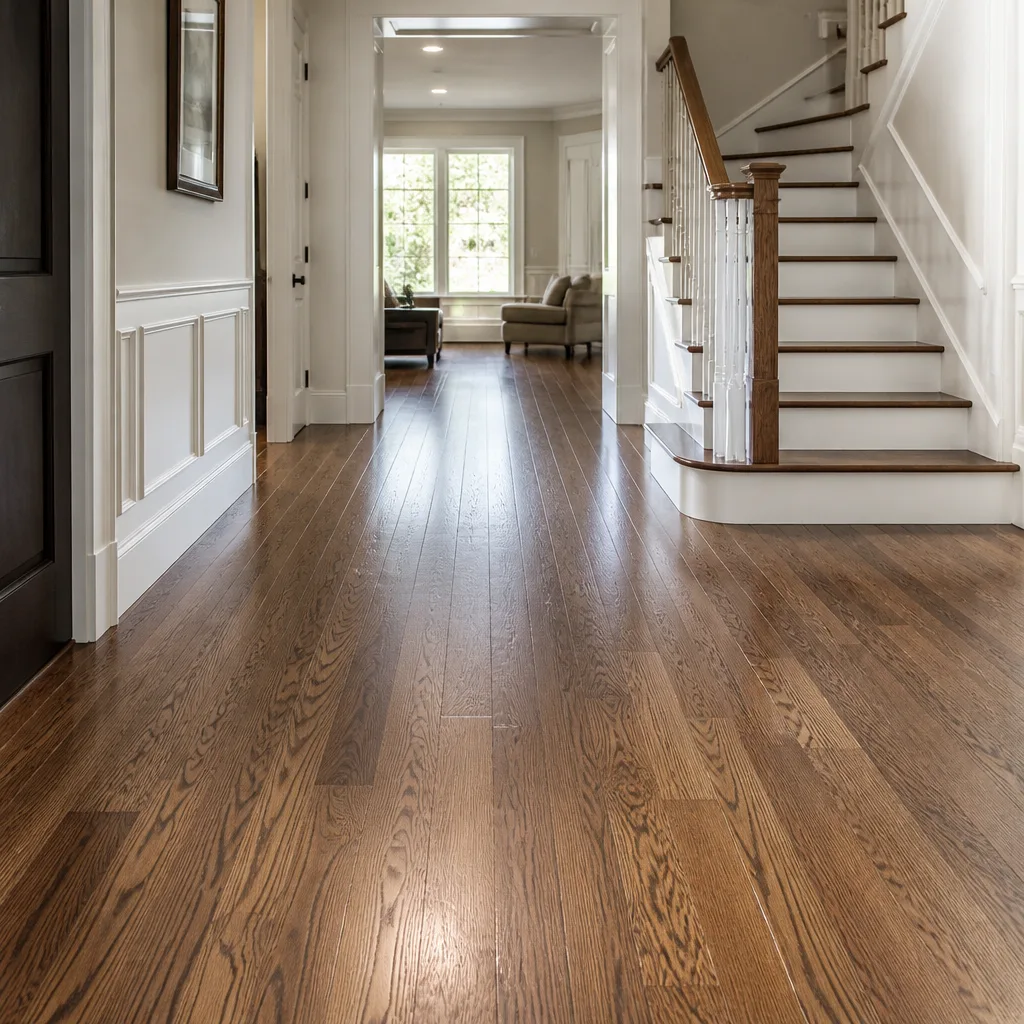 Hardwood
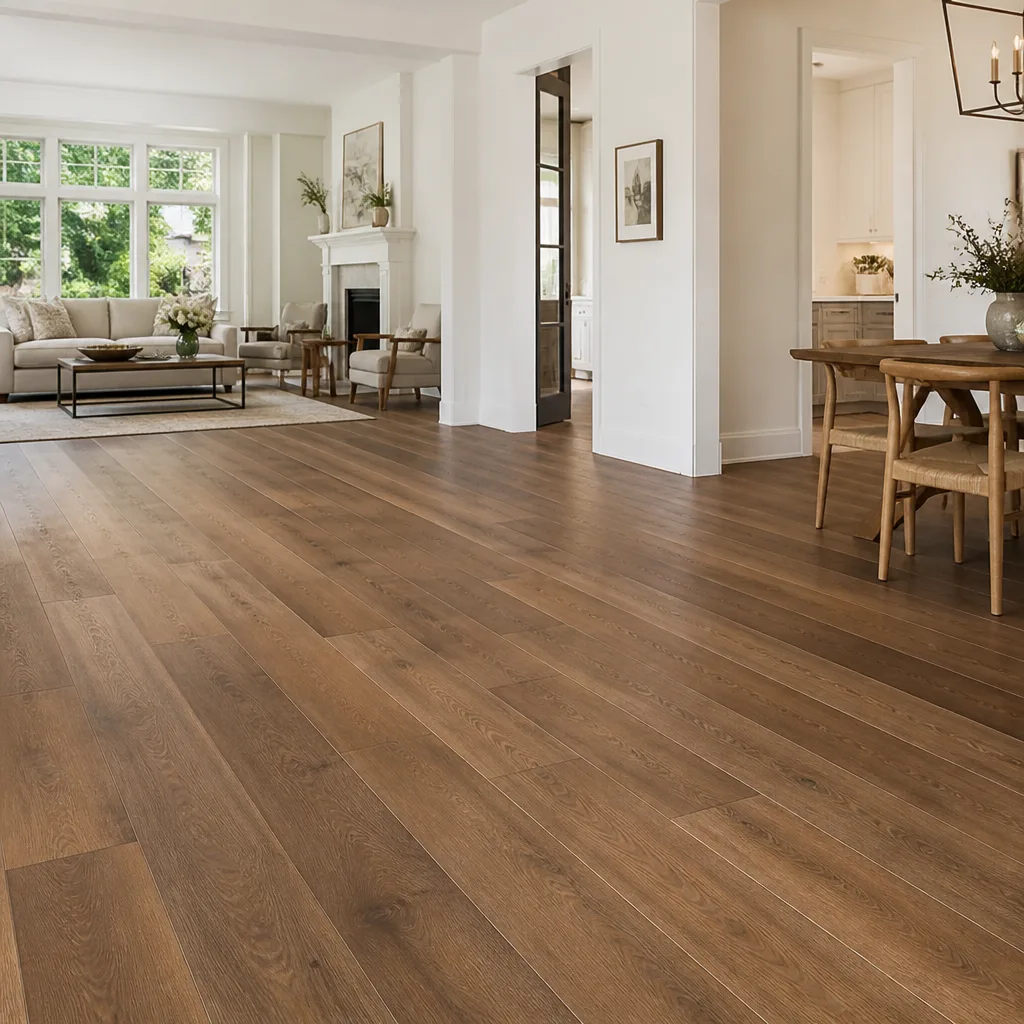 Engineered hardwood
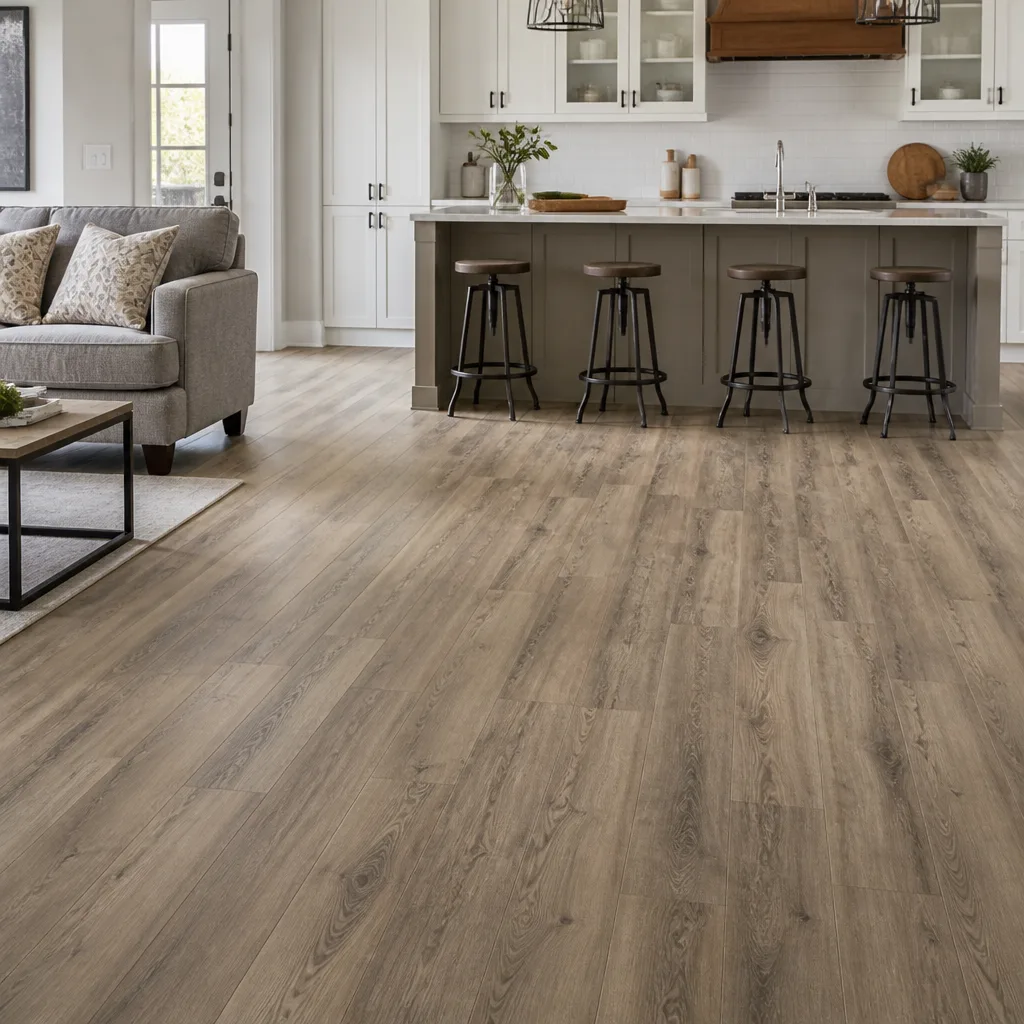 Laminate
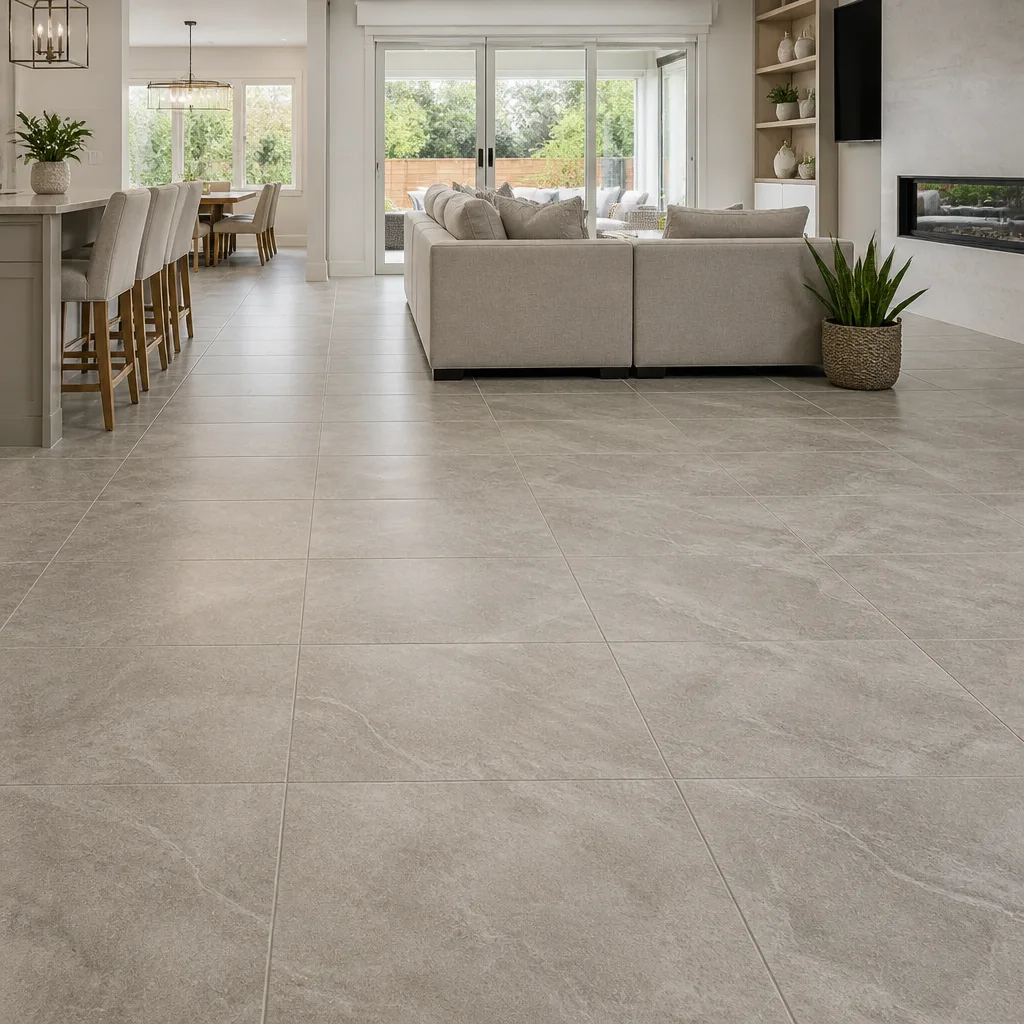 Porcelain tile
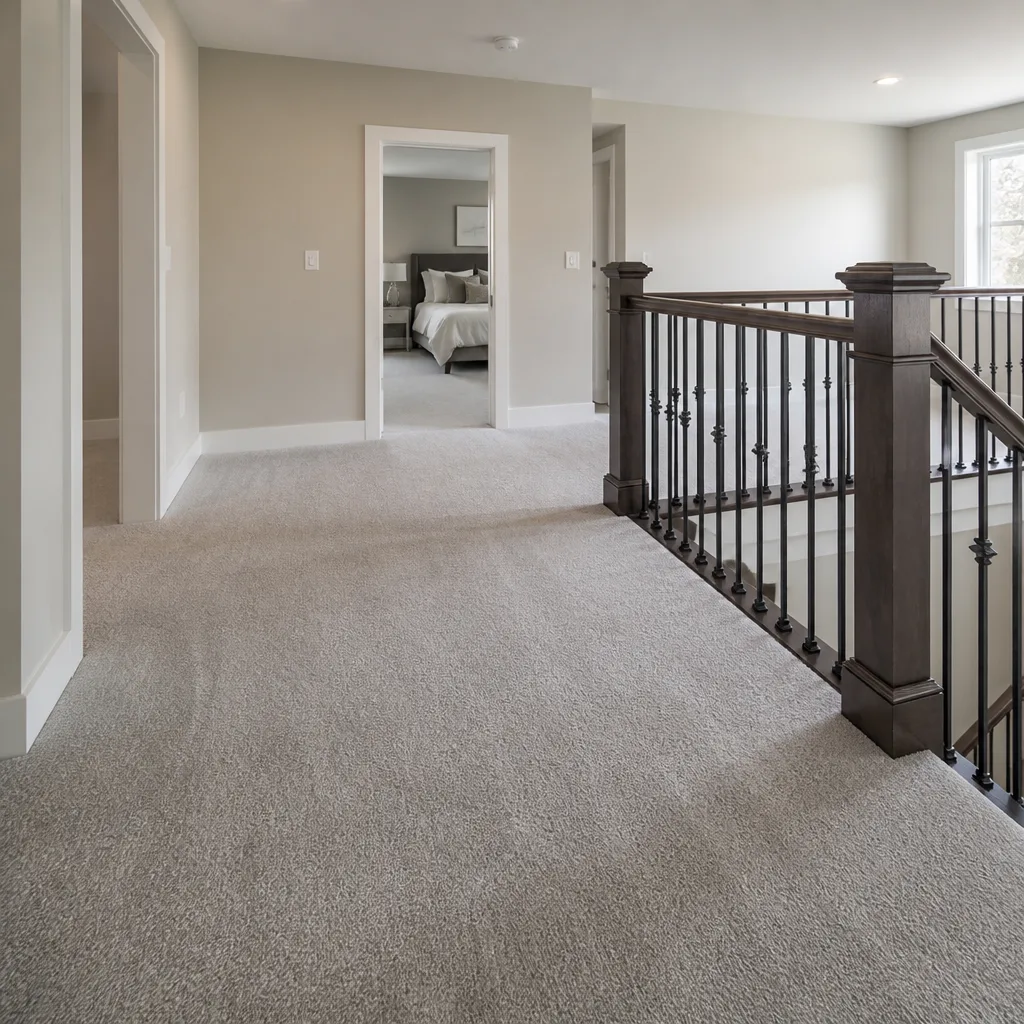 Carpet
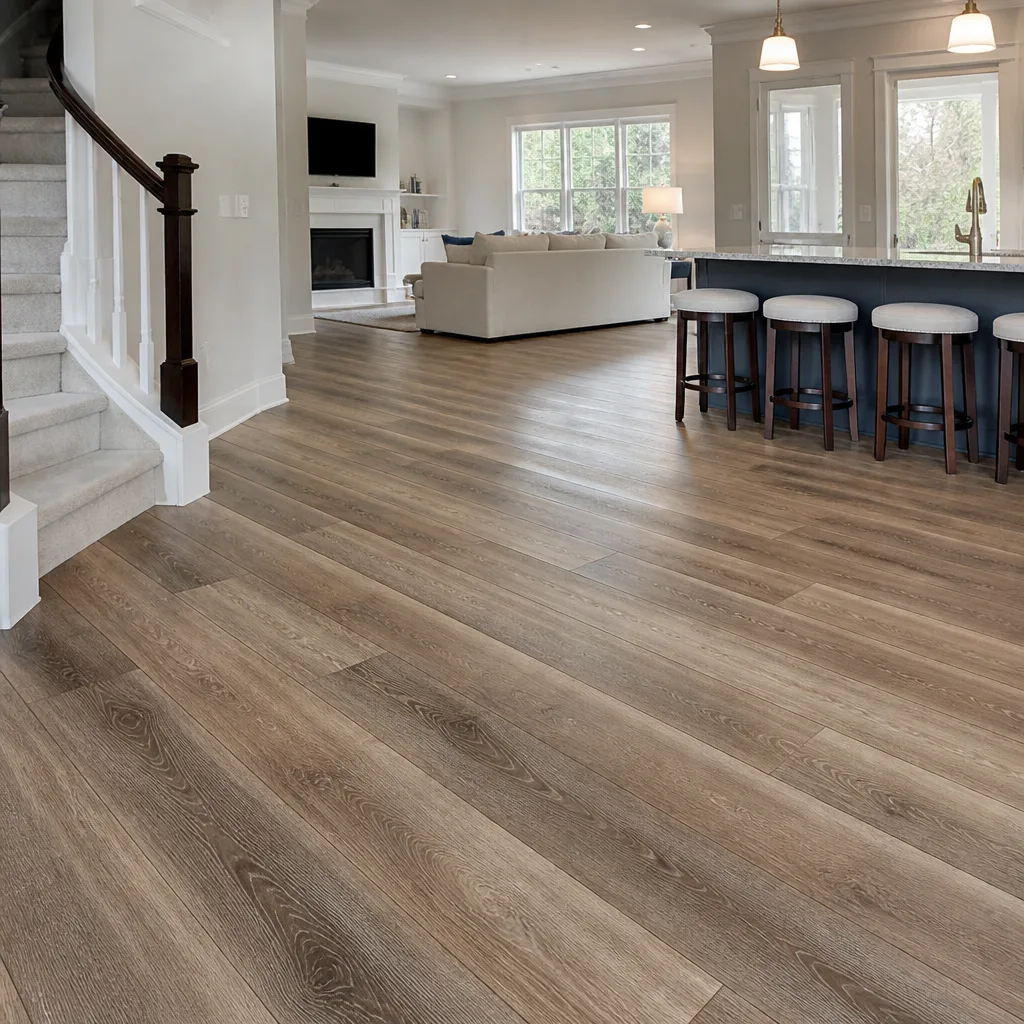 Shaw
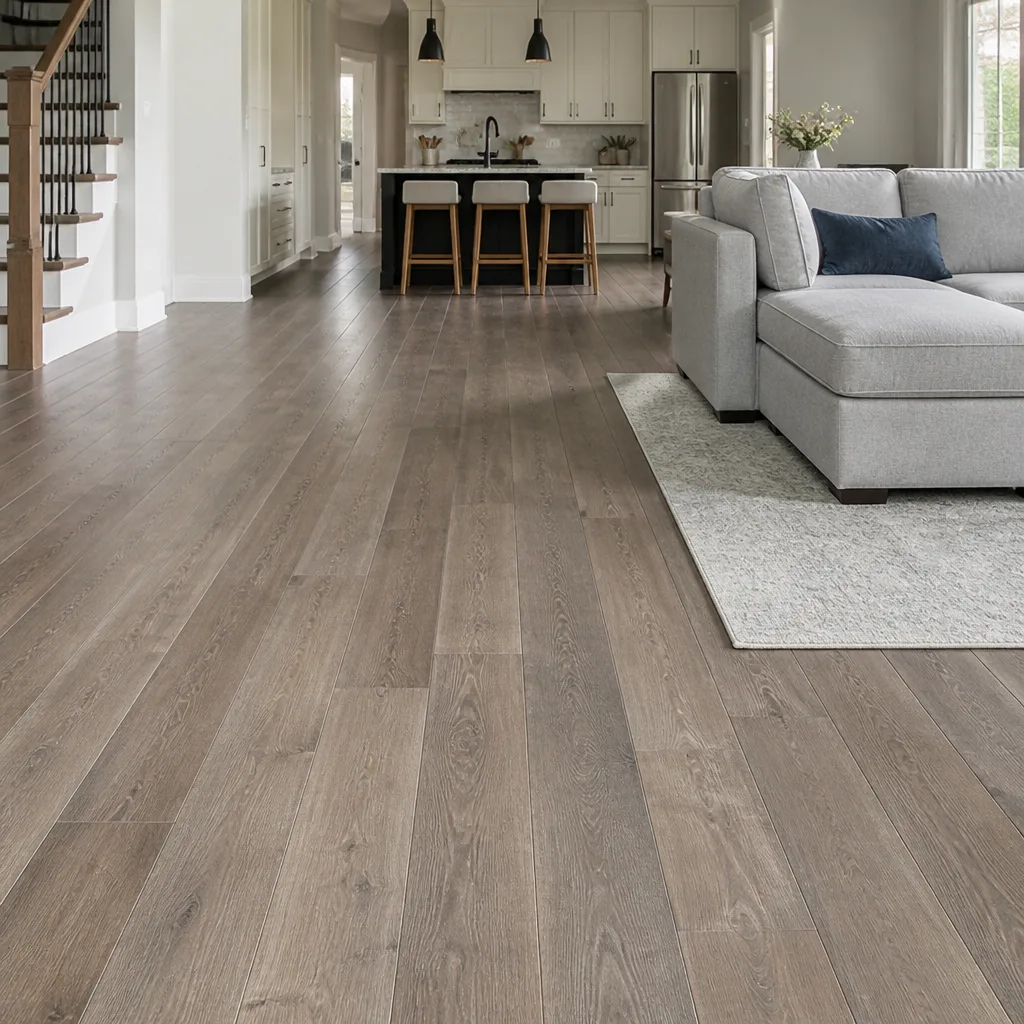 Mohawk
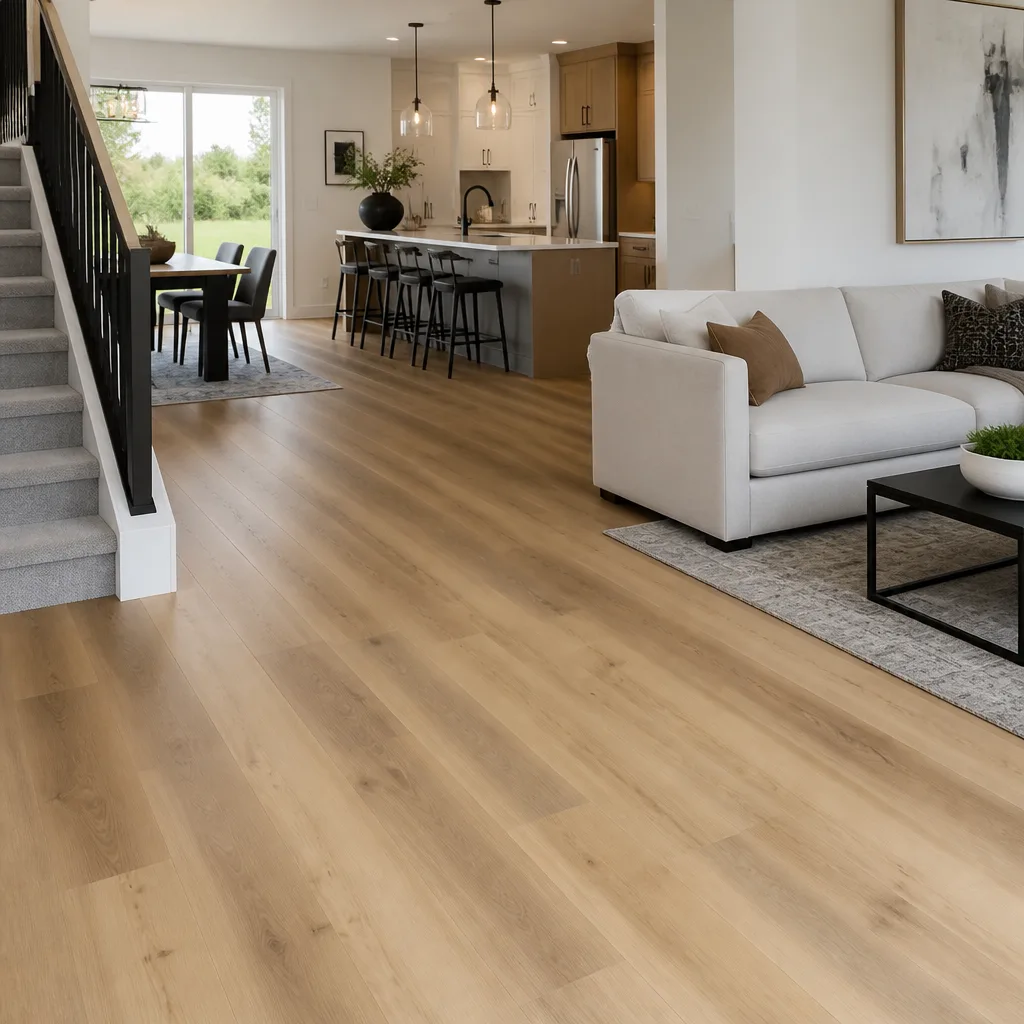 COREtec
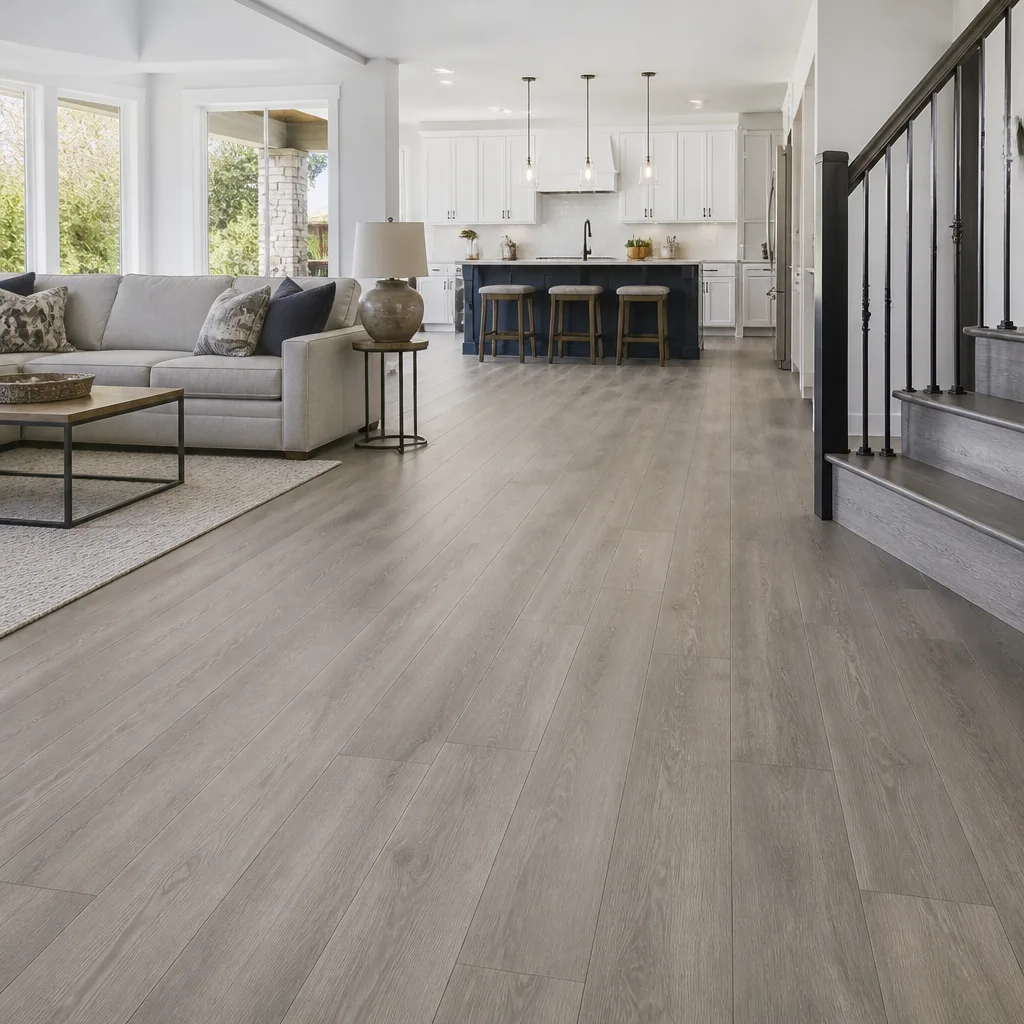 Pergo
Free in-home measure and written estimate: Shaw, Mohawk, COREtec and Pergo lines compared on your own rooms, with carpet, tile, vinyl plank, laminate and hardwood laid out side by side
Get your free estimateHardwood, Vinyl Plank, Laminate or Tile: How Mesquite Homeowners Decide
Solid hardwood flooring can gap, crack, or cup in a Mesquite home that lacks consistent humidity control – not because the product is bad, but because nobody told the homeowner what their HVAC system needed to do after install. That’s the part of the flooring conversation most people never hear. The hardwood-versus-vinyl-plank debate usually gets framed around price per square foot, and price is the least interesting variable in a desert climate. What actually determines which floor survives and which floor fights you for twenty years is dimensional stability: how a material responds to Mesquite’s 20-30% average relative humidity, high summer temperatures, and whatever your heating and cooling system is or isn’t doing. This guide replaces the pros-and-cons table with a decision framework you can actually use. We’ll cover how each category performs here, how subfloor type and pets and HVAC consistency reshape the answer, and how to time your choice against how long you plan to keep the house.
Quick Answer
In Mesquite, the right floor depends less on budget than on three things: your subfloor (slab or wood), how consistently your home holds humidity, and how long you plan to own the house. For most slab homes with average HVAC habits, luxury vinyl plank or porcelain tile wins on stability and water resistance; engineered hardwood suits homeowners who want real wood and will manage indoor humidity; solid hardwood is best reserved for wood-subfloor homes with steady climate control and a long ownership horizon. Laminate is a solid middle option where moisture from below isn’t a concern.
Styles & brands we work with
- Hardwood
- Engineered hardwood
- Luxury vinyl plank
- Laminate
- Porcelain tile
- Carpet
- Shaw
- Mohawk
- COREtec
- Pergo
Table of Contents
- Why Dimensional Stability Decides Everything in Mesquite
- How Each Floor Reacts to Mesquite’s 20-30% Humidity
- Budget vs. Premium Luxury Vinyl Plank: What the Core Actually Does
- Engineered vs. Solid Hardwood: When Each One Wins Here
- Refinishing: The Option Homeowners Forget
- How Resale Value Breaks Down by Material in the Mesquite Market
- Your Decision Matrix: Subfloor, Pets, HVAC, Ownership Horizon
- What Installation Looks Like, Step by Step
Why Dimensional Stability Decides Everything in Mesquite
Wood moves. That’s not a defect, it’s a material property, and every flooring decision in a dry climate starts there. Wood absorbs moisture from the air and releases it back; as moisture content rises, boards swell, and as it falls, they shrink. In a humid climate the swings are modest and slow. In Mesquite, where average relative humidity sits in the 20-30% range and summer air can hold almost nothing, the swings can be fast and wide, especially between a conditioned living space and an unconditioned one.
Here’s what that means in practice. A solid hardwood floor installed during a humid stretch and then subjected to a dry, air-conditioned summer will shrink at the seams. You get gapping. A floor installed dry and then exposed to a plumbing leak or a monsoon-season humidity spike can cup at the edges or crown in the middle. Neither outcome means the wood was cheap. It means the indoor environment moved more than the wood could accommodate without proper acclimation and ongoing humidity management.
The other desert-specific variable is heat. Direct sun through a west-facing window can raise the surface temperature of any floor dramatically, and materials respond differently. Tile barely notices. Luxury vinyl plank with a cheap core can soften and telegraph every imperfection in the slab beneath it. Laminate can expand against its expansion gaps. Hardwood can cup at the sun-exposed edges. We’ve seen all of these in Mesquite homes where the floor itself was fine and the environment around it wasn’t controlled.
So the framework isn’t “which floor is best.” It’s “which floor matches the environment this house will actually have.” A homeowner who runs the HVAC steady and keeps interior humidity reasonably stable can choose from the widest range of materials. A homeowner who travels for weeks at a time and lets the house swing between conditioned and not has a much narrower practical list.
How Each Floor Reacts to Mesquite’s 20-30% Humidity
This is the section most flooring guides skip, because most flooring guides are written for a generic national audience. Mesquite’s low humidity is the single most important local fact for your floor choice, and each category responds to it differently.
Solid Hardwood
Solid hardwood is the most humidity-sensitive option. It’s a single thickness of real wood, so the whole board expands and contracts with moisture. In a home that holds steady indoor humidity, it’s stable and it can be sanded and refinished multiple times over its life. In a home that swings, it will show you: gaps in the dry season, cupping after a moisture event. The floor is not failing. It’s doing what wood does. Whether that’s acceptable to you is a lifestyle question, not a product-quality question.
Engineered Hardwood
Engineered hardwood is a real wood wear layer bonded to a plywood or composite core, and the cross-layered construction limits how much the whole plank can move. That makes it more dimensionally stable than solid wood, which is why it’s often the better hardwood choice in Mesquite. You still get a genuine wood surface that can typically be refinished at least once, depending on wear-layer thickness. It still prefers consistent indoor humidity. But it tolerates the swings better than a solid board does.
Luxury Vinyl Plank
Luxury vinyl plank is a synthetic product and doesn’t absorb moisture, so interior humidity swings barely affect it. That’s its main advantage in this climate. What does affect it is heat and the flatness of what’s underneath. A thin, budget-grade core can soften under intense direct sun and will mirror every dip and rise in the slab. A denser premium core holds its shape better. Luxury vinyl plank is water-resistant, not waterproof in the sense of tolerating standing water or moisture pushing up from below – a slab with a moisture problem still has to be dealt with before any plank goes down.
Laminate
Laminate is a fiberboard core with a photographic wear layer on top. It’s dimensionally stable in dry interior air, resists everyday spills, and handles sun better than a soft vinyl core. But the core is wood-based, so standing water and moisture from below are real risks, and it needs proper expansion gaps at the walls or it will tent in the middle of the room. In a Mesquite home with a dry, well-sealed slab, laminate is a sensible middle choice.
Porcelain and Ceramic Tile
Tile is the least humidity-sensitive floor you can install. It doesn’t expand, it doesn’t shrink, and it doesn’t care what the hygrometer says. Its vulnerabilities are different: it’s hard and cold underfoot, it can crack if the subfloor deflects, and grout lines need sealing in a dusty environment. For kitchens, baths, entries, and any room where moisture shows up uninvited, porcelain tile is the most forgiving choice in a Mesquite house.
Budget vs. Premium Luxury Vinyl Plank: What the Core Actually Does
The luxury vinyl plank category has a wide quality range, and the differences that matter in Nevada heat are almost all in the core. Two planks can look identical in a display and behave nothing alike in a room with a west-facing window. Understanding what you’re buying at each tier is how you avoid paying premium prices for a budget product, or the reverse.
Budget LVP typically uses a thinner, less dense core, a thinner wear layer, and a simpler locking system. It performs fine in a shaded bedroom under normal conditions. In a room that gets direct, hot afternoon sun, a thin core can soften enough to telegraph subfloor imperfections and, in extreme cases, to feel less solid underfoot. This isn’t a knock on the entire category – it’s a warning about choosing the right tier for the right room.
Premium LVP uses a denser, more rigid core – often a rigid-core or mineral-composite construction – and a thicker wear layer, which gives it more resistance to heat and to impact. When we source premium lines like COREtec or Karndean, that’s what the extra cost is buying: a core that holds its shape under desert sun and a surface that resists scuffing in a busy household. If the room with the big window is going to be your living room, that tier difference earns its price.
Three practical rules for choosing LVP in Mesquite:
- Match the core density to the sun exposure. Rooms with little direct sun can handle a mid-tier core. Rooms with big south or west windows are worth the upgrade.
- Check the subfloor before choosing the plank. A slab with visible high spots will telegraph through a soft core no matter what the label says. Leveling is part of the installation, not an upsell.
- Ask what’s under the floor. Plank over a concrete slab with a moisture issue is a problem waiting to surface. That gets checked and addressed, and the product instructions and written estimate govern the fix.
For homeowners who want a specific look – the kind that design-focused lines like Karndean do well – the premium tier also delivers on pattern realism and plank variation. That’s a design consideration, not a durability one, but it’s worth naming.
Engineered vs. Solid Hardwood: When Each One Wins Here
Engineered hardwood is the better starting point in most Mesquite homes. Its cross-layered core resists the expansion and contraction that solid wood can’t fully control, so it holds up better to the humidity swings this climate produces. That said, engineered isn’t always the right answer, and there are specific situations where solid wood still wins.
When Engineered Hardwood Wins
- Your home sits on a concrete slab, which is common in Mesquite construction. Engineered hardwood is typically glued down or floated over a slab; solid wood generally isn’t practical there.
- Your HVAC runs inconsistently – long stretches away, big temperature swings between rooms. Engineered handles that better.
- You want real wood but the room is over a basement or crawlspace with moisture present. Engineering gives more tolerance.
- You have pets or kids and want a wood look that stays flatter and needs fewer touch-ups.
When Solid Hardwood Wins
- Your subfloor is wood and your home holds steady indoor humidity year-round.
- You plan to stay in the home long-term and want a floor that can be sanded and refinished more than once.
- You want the feel and sound of a true solid board underfoot and you’re willing to manage humidity as part of owning it.
The key point is that “solid is better” is not a universal truth. Solid hardwood is the premium floor in the abstract, but in a Mesquite home with a slab and average humidity control, engineered hardwood often performs better over time. The right answer comes out at the estimate visit, when the subfloor, the home’s condition, and your usage patterns are all in view at once.
Refinishing: The Option Homeowners Forget
Before you buy anything new, it’s worth asking whether the wood floor under your feet can be refinished instead. Refinishing is a distinct service from installation – we offer it as a standalone option, and it’s the decision most big-box flooring departments simply don’t present. When it’s viable, it’s often a better outcome than pulling the floor and replacing it.
Refinishing means sanding the existing wood surface back, repairing what needs repair, and applying a new stain and finish. It restores the floor you already have and preserves the character of the original material. That’s a different thing from pouring a new floor over the top. If you have wood plank flooring in a Mesquite home that’s faded, worn at the entry, or the wrong color for the room, refinishing is the first question, not the last.
Not every floor can be refinished. Whether yours can depends on the thickness of the wood and its current condition. A solid plank floor that’s been sanded once or twice still has material to work with. A thin engineered wear layer may not. The only way to know is to have the floor inspected at the estimate visit – thickness and condition get checked before we quote anything.
Two signs refinishing is worth exploring:
- The wood is worn or faded but the boards are flat and sound. That’s a refinishing candidate, not a replacement one.
- You want a different color, but you like the floor’s real wood character. Stain and finish can change the look without replacing the material.
Two signs it may not be:
- The floor is cupped, gapped, or has sections of significant moisture damage. Refinishing can only do so much when the boards have moved.
- The wear layer is too thin to sand. That’s a replacement conversation, and the estimate visit will tell you so.
How Resale Value Breaks Down by Material in the Mesquite Market
Flooring affects resale, but not in the way the averages you read online suggest. National resale-value figures blend every climate and every housing market together, so they mostly tell you that nice floors help. Here’s how it breaks down in a Mesquite context, where buyers see plenty of tile, plenty of concrete-slab construction, and plenty of desert sun.
Tile
Tile is the expected floor for kitchens, baths, entries, and other wet rooms. Buyers in a desert market don’t see tile as a luxury; they see it as correct. It reads as durable, cool, and appropriate to the climate. A tile floor that’s properly laid and clean supports a home’s value without adding a premium.
Luxury Vinyl Plank
Luxury vinyl plank has become the default upgrade in the Mesquite market because it delivers the look of wood at a lower tier and holds up to desert conditions. Buyers recognize premium lines like COREtec and Karndean when they see them, and the plank reads as an update rather than a builder default. In a resale situation, LVP in the main living spaces is a genuine plus – not a premium, but a clear upgrade over worn carpet.
Hardwood
Real hardwood, engineered or solid, is the floor buyers respond to most in a home at higher price points. It reads as quality because it is quality. But whether it helps resale depends on condition. Wood that shows gaps, cupping, or heavy wear can subtract from what the buyer sees. Refinishing before listing is often the highest-return move for a hardwood floor.
Laminate
Laminate occupies the middle. It’s clean and serviceable, and in a dry interior space it looks the part. But in a market where LVP pricing has dropped, buyers tend to compare laminate to plank and often prefer plank. Laminate’s resale value depends on the rest of the package: if the rooms, kitchen, and mechanicals are strong, laminate in a guest room doesn’t hurt anything.
Our experience in the Mesquite market is that the material matters, but the installation and condition matter more. A well-installed laminate floor in a clean, well-maintained home outperforms a mediocre plank install every time. The buyer sees the finish and the seams, not just the category.
Your Decision Matrix: Subfloor, Pets, HVAC, Ownership Horizon
Here’s where all the material science becomes a decision. The matrix below is the framework we work through with homeowners during a free estimate, and you can run the same logic yourself before you call.
Step 1: Identify Your Subfloor
Concrete slab or wood? Most Mesquite homes are on slab, which immediately narrows the hardwood options. On slab, engineered hardwood becomes the practical hardwood choice, and the vinyl plank category is at its strongest. On wood subfloor, solid hardwood, engineered hardwood, and laminate all become real options. Tile is subfloor-agnostic but needs a deflection check on wood framing.
Step 2: Count the Pets
Pets tilt the decision toward resilient flooring. Scratch-resistant is not the same as scratch-proof – no floor is – but luxury vinyl plank and porcelain tile handle claws better than a soft wood finish does. If you have a large dog and you’re considering hardwood, plan on refinishing more often or accepting the character marks. Choose a floor you’ll be happy to live with under those conditions.
Step 3: Assess Your HVAC Consistency
Ask yourself honestly: does this house get held at a steady temperature, or does it sit empty and unheated for weeks at a time? A steady house can handle hardwood. A house that swings widely should favor engineered hardwood, luxury vinyl plank, laminate, or tile. The floor is only as stable as the room around it.
Step 4: Time Your Ownership Horizon
Five-year horizon: pick the floor that will look good and stay stable without a lot of maintenance. Luxury vinyl plank or tile usually wins here. Twenty-year horizon: hardwood becomes more attractive, because a wood floor can be refinished and adapt as your taste changes. This is the single most overlooked variable in the whole decision, and it flips the answer for a lot of homeowners.
The Matrix at a Glance
- Slab subfloor + pets + inconsistent HVAC + 5-year horizon: luxury vinyl plank or porcelain tile.
- Slab subfloor + no pets + steady HVAC + 20-year horizon: engineered hardwood.
- Wood subfloor + steady HVAC + long horizon: solid hardwood, with refinishing down the road.
- Kitchen, bath, or entry in any home: porcelain tile, regardless of the rest of the house.
- Dry interior room, tight budget, no moisture risk: laminate.
- Existing wood floor in decent condition: refinishing before replacing.
The matrix is a starting point, not a verdict. The final call should come out of a conversation that includes what you actually want to live on, not just what’s technically appropriate.
What Installation Looks Like, Step by Step
A flooring project is a sequenced job, and homeowners do better with a project when they can see the whole shape of it before they commit. Here’s how a flooring project runs from the first call through the final walk.
- Free in-home measure and estimate. This is where the subfloor, moisture, room dimensions, and existing floor condition all get looked at together. We quote the job in writing after this visit.
- Material selection and order. You choose the brand and product – whether that’s a premium luxury vinyl line like Karndean or a proven value option. We source it through our brand partners and confirm the install schedule once it’s in hand.
- Furniture and prep. Rooms get cleared, the existing floor is removed if it’s coming out, and the subfloor is prepped for the new material. Leveling, patching, and moisture handling all live here.
- Install day. The floor goes down. For carpet and tile, this is where the real craft work happens; for plank and hardwood, it’s about layout, transitions, and seams.
- Finish and trim. Baseboard, transitions at doorways, and edge details. For hardwood refinishing projects, this is where sanding, staining, and finishing happen, with the finish and cure timeline set by the product instructions and the estimate.
- Final walk. We walk the finished floor with you to check the work and confirm everything is where it should be.
The schedule is set at the estimate, and it depends on the material, the room count, and the product’s own requirements. We don’t promise same-day install, because a wood floor that’s rushed is a wood floor that fails. Carpet is its own project – carpet installation runs on a different prep plan than a tile or plank job, and tile flooring installation has its own sequencing around adhesive cure and grout. The written estimate sets all of it.
Common Mistakes to Avoid
- Choosing a floor before checking the subfloor. Plank, hardwood, and tile all have subfloor requirements, and defects telegraph through. Get the subfloor inspected at the estimate before you commit to a material.
- Assuming solid hardwood is always the premium answer. In a Mesquite slab home with average humidity control, engineered hardwood often outperforms solid over time. The right hardwood is the one that fits the house, not the one with the highest price tag.
- Skipping humidity management after install. Wood flooring needs the indoor environment to stay reasonably stable. If the house is going to sit empty and unheated for weeks, that’s a reason to reconsider hardwood, not a reason to blame the floor later.
- Buying budget LVP for a sun-blasted room. Core density matters in heat. A thin core under a west-facing window will show it, and the room with the big window is exactly where the upgrade pays off.
- Assuming refinishing is not an option. If you have a wood floor already, have it inspected before you quote a replacement. Refinishing is offered as a standalone service, and it may save the floor you already have.
- Letting a big-box store pick the brand for you. Sourcing from a range of brands – premium and value – means the conversation starts with your budget and your material, not a single line the store happens to stock.
- Mixing materials without planning transitions. If tile goes in the kitchen and plank goes in the living room, the transition detail is a design decision, not an afterthought. It should be in the plan, not sorted out on install day.
See the difference
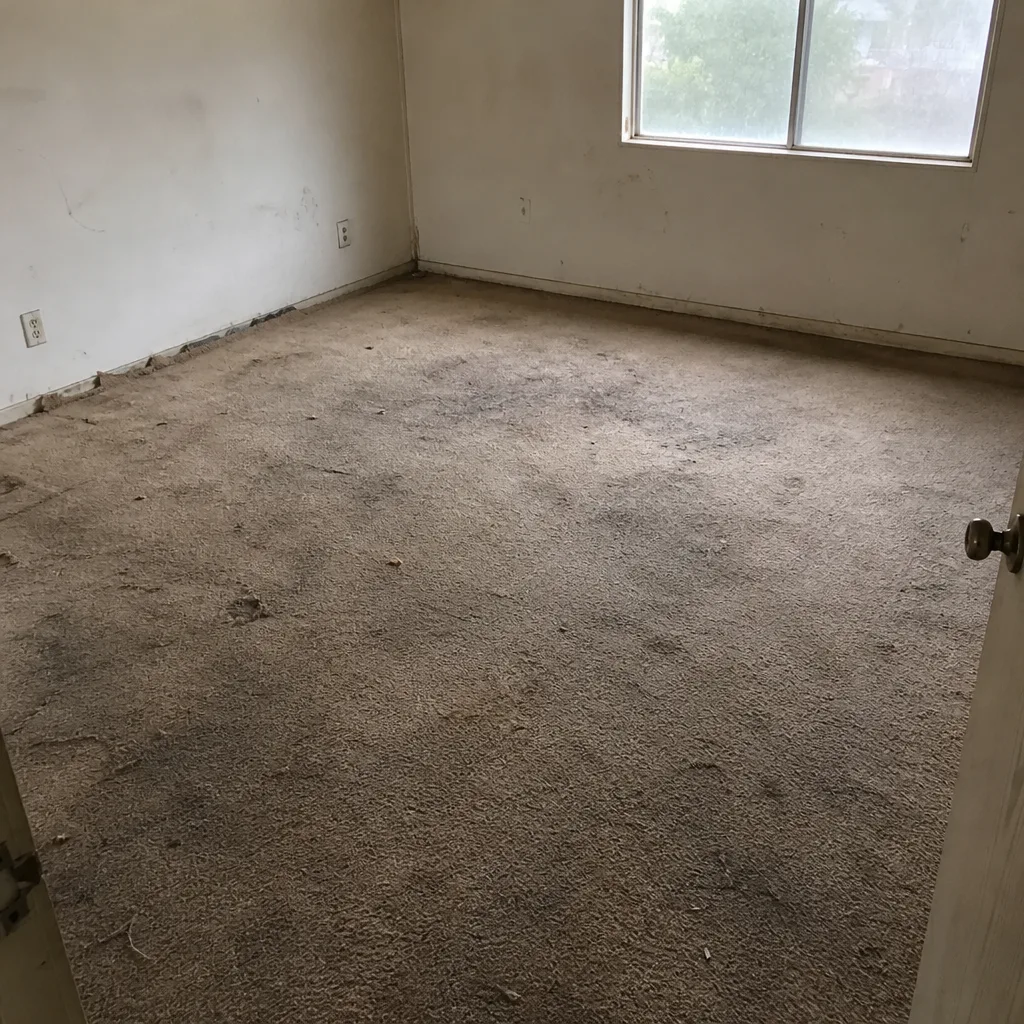 Before
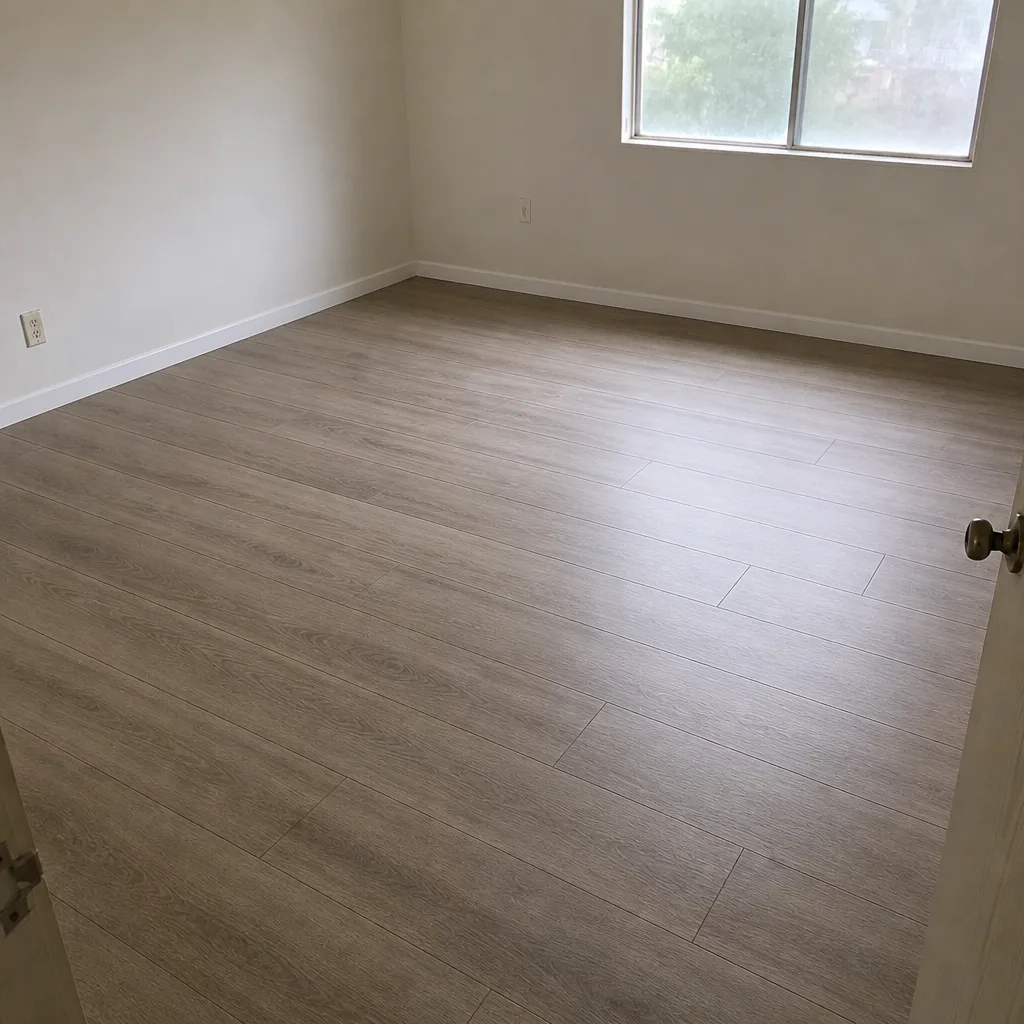 After
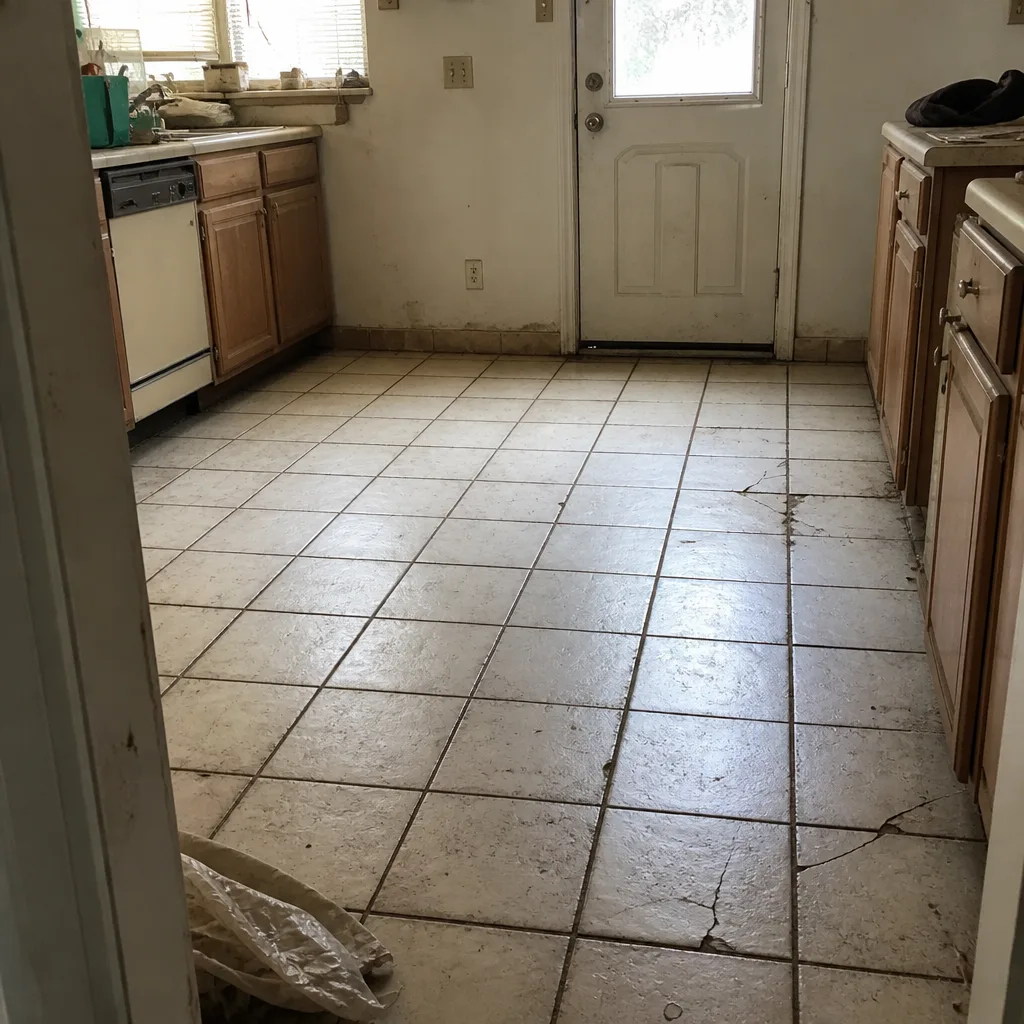 Before
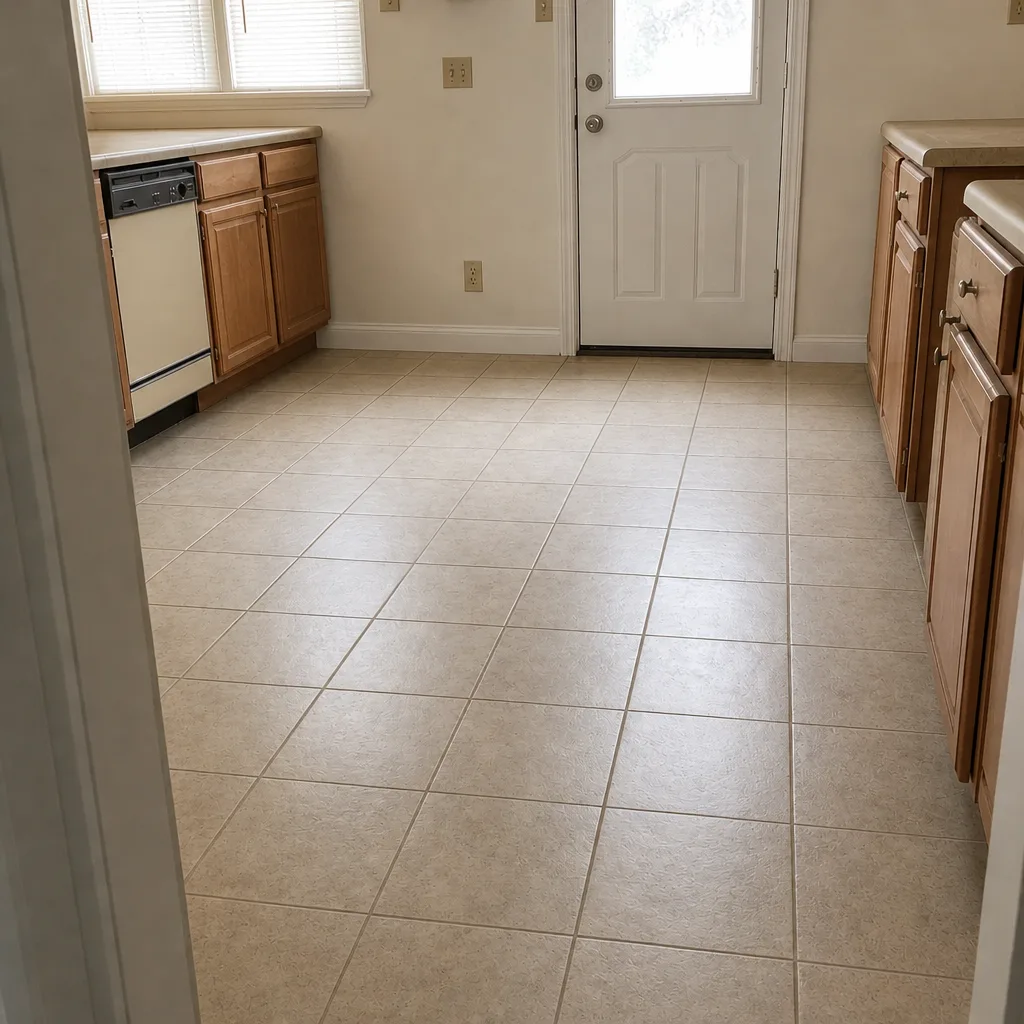 After
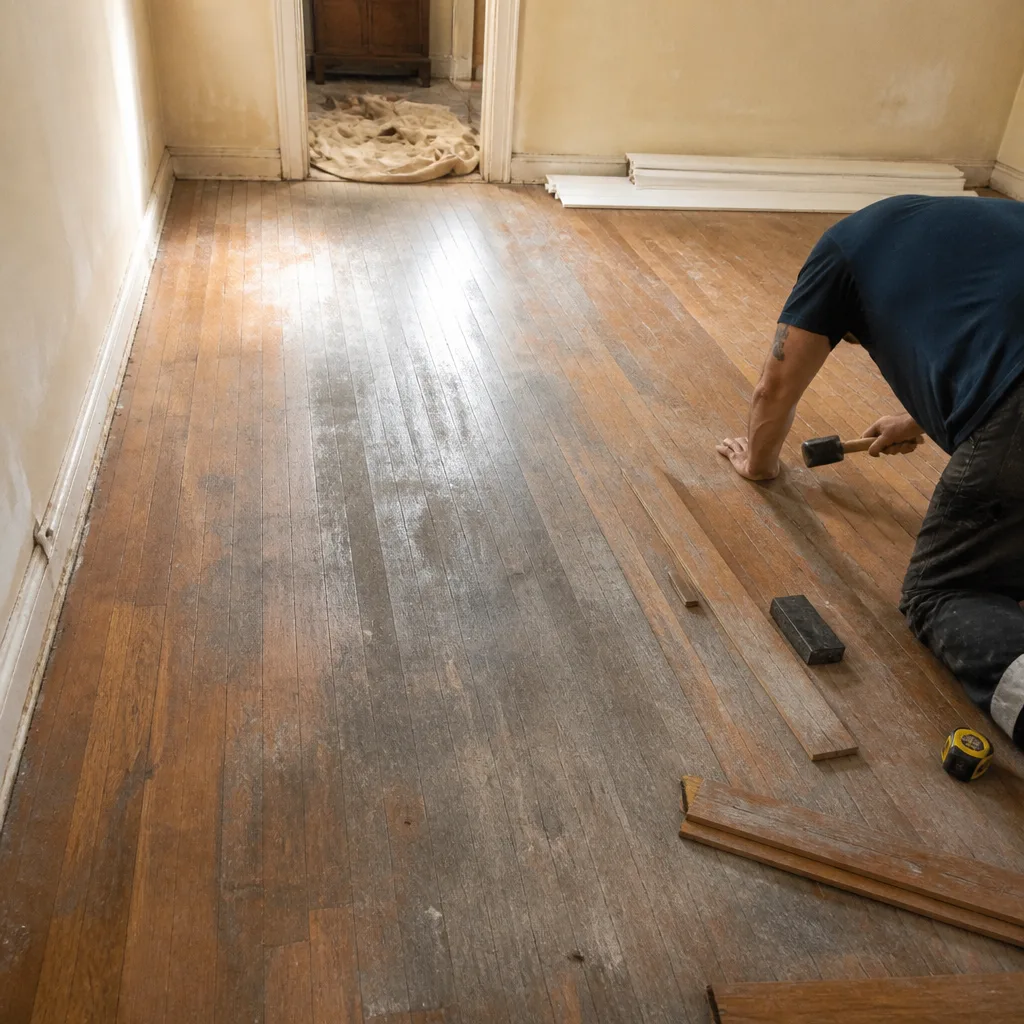 Before
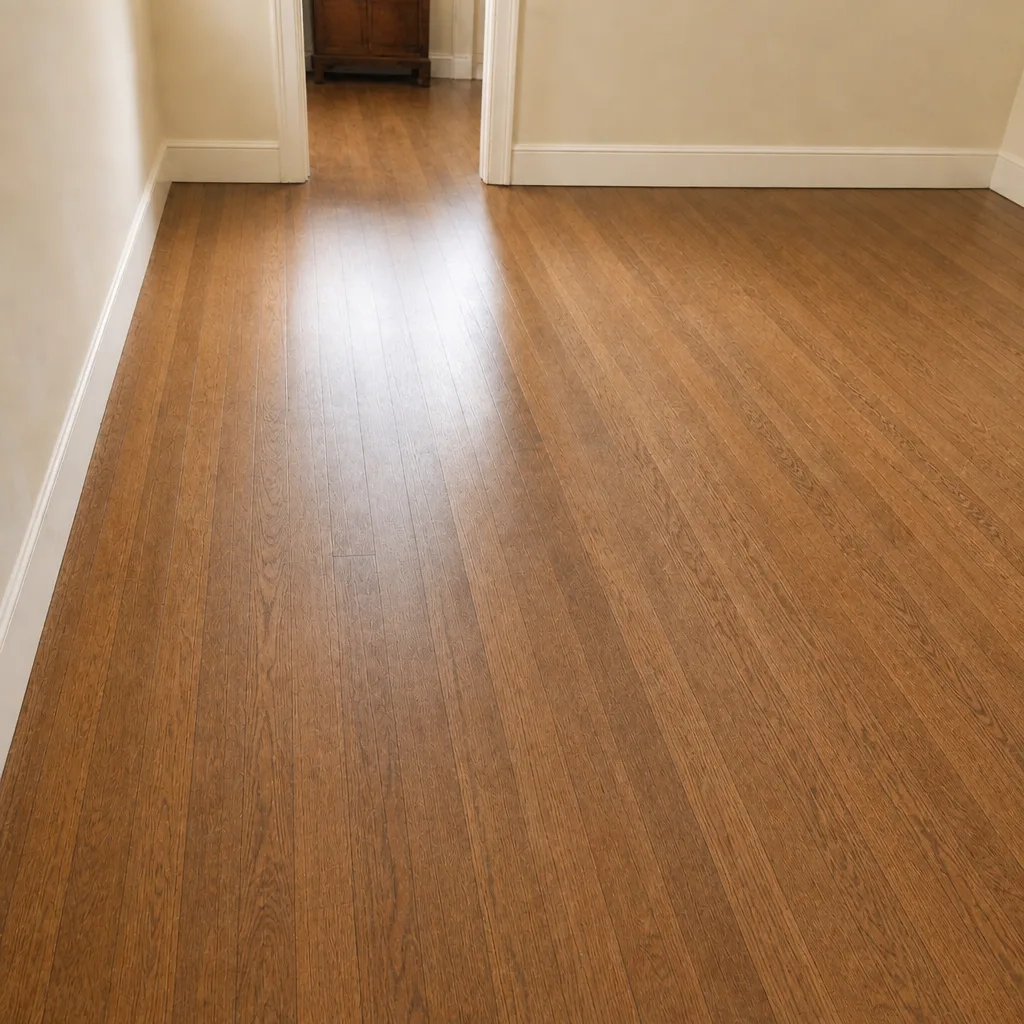 After
When to Call a Professional
Some flooring decisions are genuinely DIY-able; most aren’t, and in a desert climate the margin for error is thinner than it looks. Call a professional when your subfloor needs evaluation – especially a slab with visible high spots or moisture questions – or when the floor you’re considering is tile, where deflection and adhesive are unforgiving. Call when you’re weighing hardwood and need an honest opinion on whether your home’s humidity control is stable enough to support it. Call when you have an existing wood floor and don’t know whether it can be refinished. Call any time you’re standing in a big-box store looking at a wall of samples and you can’t tell which of the nine brand names is going to hold up in your house.
Flooring Mesquite offers free estimates in Mesquite – call (844) 560-4155. We answer 24/7. Fast dispatch from 7am to 7pm, Sunday through Friday. We work across Mesquite and the surrounding area, and we bring the full brand range, the refinishing option, and a straight read on your subfloor and humidity situation to the first visit. Click over to see the full Flooring Mesquite service picture before you call.
Frequently Asked Questions
Luxury vinyl plank is better than hardwood in a Mesquite home with a slab subfloor, inconsistent HVAC, or a shorter ownership horizon, because it doesn’t respond to humidity swings and handles heat better. Engineered or solid hardwood is better when the house holds steady indoor humidity and you plan to stay long enough to benefit from refinishing. The right answer depends on your house and your plans, not on a universal ranking of materials.
Yes, solid hardwood can gap in dry air and cup after moisture exposure, because wood expands and contracts with indoor humidity. That’s a material property, not a defect. With steady humidity control and proper acclimation, solid hardwood holds up; without it, engineered hardwood is usually the better choice in this climate. Call (844) 560-4155 for an exact read on your situation – estimates are free.
Your floor can be refinished if the wood is thick enough to sand and structurally sound enough to stay flat. Both factors get checked at the estimate visit, and the answer depends on the wood’s thickness and current condition. If it can be refinished, restoring the floor you have is often the better outcome than replacing it.
Luxury vinyl plank is water-resistant, not waterproof. It handles everyday spills and interior humidity swings, but standing water and moisture pushing up from the slab still have to be dealt with before the plank goes down. Whether a specific product tolerates a given condition comes from the product instructions and the written estimate.
Hardwood adds the most at higher price points, provided it’s in good condition, and refinishing before listing is often the highest-return move. Luxury vinyl plank is the most reliable middle-tier upgrade in this market, and porcelain tile is expected in kitchens, baths, and entries rather than a premium. Condition and installation matter more than category, honestly. Call (844) 560-4155 to talk through your specific situation – estimates are free.
Yes, laminate can typically be installed over a concrete slab, provided the slab is dry and flat enough for the product. Moisture from below is the real risk, so the slab gets checked before the product is chosen, and the product instructions set the requirements. If moisture is present, luxury vinyl plank or tile is a more forgiving route.
The Bottom Line
In Mesquite, the hardwood-versus-vinyl-plank debate isn’t really about price. It’s about how much your house moves – literally and figuratively. Subfloor type, humidity control, pets, and how long you plan to stay each reshape which category wins for which homeowner. Engineered hardwood usually beats solid in a slab home with average climate control. Luxury vinyl plank wins where humidity, sun, and a shorter horizon make wood a maintenance conversation. Porcelain tile owns the wet rooms. Laminate is a solid middle option when moisture risk is low. And refinishing the wood floor you already have deserves a hard look before anyone sells you a replacement. You pick the brand. We handle the installation, and we quote it in writing after a free estimate. That’s the whole conversation, and we’re glad to have it. For carpet installation, look here; for the tile side, tile flooring installation is where to start; and for the full picture, explore carpet installation options as well.
Call (844) 560-4155 to schedule your free estimate. We answer 24/7. Fast dispatch from 7am to 7pm, Sunday through Friday.
Written by the team at Flooring Mesquite.