
Last updated November 17, 2026
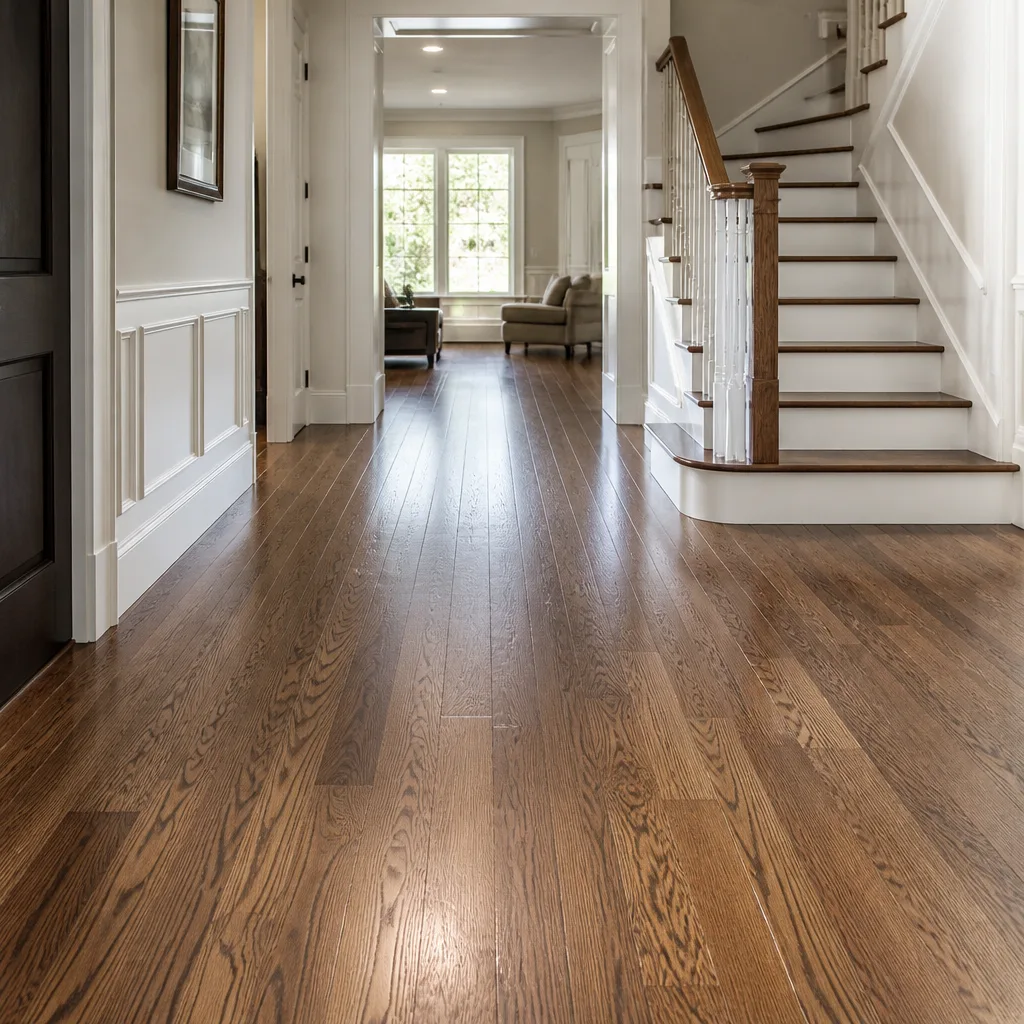 Hardwood
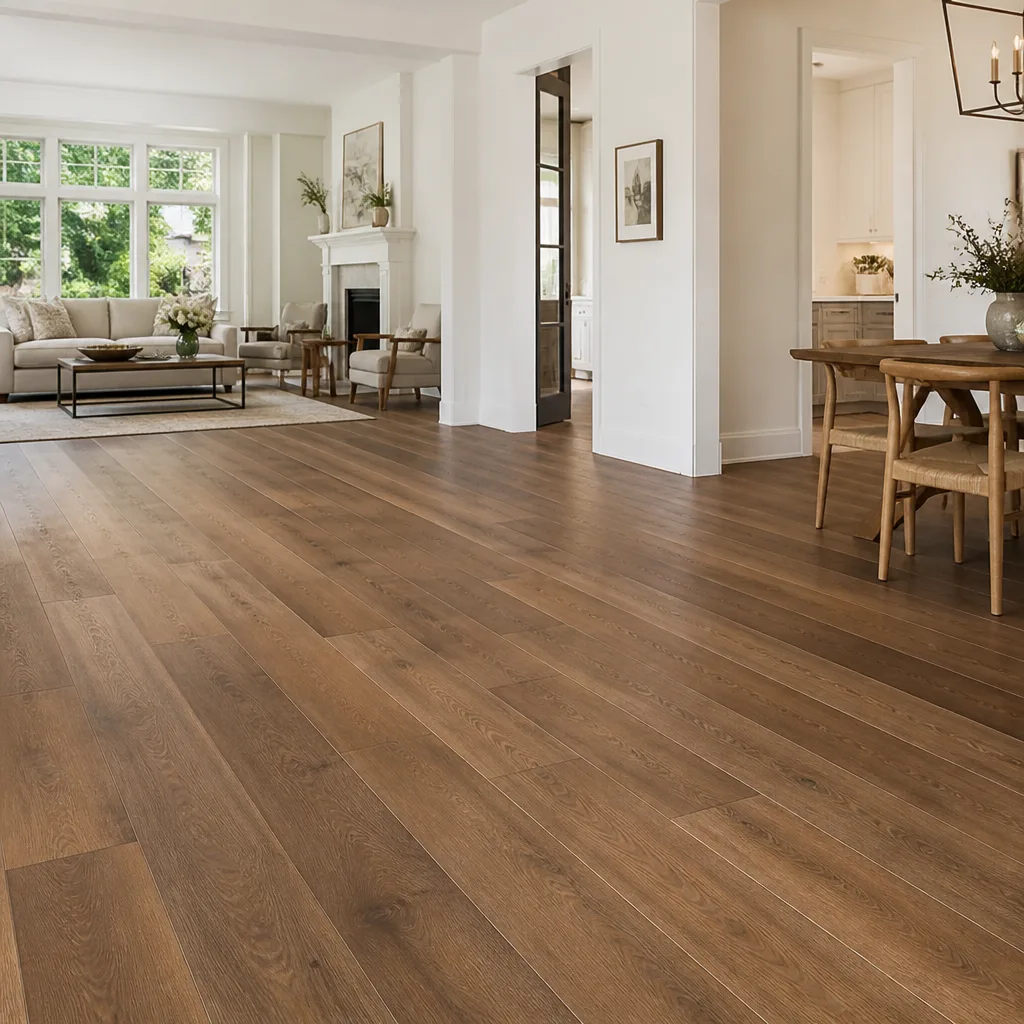 Engineered hardwood
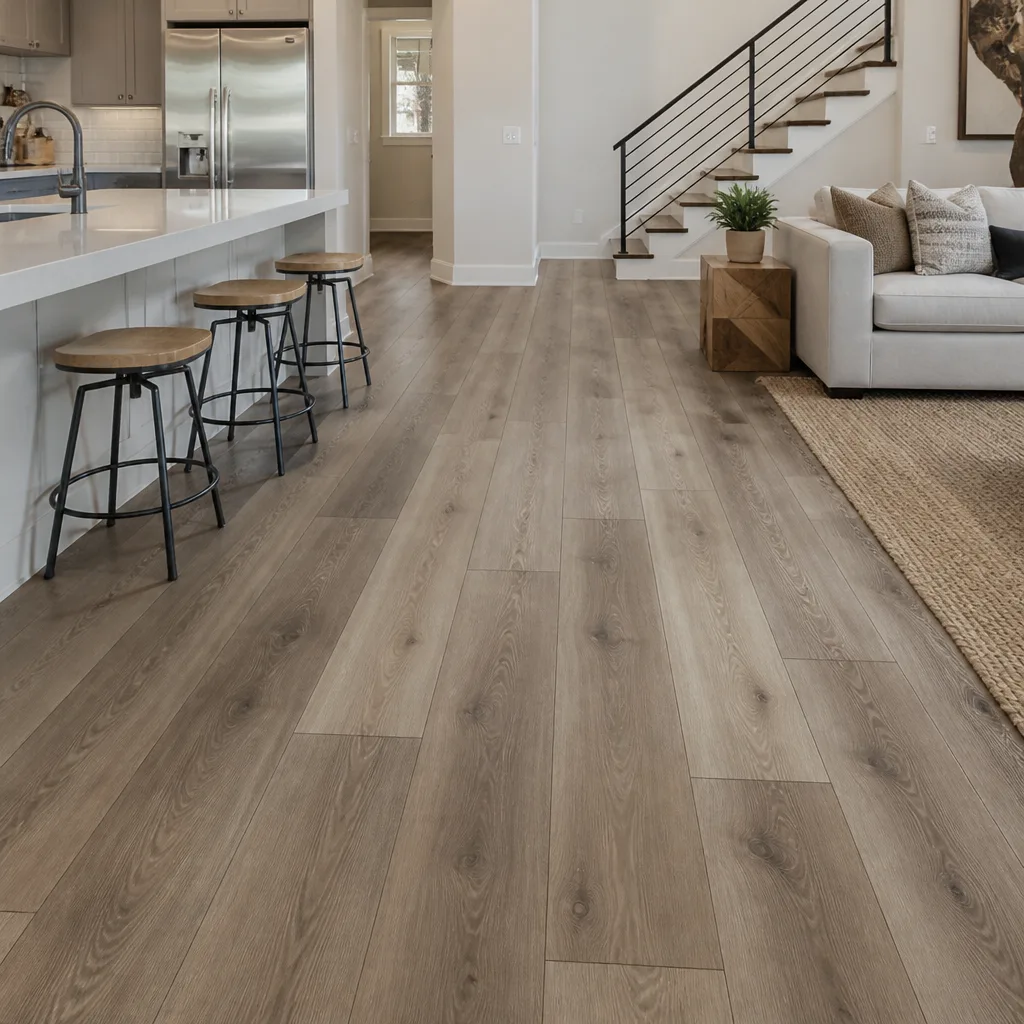 Luxury vinyl plank
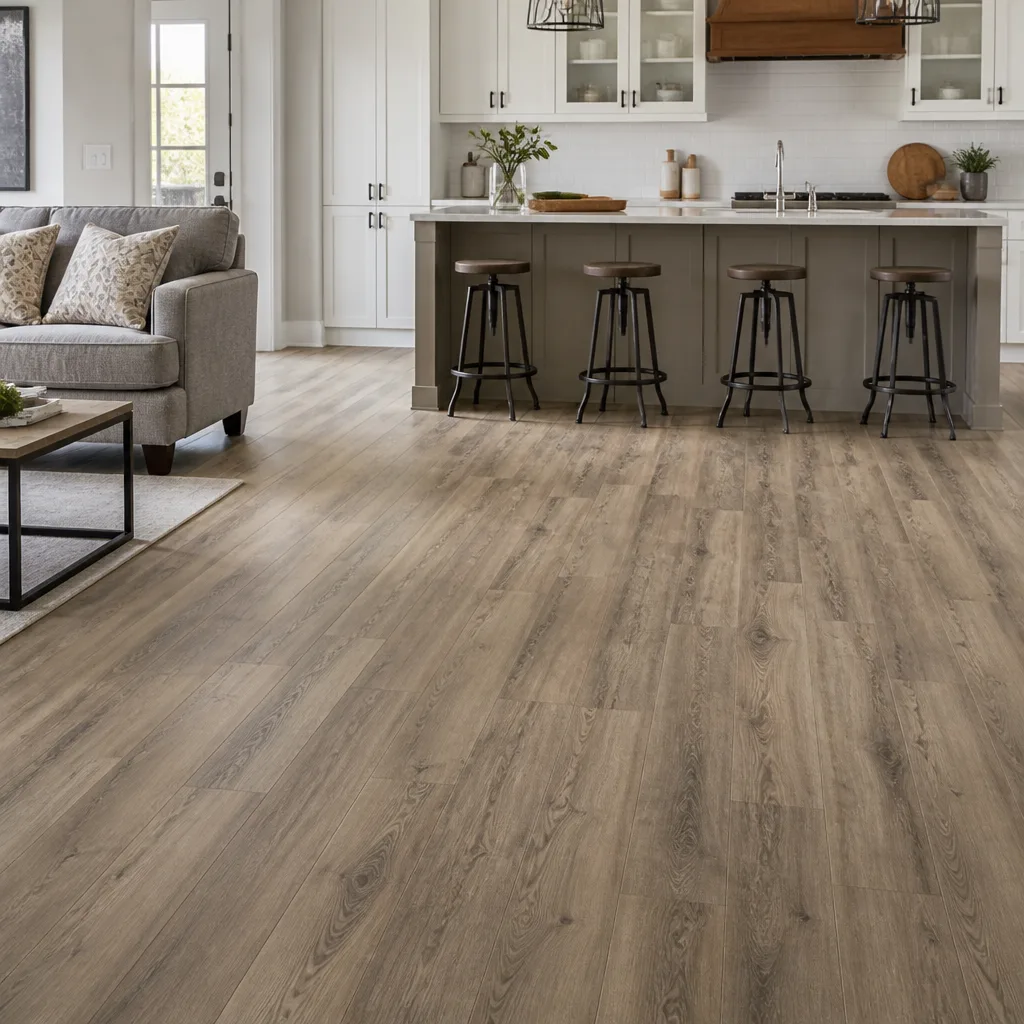 Laminate
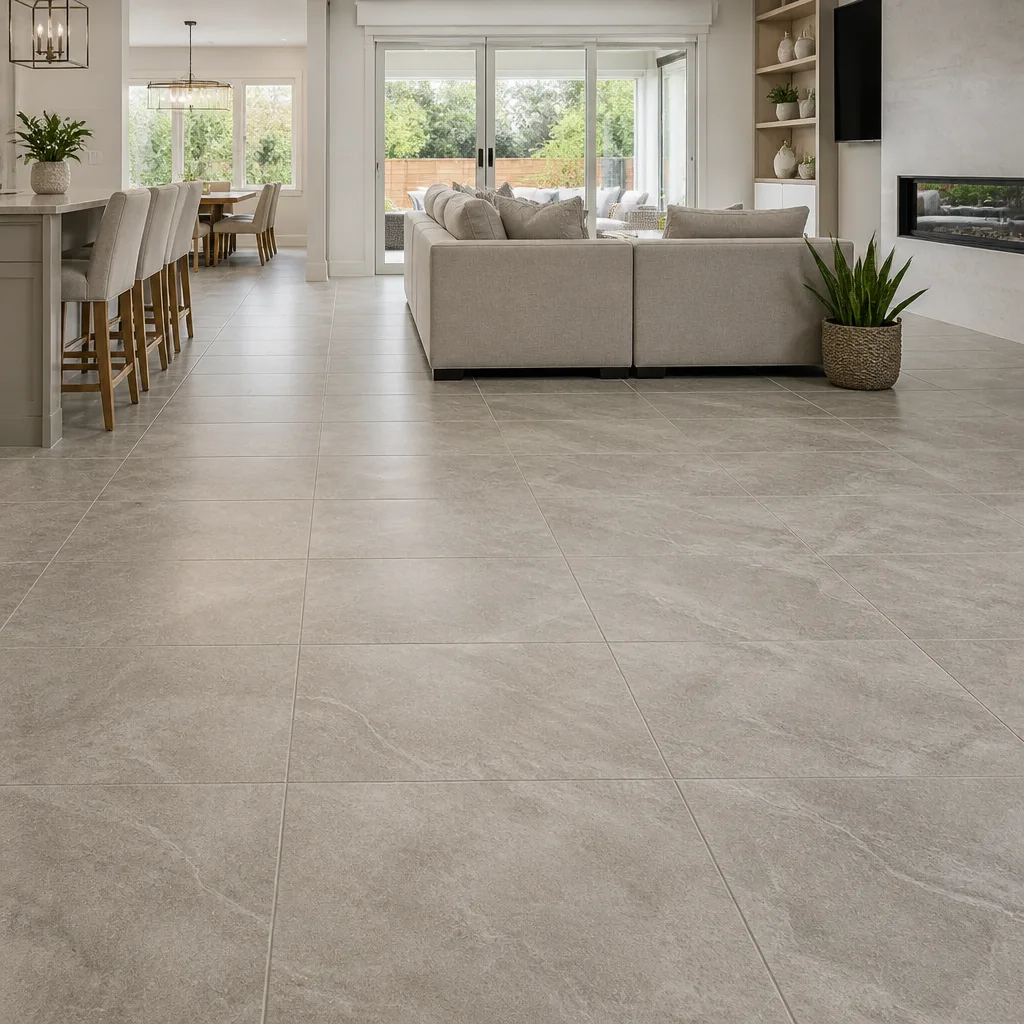 Porcelain tile
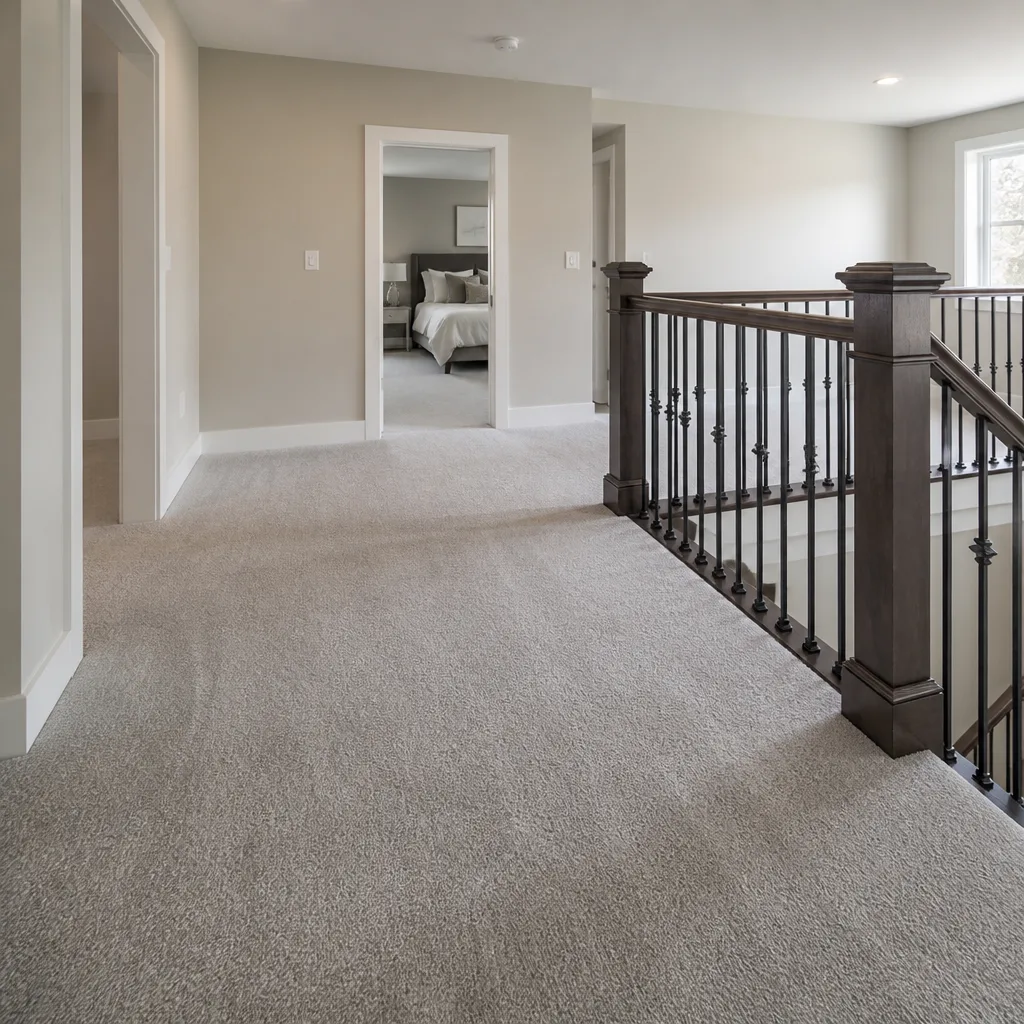 Carpet
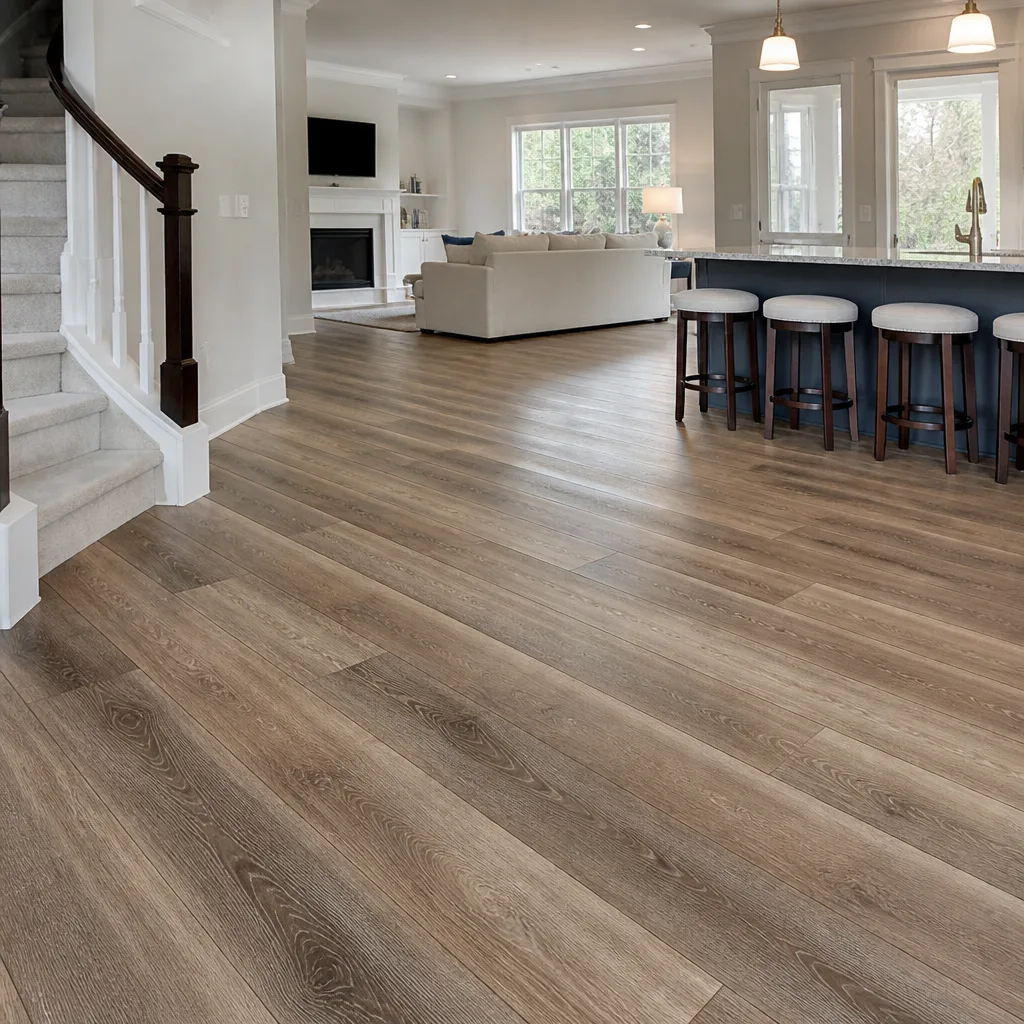 Shaw
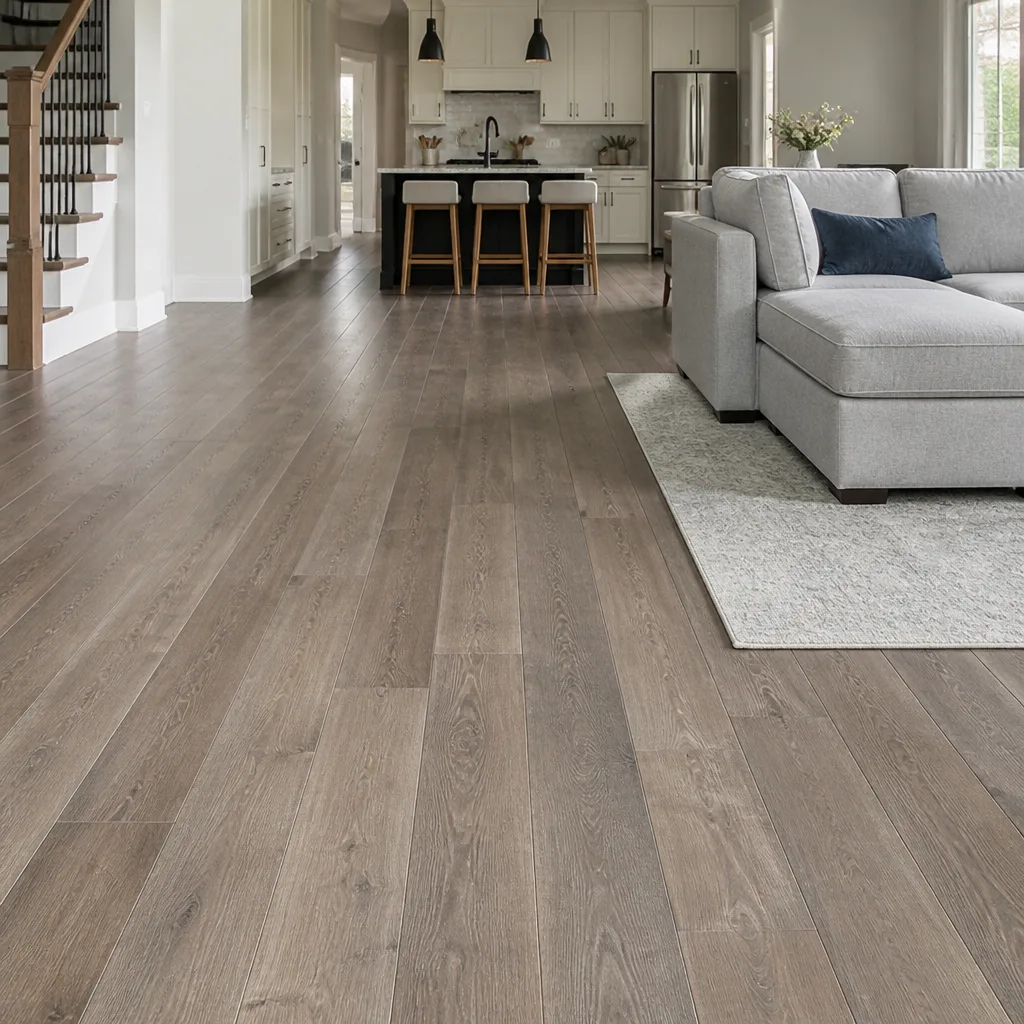 Mohawk
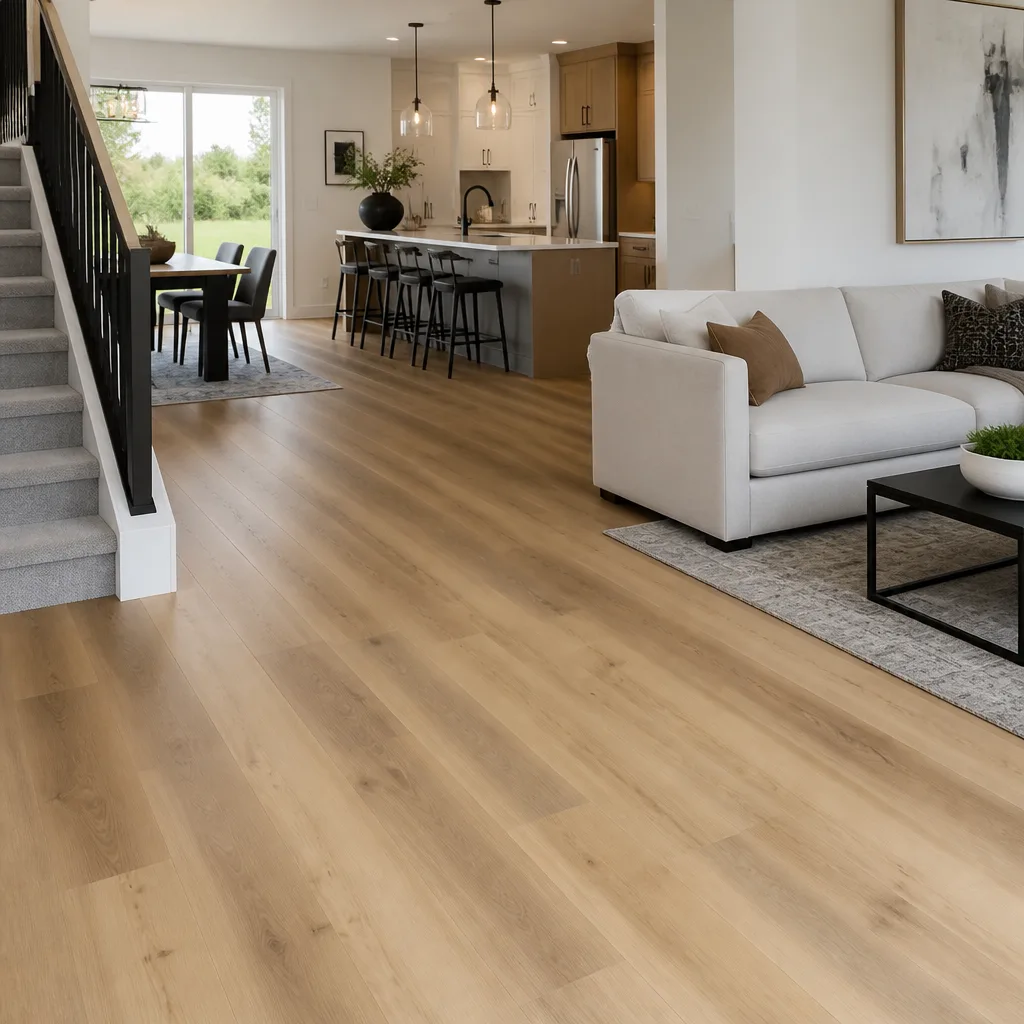 COREtec
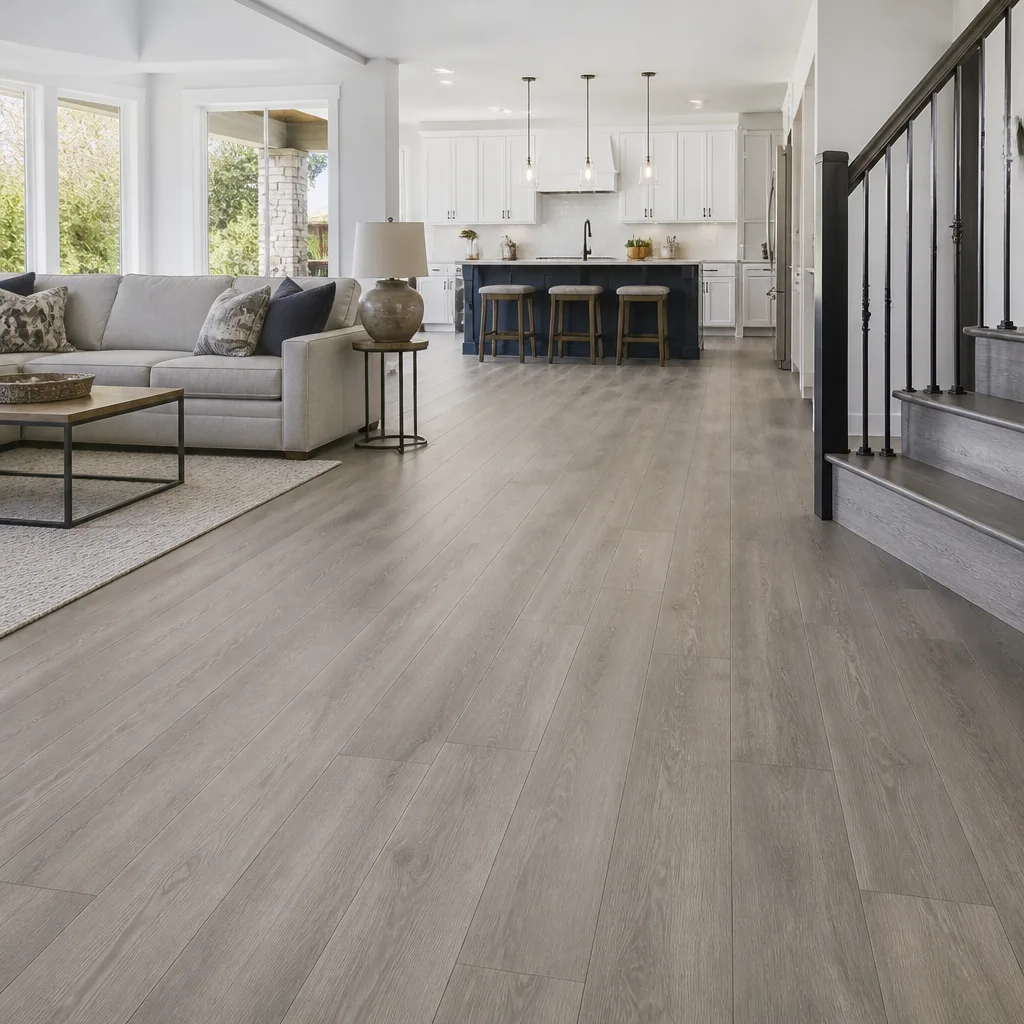 Pergo
Free in-home measure and written estimate: Shaw, Mohawk, COREtec and Pergo lines compared on your own rooms, with carpet, tile, vinyl plank, laminate and hardwood laid out side by side
Get your free estimateThe Complete Guide to Flooring in Mesquite
Most flooring advice you’ll read online was written for a climate that doesn’t exist here. Manufacturers test their products at humidity levels roughly double what Mesquite sees, and then those products land in a high-desert home where the air is dry, the sun is relentless, and the temperature swings from a cold winter morning to a warm afternoon without much warning. The result is that a floor can look perfect on install day and start showing its limits a few seasons later. This guide walks through every major flooring category with that reality in mind, so the choice you make in Mesquite holds up for the long haul.
Quick Answer
The best flooring for a Mesquite home depends on the room: luxury vinyl plank handles dry air and temperature swings with the least fuss, porcelain tile is the most dimensionally stable choice for kitchens, baths, and entryways, and site-finished hardwood can work well if the home’s indoor humidity is managed. Carpet remains the right call for bedrooms where comfort matters more than moisture. The single biggest factor is matching the material to the room and the climate, not picking the most expensive option.
Quick Answer: In Mesquite’s high-desert climate, choose luxury vinyl plank for whole-home versatility, porcelain tile for wet rooms and high-traffic entries, carpet for bedrooms, and hardwood only where you can keep indoor humidity stable. The material matters less than the room it goes in.
Styles & brands we work with
- Hardwood
- Engineered hardwood
- Luxury vinyl plank
- Laminate
- Porcelain tile
- Carpet
- Shaw
- Mohawk
- COREtec
- Pergo
Table of Contents
- Why Mesquite’s Climate Changes Everything About Flooring
- How UV and Low Humidity Affect Hardwood, Laminate, and LVP
- Which of the Nine Brand Lines Perform Best in the Desert
- Room-by-Room Flooring Match for Mesquite Homes
- How to Read a Flooring Spec Sheet in a Dry Climate
- Big-Box Advice vs. What a Material Specialist Would Install
- Common Mistakes to Avoid
- When to Call a Professional
Why Mesquite’s Climate Changes Everything About Flooring
Nevada’s average relative humidity sits somewhere between 20 and 30 percent, which is roughly half of what most flooring manufacturers use when they test their products for dimensional stability. That gap is where a lot of Mesquite flooring mistakes begin. Wood, laminate, and even some vinyl products are designed to expand and contract with moisture in the air. When the air is drier than the test conditions, those materials shrink slightly, and that movement shows up as gapping between planks, separation at seams, or a floor that feels loose underfoot.
The flip side is the sun. Mesquite sits in a region with intense year-round UV exposure, and UV doesn’t just fade a floor’s color over time. It can cause uneven aging where sunlight falls through a window for part of the day, leaving a visible pattern on the floor after a few years. That’s true for hardwood, laminate, and even some luxury vinyl products, though the degree varies by product and by how the room is used.
Then there are the temperature swings. Desert homes often go from a cool overnight temperature to a warm daytime interior without much transition, and that cycling puts stress on any material that moves with heat. Tile is largely immune. Carpet doesn’t care. But hardwood, laminate, and LVP all respond to it in their own way, and understanding that response is the first step toward picking a floor that lasts.
- Low humidity: causes natural materials to shrink and gap.
- Intense UV: fades and ages floors unevenly near windows.
- Temperature swings: test the dimensional stability of any floor that moves with heat.
- Dry indoor air: a whole-home humidifier can help, but it’s not a fix for a poorly matched material.
None of this means you can’t have the floor you want in Mesquite. It means the choice should be informed by the environment, not just the showroom sample.
How UV and Low Humidity Affect Hardwood, Laminate, and LVP
Each of these three categories handles the desert differently, and understanding the difference helps you predict how a floor will behave in your home.
Hardwood
Hardwood is the most responsive to humidity changes, which is both its charm and its challenge. In a dry Mesquite home, solid hardwood can shrink and develop small gaps at the board edges during the driest months. Engineered hardwood handles this better because its cross-ply construction resists movement, but it still needs indoor humidity to stay reasonably stable. The good news is that hardwood can often be refinished, which restores the surface without replacing the floor. Whether a specific floor can be refinished depends on the thickness of the wood and its condition, checked at the estimate visit. Our technicians have up to 12 years of experience assessing exactly that kind of thing.
Laminate
Laminate is a composite product with a photographic surface layer, and it’s more dimensionally stable than solid wood but still sensitive to moisture at the seams. In dry air, laminate can develop small gaps, and near a sunny window, its printed surface can fade. Brands like Pergo and Mannington make laminate products that handle dry climates reasonably well, but the installation matters as much as the product. A floating laminate floor needs room to expand and contract at the perimeter, and that expansion gap is where a lot of amateur installs go wrong.
Luxury Vinyl Plank
LVP is the most forgiving of the three in a dry climate. It’s water-resistant, dimensionally stable, and it doesn’t shrink the way wood does when the air dries out. It can still fade under intense UV, and no vinyl floor is waterproof in the sense that standing water or moisture from below can be ignored. But for a Mesquite home with wide temperature swings, LVP is often the lowest-risk choice for the main living areas. Brands like LifeProof and COREtec are built around that stability, and they’re worth looking at closely if you want a floor that doesn’t demand much from your indoor environment.
Which of the Nine Brand Lines Perform Best in the Desert
You pick the brand. We handle the installation. That’s the advantage of working with a contractor who sources from nine major flooring lines rather than a single product catalog. In Mesquite’s climate, some brands and product lines are simply a better fit than others, and the right choice depends on the room, the budget, and how much maintenance you’re willing to do.
Here’s how the categories break down across the brands we source and install:
- Luxury vinyl plank: COREtec and Karndean are the premium design-forward options, with LifeProof sitting at a value price point that still handles dry air and temperature swings well.
- Laminate: Pergo and Mannington make laminate that holds up in low-humidity homes, and Armstrong offers a range of laminate products at different price points.
- Hardwood: Shaw and Mohawk both offer hardwood lines, and refinishing is available as a standalone service if you already have a wood floor worth restoring.
- Carpet: Shaw and Mohawk are the primary carpet lines, with Mannington and Armstrong rounding out the selection.
- Tile: Daltile is our dedicated tile brand partner, and that partnership reflects real sourcing depth for porcelain and ceramic tile, not just a tile SKU bolted onto a carpet catalog.
The brand conversation should start with your budget, not a single price tier. Pergo, LifeProof, and Armstrong give you proven value options. Karndean and COREtec give you premium design lines. Daltile gives you tile depth. Options at every price point, installed to the same standard.
Room-by-Room Flooring Match for Mesquite Homes
Mesquite homes tend to be single-story and built for indoor-outdoor living, which means the flooring decision isn’t just about the room. It’s about how traffic moves from the patio through the entryway and into the rest of the house. Here’s how we’d match materials to rooms in a typical Mesquite home.
- Entryway and hallways: Porcelain tile from Daltile is the strongest choice here. It handles grit, moisture, and the constant in-and-out traffic that comes with a desert home where the backyard is part of daily life.
- Kitchen: Tile is the most practical option for spills and standing water, though LVP can work if you prefer a softer surface underfoot. If you’re going with LVP, COREtec and LifeProof both make lines suited to kitchen use.
- Living room: This is where the brand conversation gets interesting. LVP gives you water resistance and low maintenance. Hardwood gives you warmth and the option to refinish later. Laminate from Pergo or Mannington is a middle ground on budget.
- Bedrooms: Carpet is still the right answer for most people, and our carpet installation service covers Shaw and Mohawk lines that hold up well in dry air. The exception is a bedroom with a patio door and heavy sun exposure, where you might prefer LVP.
- Bathrooms: Tile, without question. Porcelain handles the moisture and temperature swings better than anything else, and it won’t shrink or gap the way wood can.
- Home office or den: This is a good spot for hardwood if you want the look, since these rooms tend to be smaller and easier to keep at a stable humidity level.
If you’re looking at whole-home flooring, the smart approach is to pick two or three materials and use them consistently across adjacent rooms rather than switching floor types at every doorway. That consistency makes a small home feel larger and saves money on transitions.
How to Read a Flooring Spec Sheet in a Dry Climate
Flooring spec sheets are packed with numbers, and most of them don’t matter much for a Mesquite homeowner. Two numbers do: the AC rating and the core thickness. Here’s how to read them.
AC Rating
The AC rating is a durability rating for laminate flooring, and it ranges from AC1 to AC5. It tells you how much foot traffic and wear a product is designed to handle. AC3 is the sweet spot for residential use in most rooms. AC4 and AC5 are designed for heavier traffic and commercial settings. In a Mesquite home with a busy entryway, AC4 is a reasonable upgrade. What the AC rating doesn’t tell you is how the product handles humidity, which is why you need the second number.
Core Thickness
Core thickness matters more in a dry climate than most buyers realize. A thicker core resists flexing and movement better than a thin one, and that stability is what keeps a floating floor from developing gaps when the air dries out. For LVP, a thicker core also generally means a more rigid plank that hides minor subfloor imperfections. The exact thickness you should look for depends on the product and the manufacturer’s instructions, but as a rule, thicker is more forgiving in a desert home. Brands like LifeProof and COREtec publish their core thickness on the spec sheet, and it’s worth comparing before you buy.
What to Ignore
Ignore wear-layer thickness numbers unless you’re comparing two products from the same brand. Ignore moisture readings and acclimation times, because those depend on the product and the home. And ignore any claim that a floor is waterproof, scratch-proof, or pet-proof, because no floor is any of those things without caveats. What the product instructions say, and what the written estimate sets, are what matter.
Big-Box Advice vs. What a Material Specialist Would Install
Walk into a big-box flooring department and you’ll usually get one of two answers: the product that’s on sale, or the product the associate is most familiar with. Neither is a bad answer, but neither is tailored to a Mesquite home. A material specialist would start with the room, the climate, and the traffic pattern, and then work backward to the product.
Here’s the difference in practice:
- Big-box approach: recommends the most popular laminate or LVP SKU, often without asking about humidity, sun exposure, or whether the floor is going over concrete. In a desert home, that’s a recipe for gaps and fading.
- Specialist approach: asks about the room’s sun exposure, whether the home has a whole-house humidifier, and how the floor will be used. Then recommends a material and a brand that fits.
- Big-box installation: often subcontracted out to whoever is available, which means the person installing your floor may not specialize in that material.
- Specialist installation: focused on three disciplines: carpet installation, tile flooring installation, and hardwood floor refinishing. That focus is why the installation holds up.
We install and service the floor you choose across all nine brand lines. What we won’t do is tell you every product is right for every room, because in a climate like this one, that’s simply not true.
The Role of Subfloor and Prep in a Desert Home
A floor is only as good as what’s underneath it, and in Mesquite, the subfloor often needs more attention than homeowners expect. Single-story homes built on slab are common here, and a slab that’s been exposed to the dry desert air can have minor cracks or unevenness that a floating floor will telegraph if it isn’t addressed first.
For tile, the prep is even more important. That’s where tile flooring installation earns its keep: the difference between a tile floor that looks right for years and one with cracked grout lines and loose pieces is almost entirely in the prep and the setting, not the tile itself. A flat, clean, properly prepared substrate is what keeps the tile bonded and the grout lines tight.
For hardwood, the subfloor needs to be flat and dry, and the indoor humidity needs to be stable before the floor goes down. Our technicians check the subfloor at the estimate visit, and if it needs work, that goes into the written estimate before any product is ordered. The best brand in the world won’t save a floor installed over a bad substrate.
See the difference
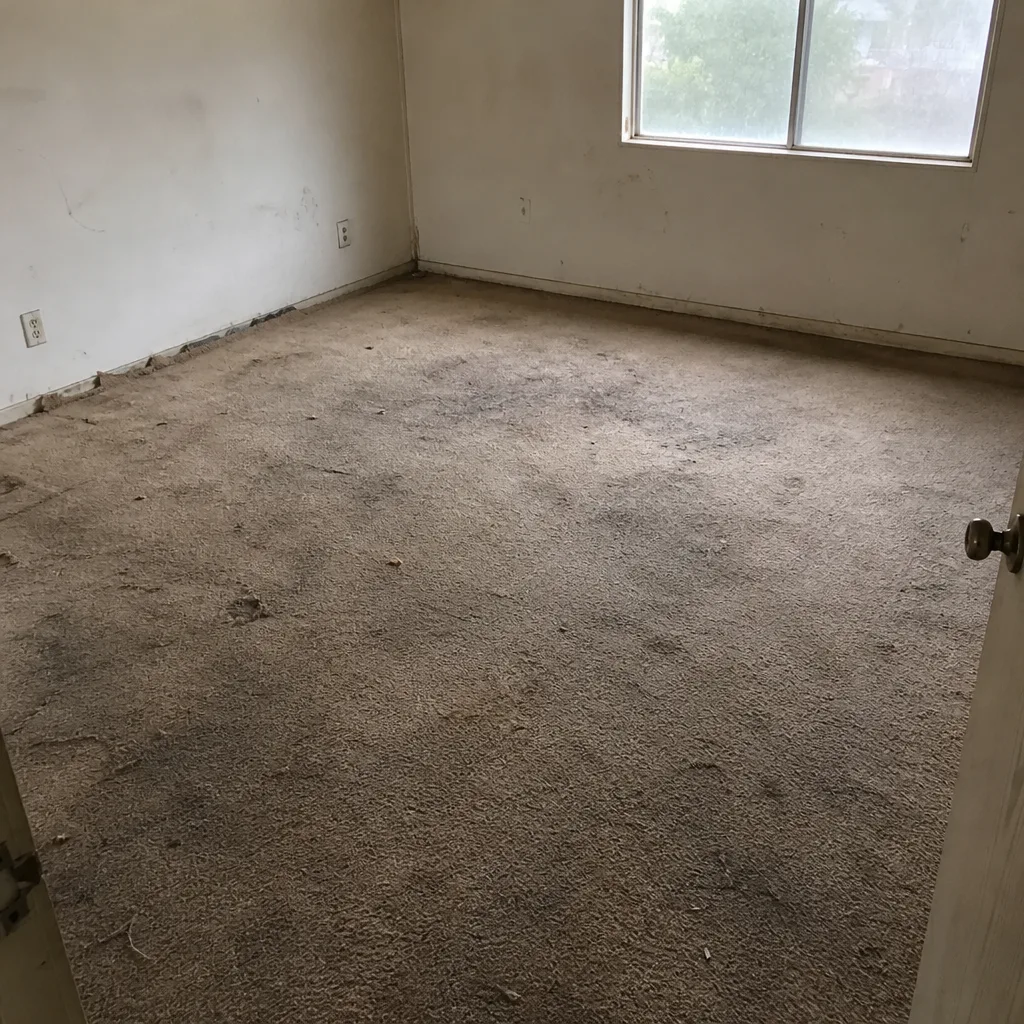 Before
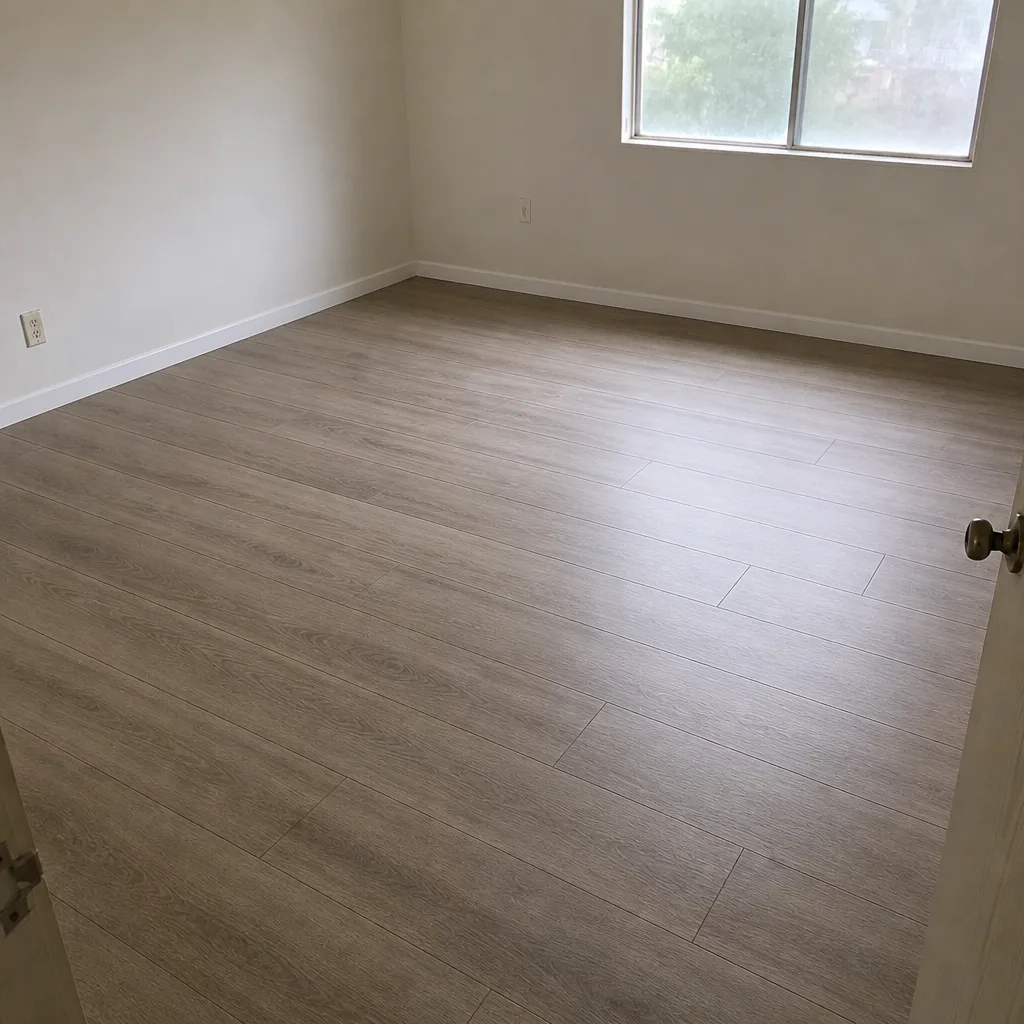 After
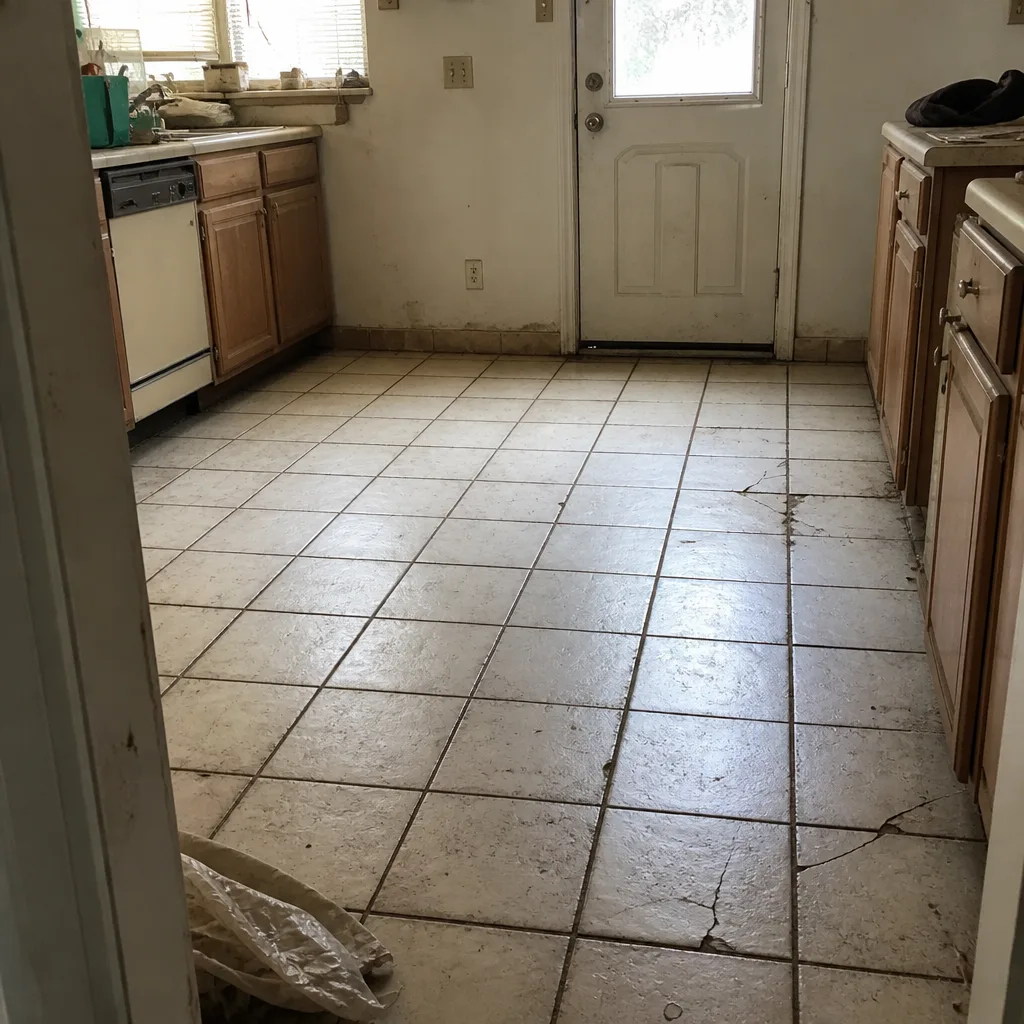 Before
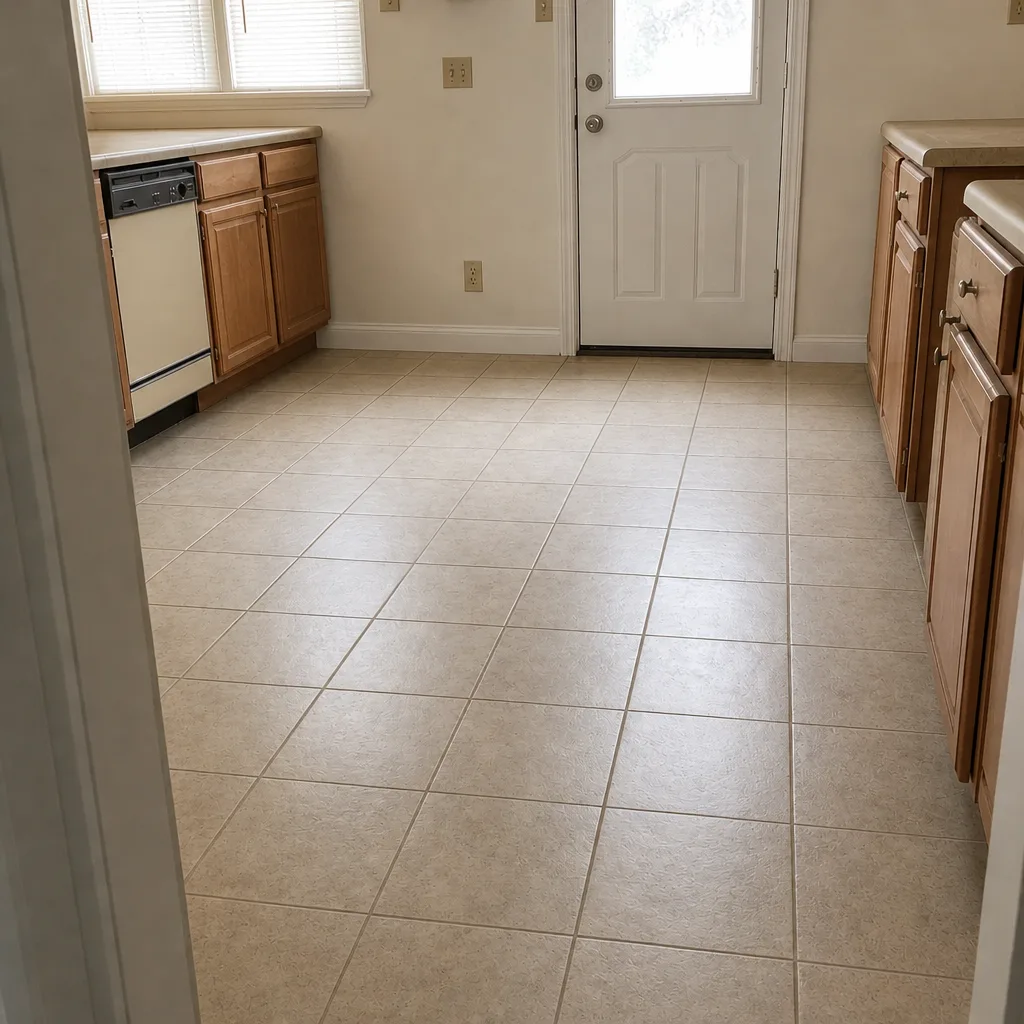 After
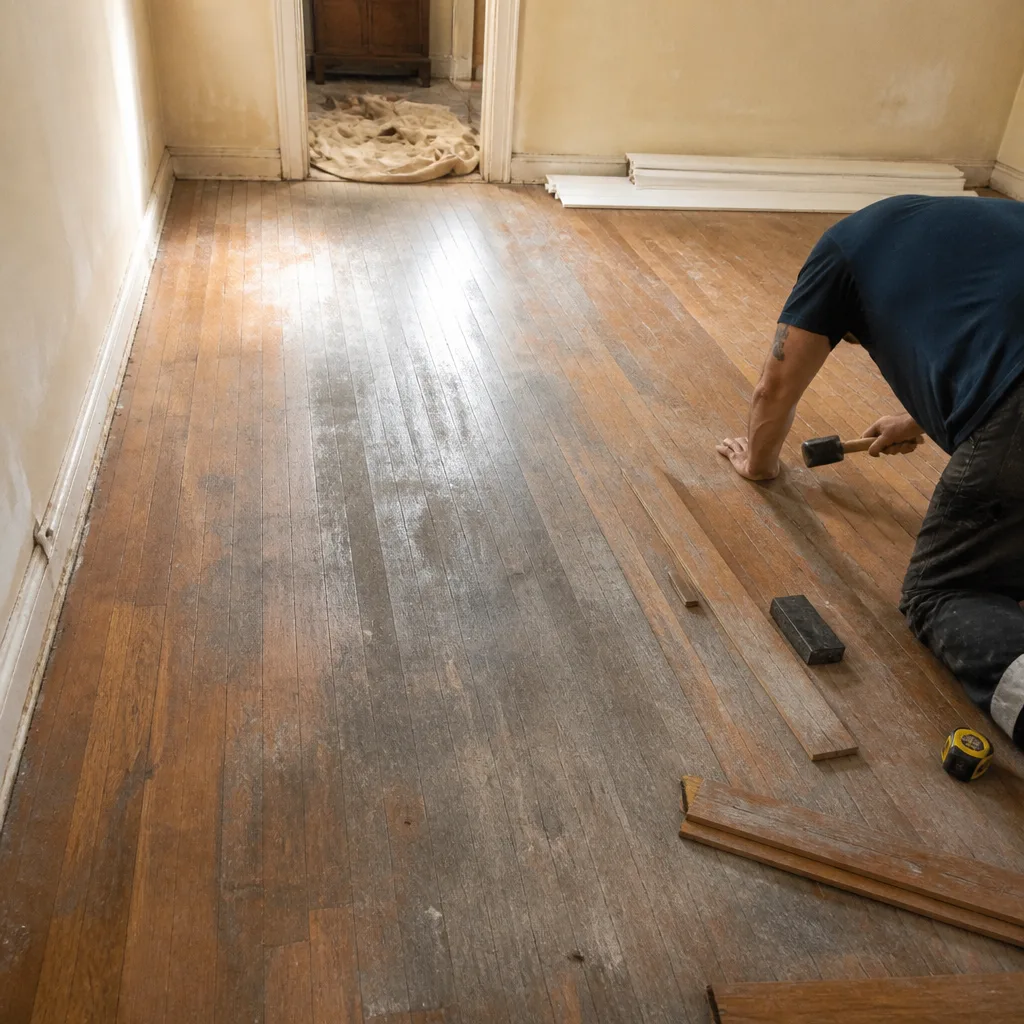 Before
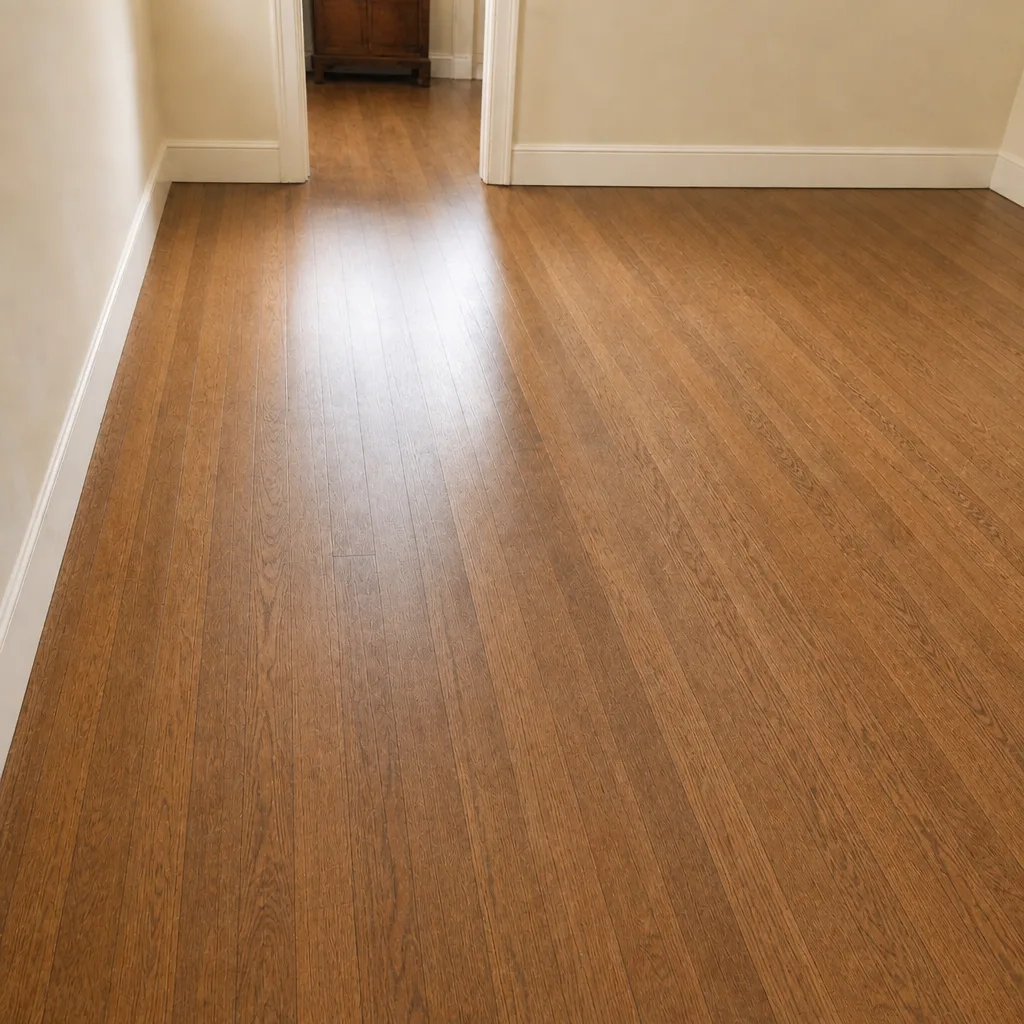 After
Hardwood Refinishing: Restore the Floor You Have
If your Mesquite home already has a hardwood floor, you may not need to replace it. Refinishing is a skilled alternative to full replacement, and it’s a service many big-box installers simply don’t offer. The process removes the worn top layer and applies a new finish, which can bring a tired floor back to life without the cost and disruption of a full tear-out.
Not every floor can be refinished. It depends on the thickness of the wood and its condition, which is why we check at the estimate visit rather than promising a result over the phone. Some floors have plenty of wood left to sand. Others have been refinished before and don’t have enough left. And a stain match to a sample isn’t guaranteed, because the wood itself varies from board to board.
If refinishing isn’t the right call, we can talk through replacement options across the nine brand lines. Either way, the conversation starts with what you have, not what we want to sell you.
Common Mistakes to Avoid
- Picking a floor by showroom sample alone. A sample under showroom lighting looks very different from the same product in a Mesquite living room with a west-facing window. Ask to see the product in your own light before you commit.
- Ignoring the humidity question. In a 20-30 percent humidity climate, a floor designed for higher moisture will shrink and gap. Ask how the product handles dry air before you buy, not after.
- Skipping the subfloor check. A floating floor over an uneven slab will feel spongy and develop gaps. The prep is part of the job, and skipping it is the most common reason a floor fails early.
- Mixing too many materials. Switching from tile to carpet to laminate at every doorway makes a home feel chopped up. Pick two or three materials and use them consistently.
- Assuming every wood floor can be refinished. Thickness and condition determine whether refinishing is possible. Get it checked before you plan around it.
- Trusting “waterproof” claims. No vinyl or laminate floor is truly waterproof in the sense that standing water or moisture from below can be ignored. Water-resistant is the honest term, and it still requires attention.
- Buying on price alone without a written estimate. The cheapest product often costs more over time if it’s the wrong material for the room. Get a written estimate that includes prep, materials, and installation so you’re comparing the real number.
When to Call a Professional
Some flooring projects are genuinely straightforward, but others need a trained eye before you spend a dime on materials. Call a professional if your subfloor is uneven or has cracks, if you’re installing tile in a room with moisture, if you’re considering refinishing an existing hardwood floor, or if you’re replacing flooring across more than one room and need the materials to work together. A professional can also check whether your home’s indoor humidity is stable enough for hardwood, which is the single biggest question in a desert climate. Flooring Mesquite offers free estimates in Mesquite. Call (844) 560-4155 to schedule yours. We answer 24/7, and fast dispatch runs from 7am to 7pm, Sunday through Friday.
Frequently Asked Questions
Luxury vinyl plank is the best all-around choice for most Mesquite homes because it handles dry air and temperature swings better than wood or laminate. Porcelain tile is the best choice for wet rooms and entryways, and carpet remains the best choice for bedrooms. The right answer depends on the room, so we recommend matching the material to the space rather than picking one floor for the whole house.
Yes, low humidity can cause solid hardwood to shrink and develop small gaps at the board edges, especially during the driest months. Engineered hardwood resists this better, and keeping indoor humidity stable helps. If you’re set on hardwood, we can check whether your home’s humidity is stable enough at the estimate visit.
The cost depends on the material, the square footage, and the condition of the subfloor. Carpet, LVP, tile, and hardwood all fall into different price ranges, and the written estimate sets the final price. Call (844) 560-4155 for an exact quote, because estimates are free and there’s no guesswork in a written number.
In most cases, yes, but the slab needs to be flat and clean first. Cracks and unevenness need to be addressed before any floating floor goes down, and tile requires a properly prepared substrate. We check the subfloor at the estimate visit so any prep work is included in the written estimate before you commit.
The schedule is set at the estimate, because it depends on the material, the square footage, and the prep work required. We don’t promise a fixed arrival time or a set number of days over the phone. A free in-home measure and estimate comes first, then a written price, then a booked install day.
Often, yes, but it depends on the thickness of the wood and its condition. Refinishing is a standalone service we offer, and it’s a skilled alternative to full replacement when the floor has enough wood left to sand. We check at the estimate visit and tell you honestly whether refinishing is the right call for your floor.
Choose Your Floor With the Desert in Mind
Flooring in Mesquite isn’t just about color and style. It’s about how a material behaves when the air is dry, the sun is strong, and the temperature swings from morning to afternoon. LVP is the most forgiving choice for most rooms, tile is the most stable for wet spaces, carpet remains the right call for bedrooms, and hardwood can work beautifully if the indoor humidity is managed. The brand matters, but the material-to-room match matters more. Nine brands, one contractor, and a written estimate that tells you the real number before you commit. You pick the brand, and we handle the installation.
Every project starts with a free in-home measure and a written estimate. Call (844) 560-4155 to schedule yours. We answer 24/7, with fast dispatch from 7am to 7pm, Sunday through Friday. Learn more about Flooring Mesquite and the Mesquite homes we work with.
Written by the team at Flooring Mesquite.