
Last updated November 17, 2026
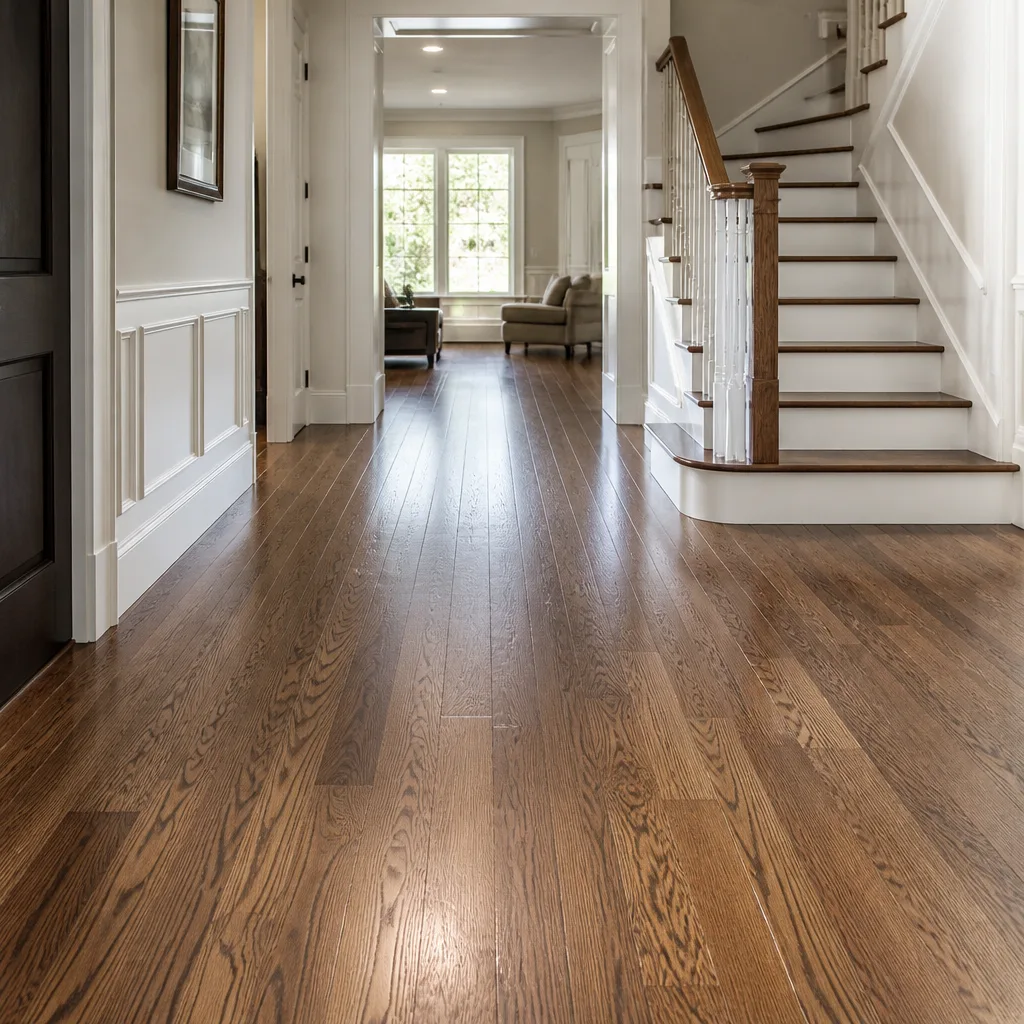 Hardwood
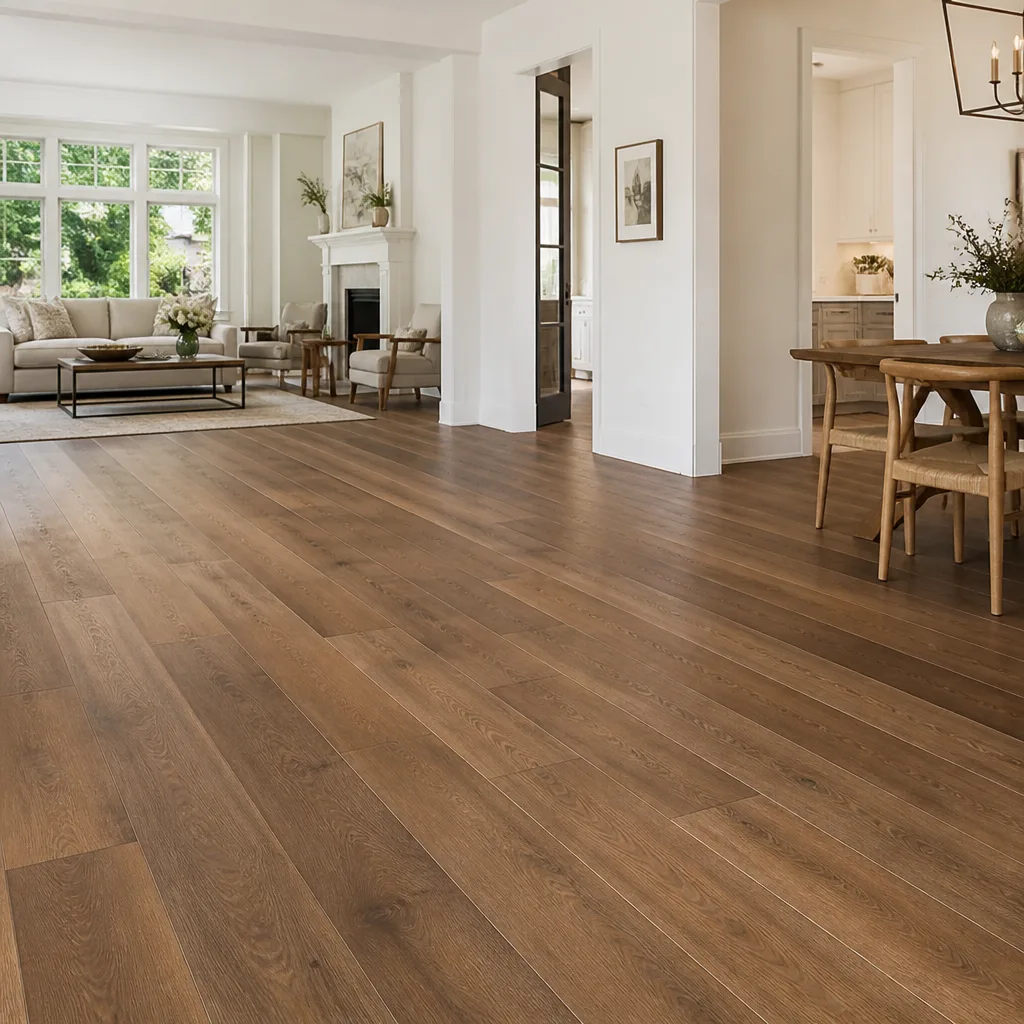 Engineered hardwood
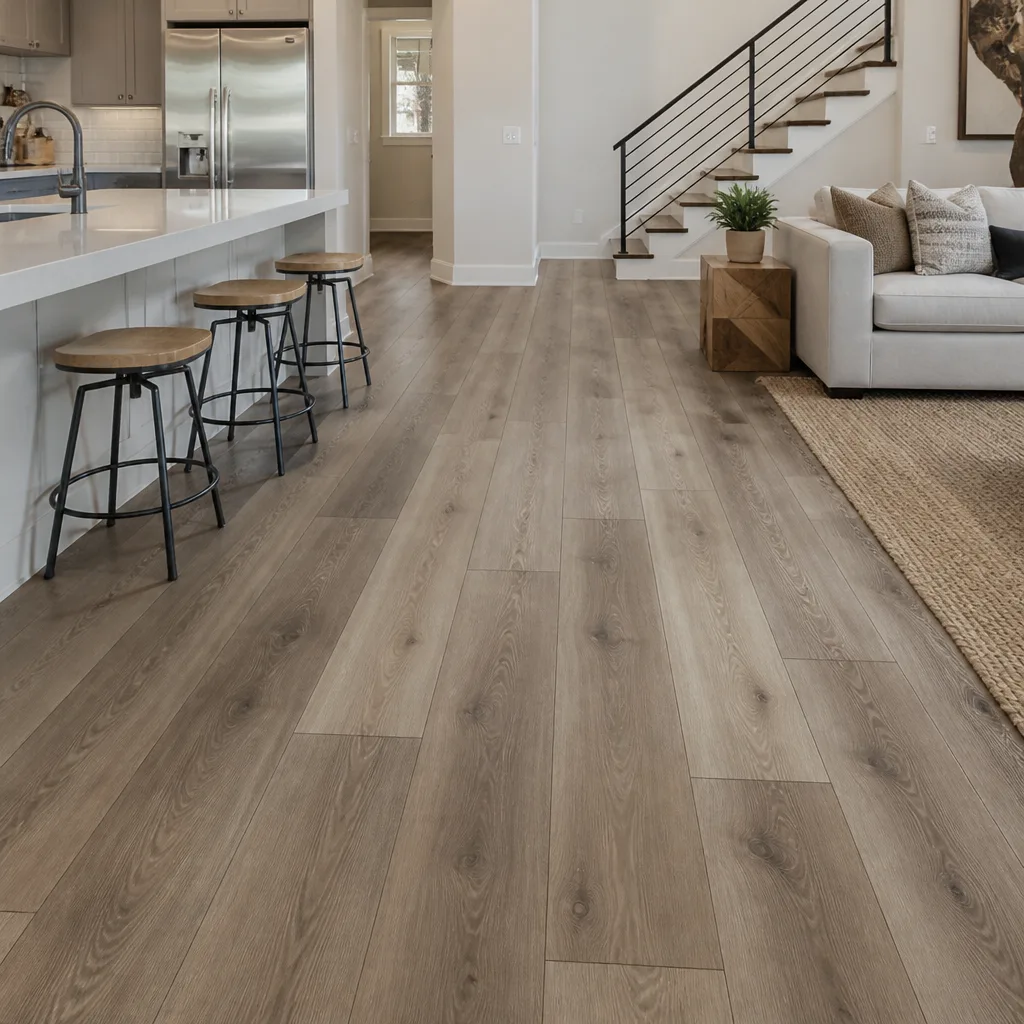 Luxury vinyl plank
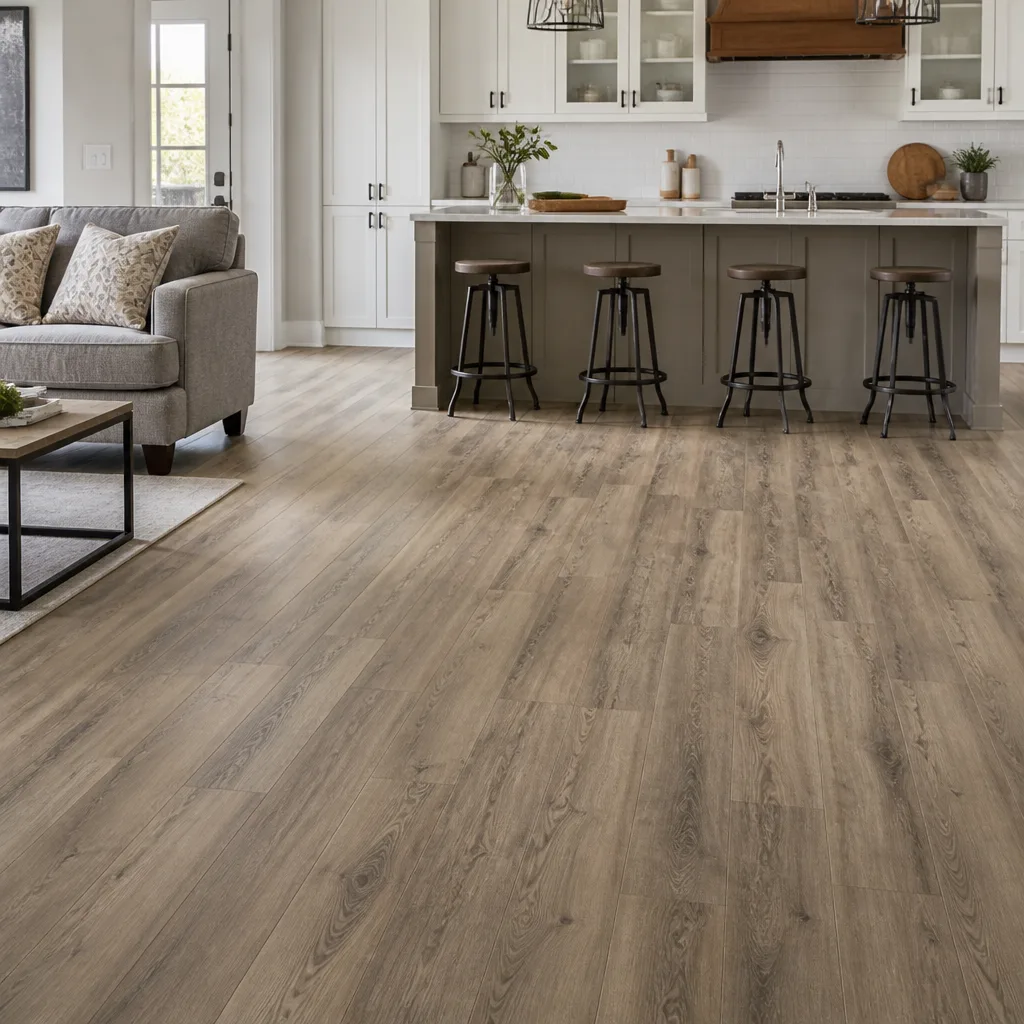 Laminate
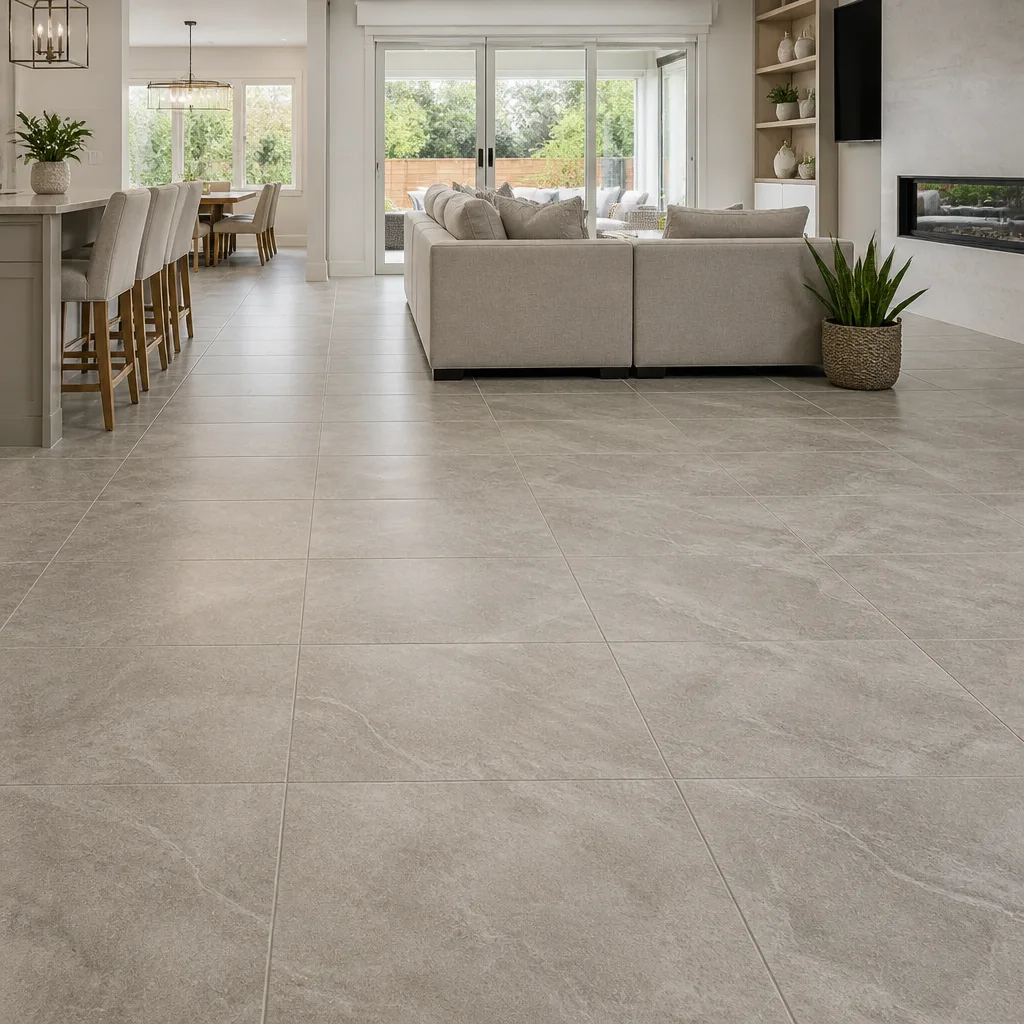 Porcelain tile
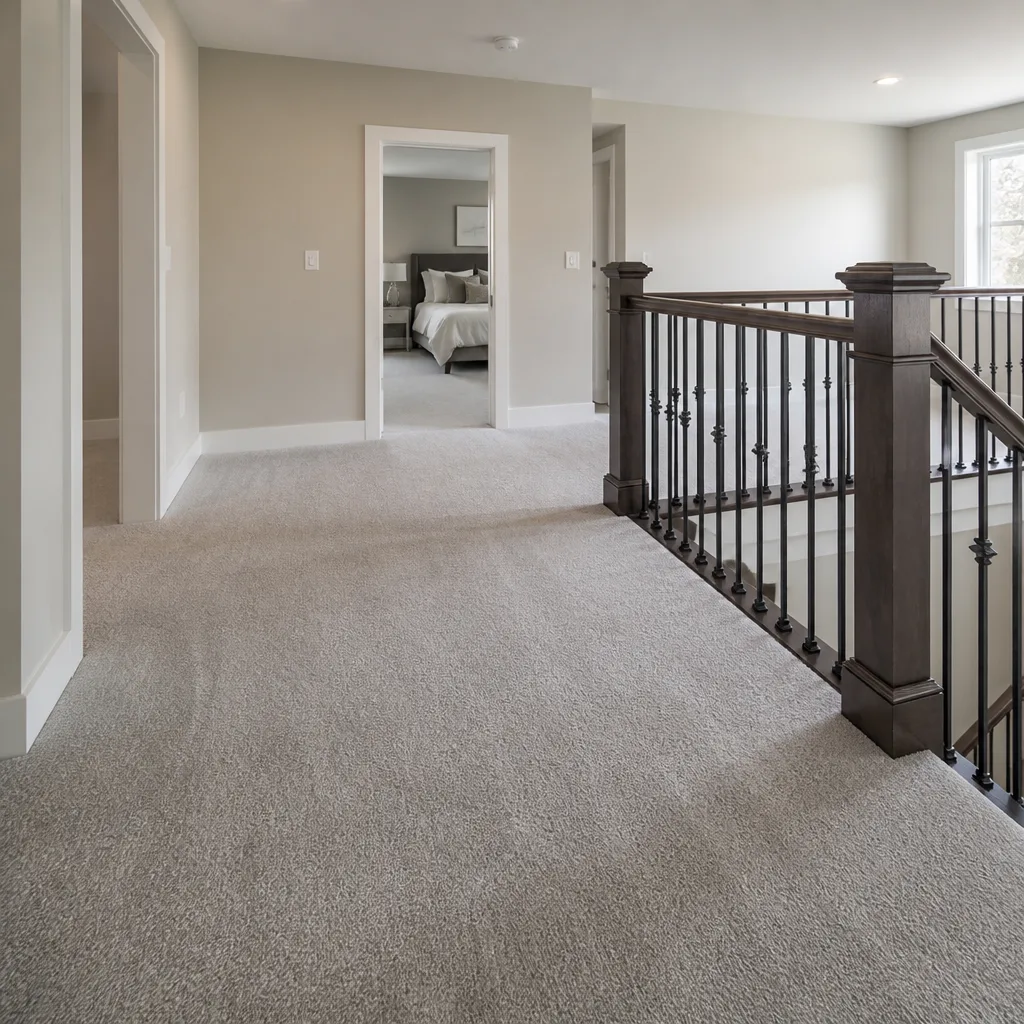 Carpet
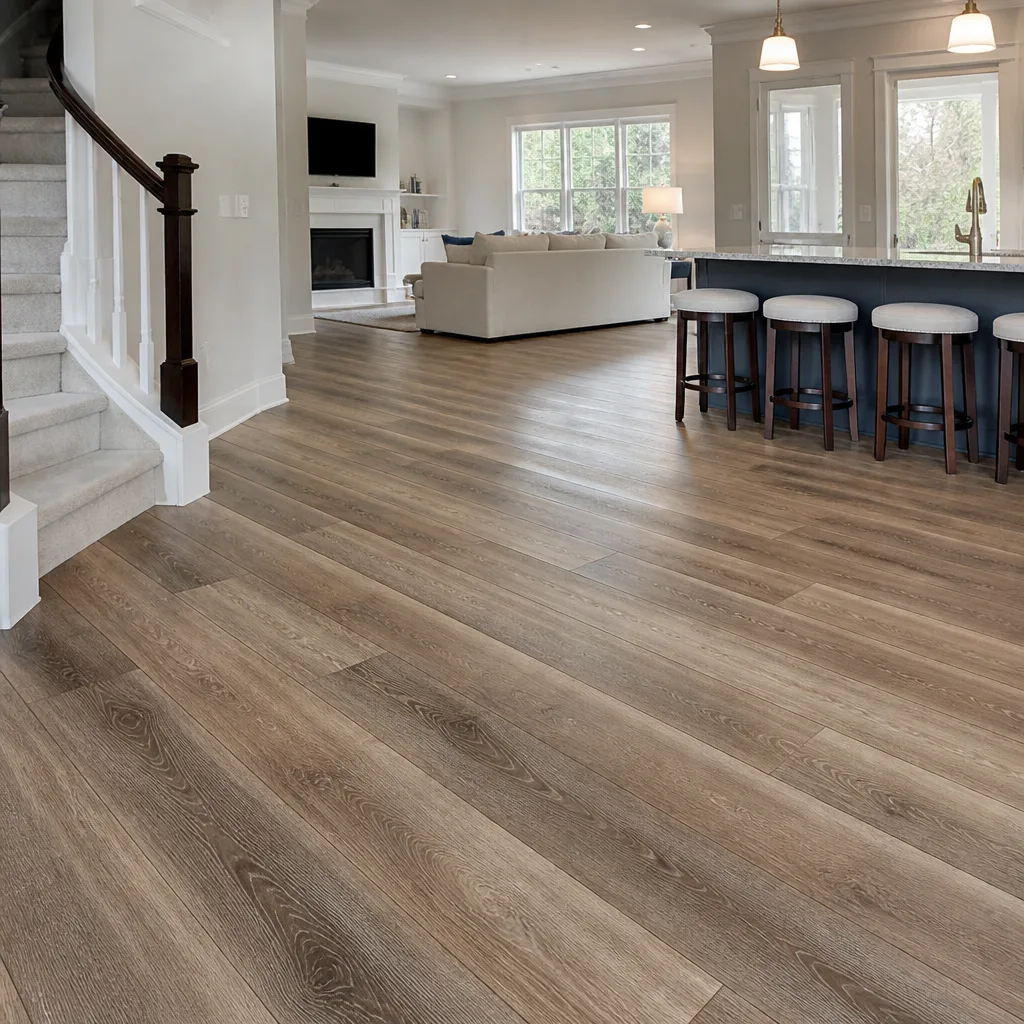 Shaw
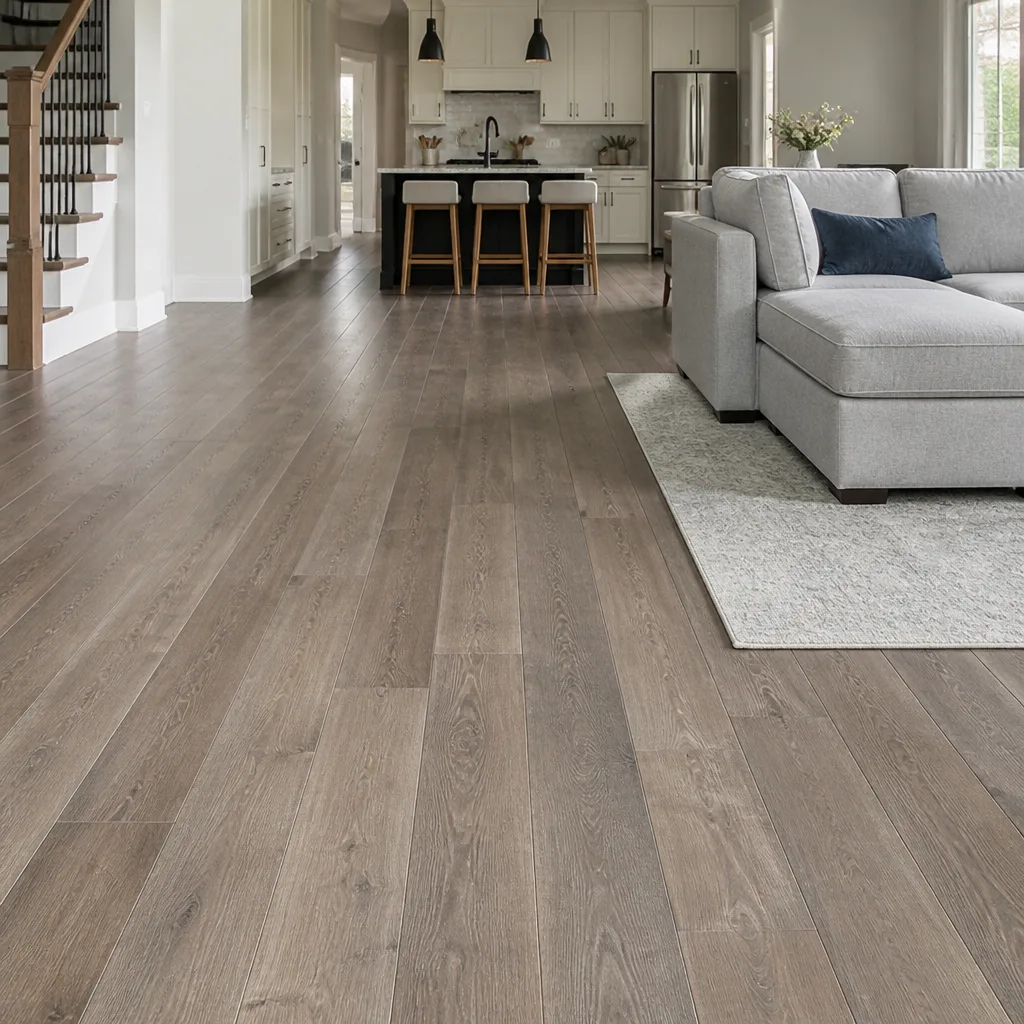 Mohawk
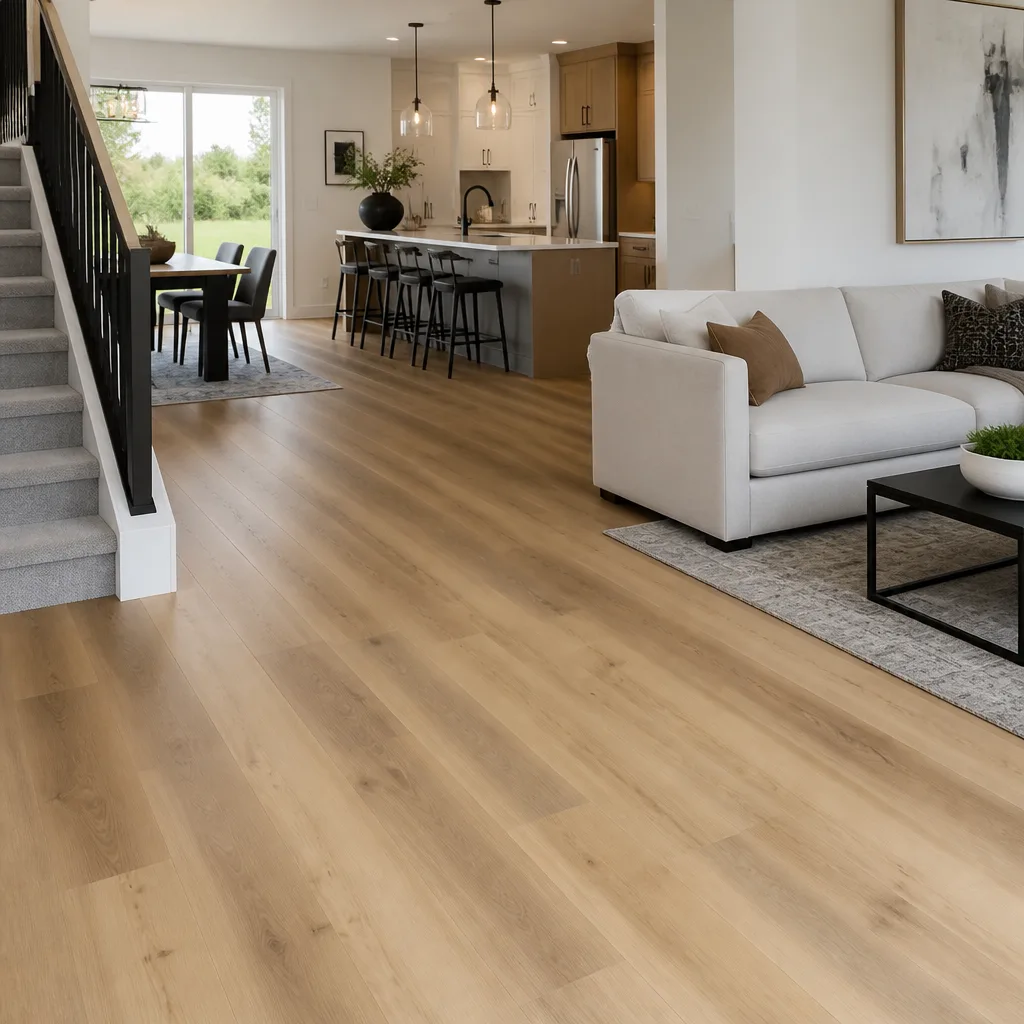 COREtec
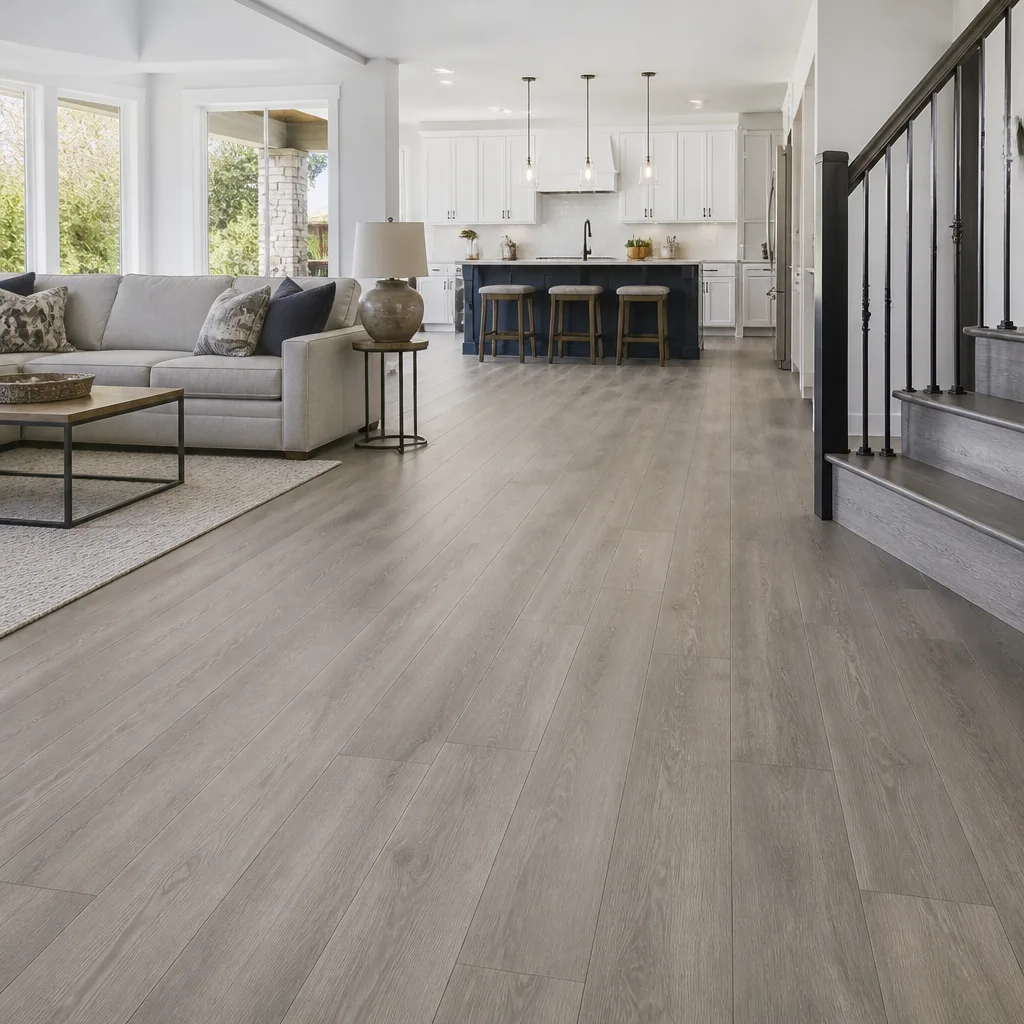 Pergo
Free in-home measure and written estimate: Shaw, Mohawk, COREtec and Pergo lines compared on your own rooms, with carpet, tile, vinyl plank, laminate and hardwood laid out side by side
Get your free estimateFlooring Cost Breakdown: The Mesquite Homeowner’s Reference for 2026
The number on the showroom tag is not the number you’ll pay. That’s the single most useful thing to understand before you start pricing a floor in Mesquite. The $3.99 per square foot luxury vinyl plank you saw advertised can realistically finish at $7 to $9 per square foot installed once labor, underlayment, transition strips, stair nosing, and old-floor removal are priced honestly. Material price and project cost are two different numbers, and most guides blur them together.
This reference separates the two. You’ll see material ranges and labor ranges side by side, learn which line items quotes bury, and find out where spending more upfront actually pays you back over ten years in our dry desert climate.
Quick Answer
Installed flooring in Mesquite typically runs about $4 to $7 per square foot for carpet, $5 to $9 for luxury vinyl plank, $6 to $10 for laminate, $8 to $14 for porcelain tile, and $9 to $15 or more for site-finished hardwood. Those ranges cover material and labor together, before subfloor repair, stair work, furniture moving, or debris haul-off. Every project is priced per job by a free in-home measure and a written estimate, and that written estimate is what sets your final price.
Styles & brands we work with
- Hardwood
- Engineered hardwood
- Luxury vinyl plank
- Laminate
- Porcelain tile
- Carpet
- Shaw
- Mohawk
- COREtec
- Pergo
Table of Contents
- Why Material Price and Project Cost Are Two Different Numbers
- Cost by Flooring Category: Material and Labor Side by Side
- Subfloor Repair: When It’s Unavoidable and When It’s Optional
- The Hidden Line Items Most Quotes Bury
- How to Compare Quotes That Don’t Itemize the Same Things
- Where Spending More Upfront Saves Money Over Ten Years
- How Mesquite’s Dry Climate Changes the Cost Conversation
- How a Flooring Project Actually Gets Priced, Step by Step
Why Material Price and Project Cost Are Two Different Numbers
A flooring quote has two halves, and only one of them is visible on a product tag. Material is the plank, tile, roll, or board itself. Labor is the crew time, the prep, the cutting, the trim work, and the cleanup. In most Mesquite projects, labor runs somewhere between 40 and 60 percent of the total, and it swings based on how much prep the subfloor needs and how many awkward corners the room has.
The reason the gap surprises people is that a living room with clear walls and a flat slab is the easiest possible job, while a hallway with three doorways and a stair run attached is the hardest. Same product, very different total. That’s why we treat a per-square-foot number as a starting point, not a promise.
Three variables move your total the most:
- Room layout. Straight runs and open rectangles install faster than L-shaped rooms with closets, angles, and multiple threshold transitions.
- Subfloor condition. A level, sound slab or wood subfloor needs no repair. A cracked or uneven one does, and that changes the number.
- Old floor removal. Tearing out carpet is quick. Breaking out glued-down tile or a nailed hardwood floor takes real time and adds disposal cost.
We install and source from nine brands, including Karndean, Shaw, Mohawk, and COREtec, and the phrase we use with homeowners is simple: you pick the brand, we handle the installation. That way your material choice stays your choice, and the labor conversation stays honest and separate.
Cost by Flooring Category: Material and Labor Side by Side
Here’s where the sticker number and the installed number separate clearly. The table below shows typical estimated ranges for each major category, with material and labor split out so you can see what each half contributes. These are estimates only, and your written quote is the final word.
| Floor Type | Material (per sq ft) | Labor (per sq ft) | Typical Installed Range |
|---|---|---|---|
| Carpet | $2 to $4 | $2 to $3 | $4 to $7 |
| Luxury vinyl plank | $2.50 to $5 | $2.50 to $4 | $5 to $9 |
| Laminate | $2 to $5 | $3 to $5 | $6 to $10 |
| Porcelain / ceramic tile | $3 to $7 | $5 to $7 | $8 to $14 |
| Site-finished hardwood | $4 to $8 | $5 to $7 | $9 to $15+ |
Tile sits at the higher end because it’s slow, precise work: thin-set, layout, grout, and curing all take time. Hardwood installation sits highest because the boards need to settle to the room before they’re laid, and site-finishing adds sanding and coating on top. Carpet is usually the lowest installed cost because the material and the labor both move fast across an open room.
One thing worth knowing before you shop: water-resistant luxury vinyl plank handles splashes and spills, but no floor is immune to standing water or moisture rising from below. When you’re browsing COREtec or Karndean lines, ask about the wear layer and the core, not just the color. If you want a dedicated walkthrough by category, our carpet installation, tile flooring installation, and refinishing services are the three core disciplines we work in.
Subfloor Repair: When It’s Unavoidable and When It’s Optional
Subfloor repair in Mesquite generally runs about $2 to $6 per square foot, and whether you need it depends entirely on what’s under the old floor. This is the line item most estimates fudge, because a crew can’t always see the subfloor until the old material comes up.
Unavoidable repairs are the ones that will ruin a new floor if skipped:
- Soft or rotted wood patches. A new plank floor laid over soft wood will flex and eventually fail at the seams.
- Cracked or heaved concrete. High spots telegraph through vinyl and laminate and cause hollow sounds and joint stress.
- Loose or crumbling patches of old adhesive. New material needs a clean, sound surface to bond or float over.
Optional repairs are the ones a homeowner can sometimes live with: a minor dip that’s hidden under a rug, or a slight slope that doesn’t affect the material. The honest move is to have the subfloor checked at the measure visit, before the quote is written, so any repair shows up as a named line item rather than a surprise change order.
Here’s the sequence a professional measure follows:
- Pull up a corner or lift a section of the old floor to inspect the subfloor directly.
- Check for level with a straightedge or laser, marking high and low spots.
- Test for moisture on concrete, since moisture rising from below affects bonding and floating floors.
- Price any repair as a separate, labeled line on the written estimate.
If you’re already planning around Mesquite’s dry conditions, the good news is that our low indoor humidity works in your favor. Wood and laminate settle more predictably here than they would in a humid climate, though that doesn’t remove the need for acclimation. The product instructions and your written estimate set the exact timing.
The Hidden Line Items Most Quotes Bury
The most common reason a final invoice lands above the quote is that the quote left off several real costs. When they’re rolled into one per-square-foot number, you can’t see them, and you can’t compare them. Here’s what to watch for.
- Stair nosing and stair work. Stairs are slow and often priced per step, not per square foot, because each tread and riser needs individual fitting.
- Threshold transitions. The strips where flooring meets a doorway, a different room, or a sliding door are often a per-foot charge.
- Furniture moving. Clearing and resetting heavy furniture takes time, and many quotes assume you’ll have the room empty.
- Debris haul-off. Old carpet, padding, tile, and trim all have to leave the house and be disposed of. That’s a real cost.
- Baseboard removal and reinstallation. Many installers pull and reset baseboard and shoe molding; some quote it separately.
- Appliance disconnection and reconnect. A kitchen or laundry floor usually means moving appliances out and back.
None of these are tricks. They’re normal parts of the job. The problem is only when they’re silently added at the end. A clear, itemized estimate shows each one so you can decide what you want and what you’ll handle yourself, like clearing the room the night before.
When brands like Shaw, Mohawk, or COREtec are in play, ask how much material overage the installer is building in for cuts and waste. That number, plus the trim and transition allowances, should appear on the estimate too.
How to Compare Quotes That Don’t Itemize the Same Things
You can’t compare two flooring quotes if one lists material and labor and the other lists only “installed per square foot.” The lower number often just includes less. Comparing fairly means lining up the scope, not the bottom line.
Work through these steps with each quote in hand:
- Match the square footage. Confirm both quotes measure the same area, including closets and hallways.
- Confirm the exact product and brand. A Shaw carpet and a lesser-known carpet with a similar color can sit $2 per square foot apart.
- Check what labor covers. Is removal, prep, baseboard reset, and haul-off inside the labor line, or added separately?
- List extras side by side. Stairs, transitions, appliance moving, and furniture moving should each have their own number.
- Read the prep terms. Ask what happens if the subfloor needs repair after the old floor comes up, and how that cost gets handled.
- Confirm the written estimate is the final price. A real quote holds its number unless the scope changes.
A useful rule of thumb: if a quote is dramatically below the others, something in the scope is missing. Ask what it left out before you sign. If you’re working with a local crew you can reach directly, a phone call clears up the gap faster than email. For homeowners who want that straight answer, you can reach the team at Flooring Mesquite and walk through two quotes line by line.
Where Spending More Upfront Saves Money Over Ten Years
Not every upgrade pays off, but a few do, and in a dry climate like ours they pay back over the years rather than the months. Here’s where the extra dollar per square foot tends to earn its keep.
Subfloor prep done right. This is the least glamorous line on the estimate and the one that protects the floor above it. A flat, sound, dry subfloor keeps floating planks from flexing and keeps tile from cracking. Skipping prep to save money now tends to cost more later.
A better wear layer on luxury vinyl plank. If a room takes a lot of foot traffic, a thicker wear layer over a well-made core holds up better against scratches and scuffs. Brands like Karndean and COREtec offer design-forward lines where you can feel and see the difference in the layer. Ask what the specific product’s wear layer is and compare like for like.
Porcelain over ceramic in wet areas. For a bathroom or laundry room, a denser tile body and a proper grout line hold up better to splash and cleaning than a light ceramic. The labor is similar; the material difference is modest.
Refinishing instead of replacing hardwood. If your existing hardwood is thick enough and in sound condition, refinishing restores it at a fraction of the cost of a new floor. Whether it can be refinished, and whether a stain will match, depends on the wood’s thickness and condition, checked at the estimate visit. This restore-the-floor-you-have option is one big-box installers rarely offer.
On the other hand, not every upgrade is worth it. A premium product under furniture that never moves, in a room that sees little traffic, is money that doesn’t come back. The customer’s budget should set the tier, not the other way around.
How Mesquite’s Dry Climate Changes the Cost Conversation
Our desert conditions shape a few real decisions, and they’re worth naming before you commit to a material. Mesquite sits in a dry, inland valley where indoor humidity stays low and summer heat is intense. Those two facts affect wood, laminate, and how you manage expansion gaps.
Wood and laminate react to moisture in the air. In a very dry climate, boards can shrink slightly, which is why the installer leaves expansion gaps at walls and why acclimation to the room matters. That’s also why the exact acclimation timing isn’t something to guess at. It depends on the product, and the manufacturer’s instructions and the written estimate set it, not a one-size number.
The dry air also means luxury vinyl and tile have an easier time of it, since neither is as sensitive to humidity swings. Tile’s main enemies are movement and a bad subfloor, not the dry air. Carpet is stable in our conditions and comfortable underfoot, though it does need attention in high-traffic paths. And for anyone considering a floor near an entry or a bathroom, remember the water rule: water-resistant surfaces handle spills, but standing water and moisture coming up through the slab still have to be dealt with. No floor removes that responsibility.
If you’re weighing how each material behaves in the local climate, our Mesquite resource page and a free in-home measure are the two best places to start.
How a Flooring Project Actually Gets Priced, Step by Step
Pricing a floor is a scheduled process, not a snap decision. Here’s how it works when you request a free estimate, so nothing on the quote feels like a surprise.
- You call and describe the project. Room size, floor type you’re considering, and whether the old floor needs to come up.
- We schedule a free in-home measure. A technician measures the actual area, checks the subfloor, and looks at doorways, stairs, and transitions.
- You review product options. Because we source from nine brands spanning every major category, you can compare premium lines like Karndean and COREtec against proven value brands on the same visit.
- You get a written, itemized estimate. Material, labor, prep, removal, transitions, and haul-off are listed separately, with the final price set by that written document.
- You book an install day. The schedule is set once the estimate is signed. It’s a planned job, not a same-day drop-in.
That measure visit is where most of the uncertainty gets resolved. Once the subfloor is checked and the room is measured properly, the ranges in this guide tighten into a real number you can plan around. Our technicians have up to 12 years of experience across carpet, tile, and hardwood refinishing, and that breadth is exactly what makes an honest measure possible.
Common Mistakes to Avoid
- Comparing installed prices without comparing scope. A low number that excludes removal, prep, and haul-off isn’t really the same quote. Line up the scope first, then compare the totals.
- Skipping the subfloor inspection. In Mesquite’s dry climate, a cracked or uneven slab won’t fix itself. If it’s not checked at the measure, it turns into a surprise change order later.
- Forgetting stairs and transitions. Steps, doorways, and floor-height changes are often priced separately. Left out of the estimate, they add up fast at the end.
- Buying the product before the room is measured. Ordering material based on a rough guess means either running short mid-job or paying for leftover boxes you can’t return.
- Assuming every hardwood floor can be refinished. It depends on the wood’s thickness and condition. Have it checked at the estimate before you commit to refinishing over replacement.
- Ignoring the moisture question in wet areas. No floor is waterproof against standing water. If a bathroom or entry stays wet, address the water problem before choosing the material.
- Choosing a brand without asking about the core and wear layer. Two planks that look identical can perform very differently. Ask about the build, not just the finish.
See the difference
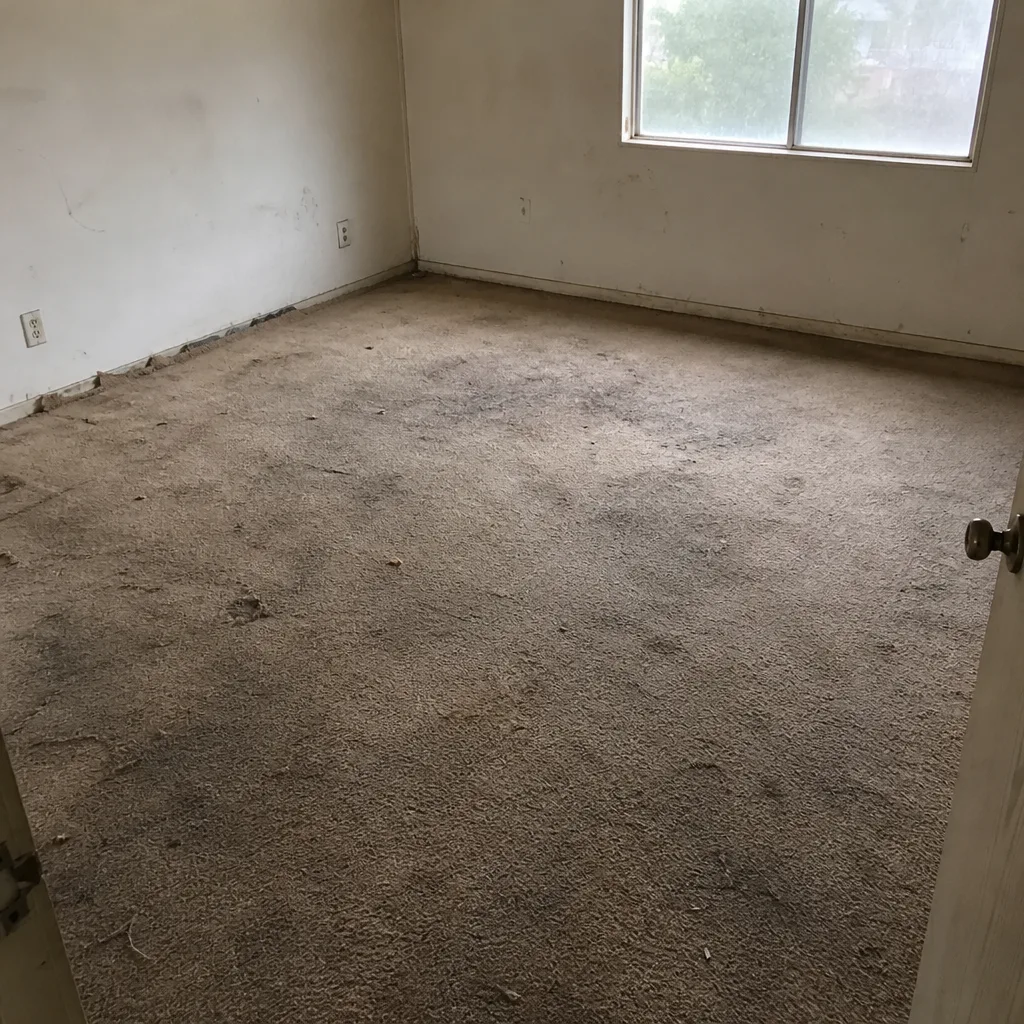 Before
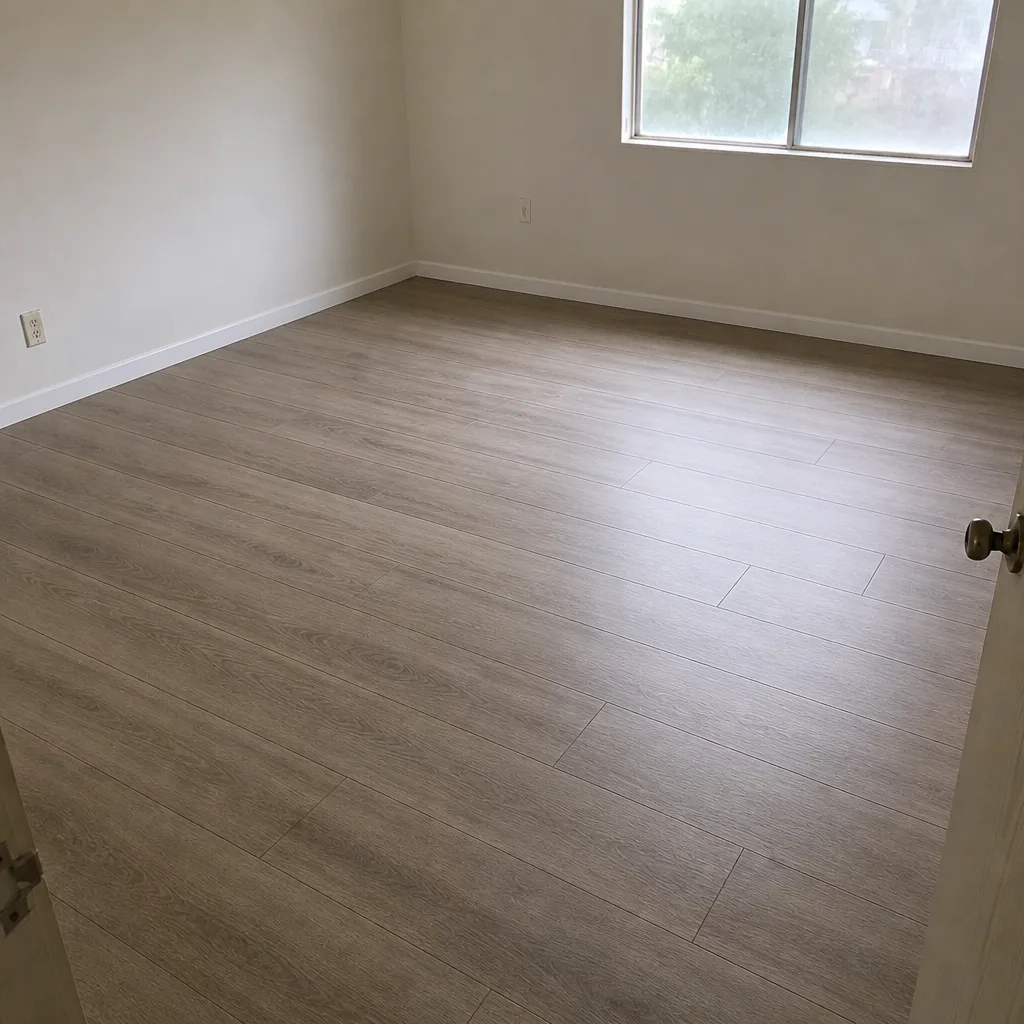 After
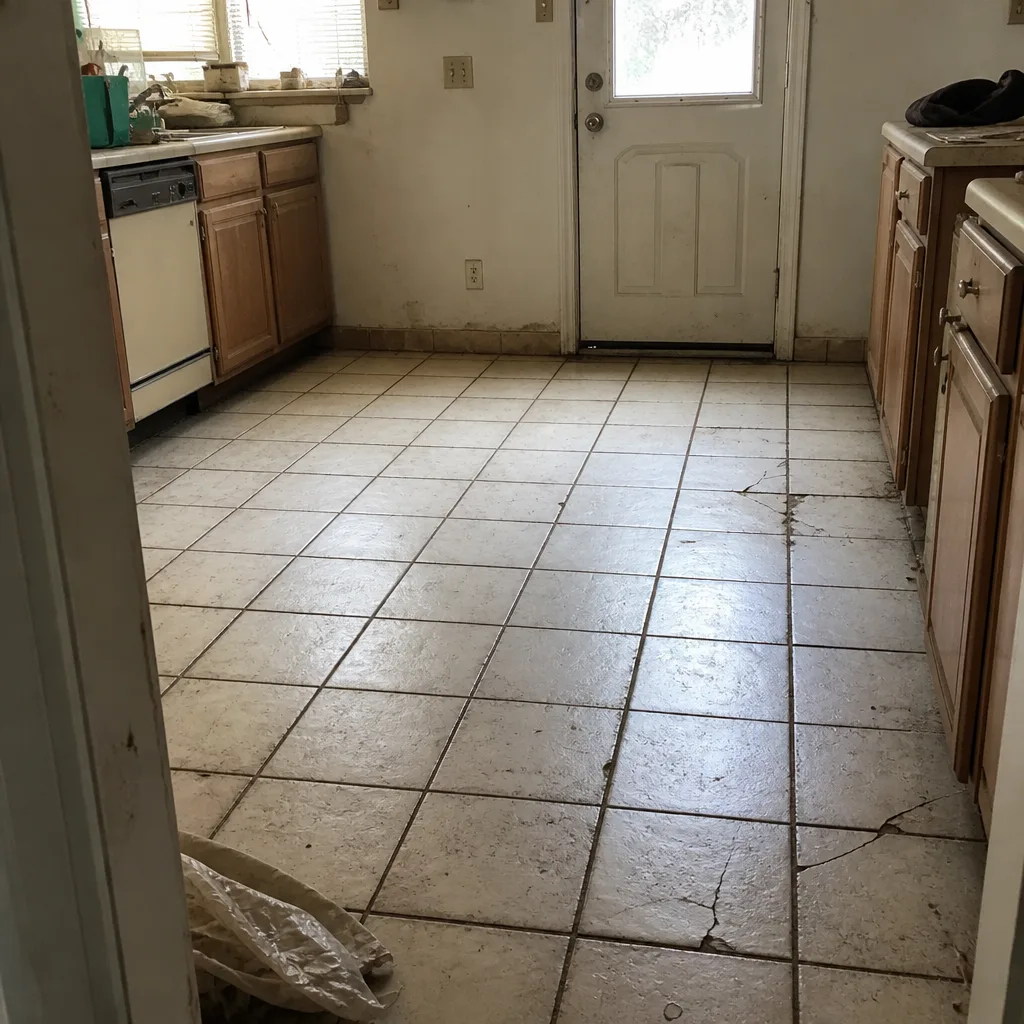 Before
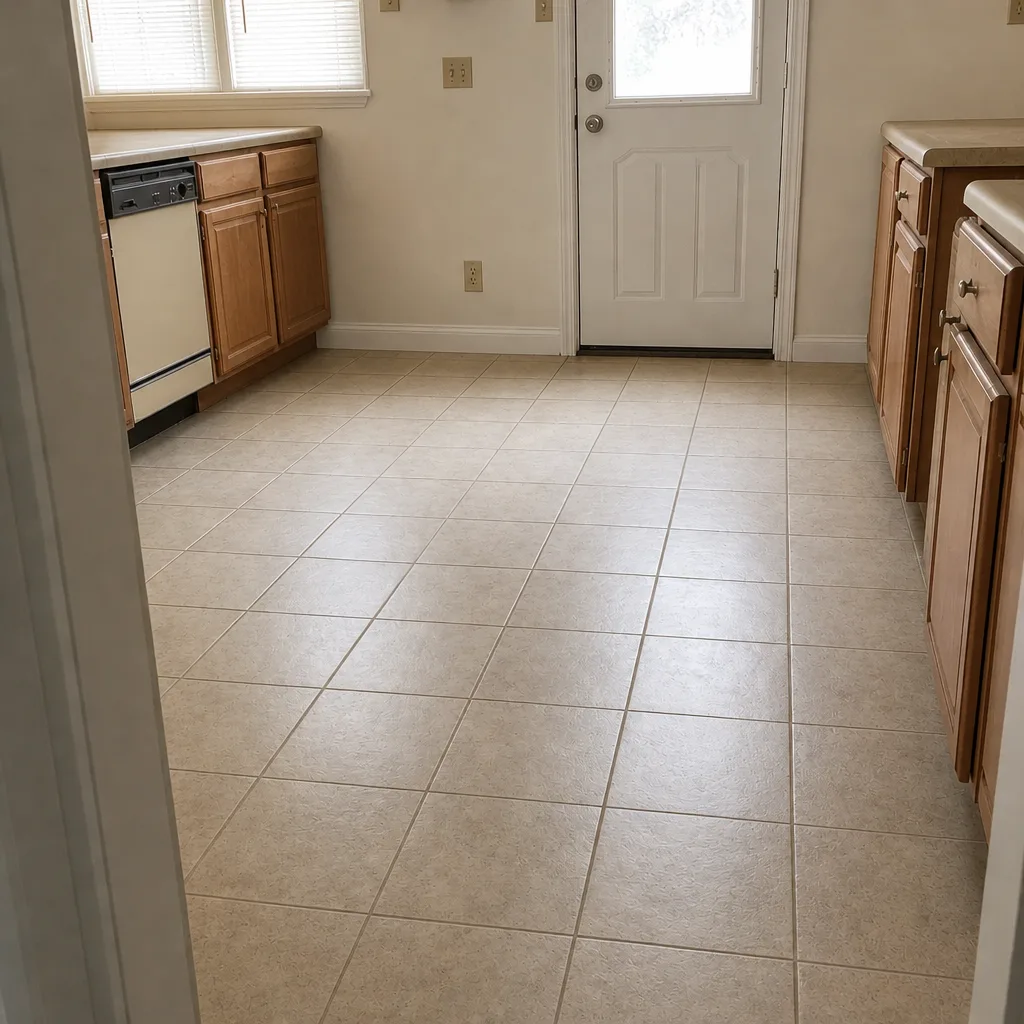 After
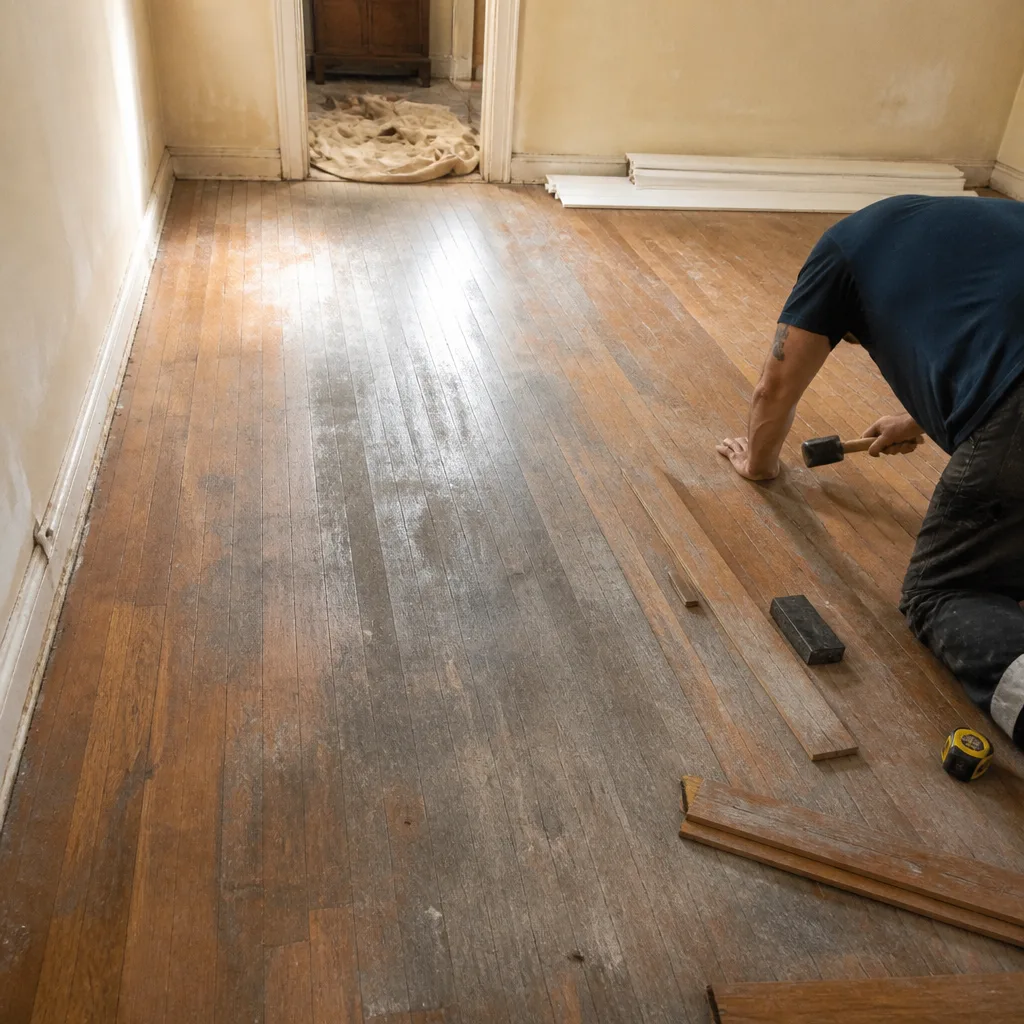 Before
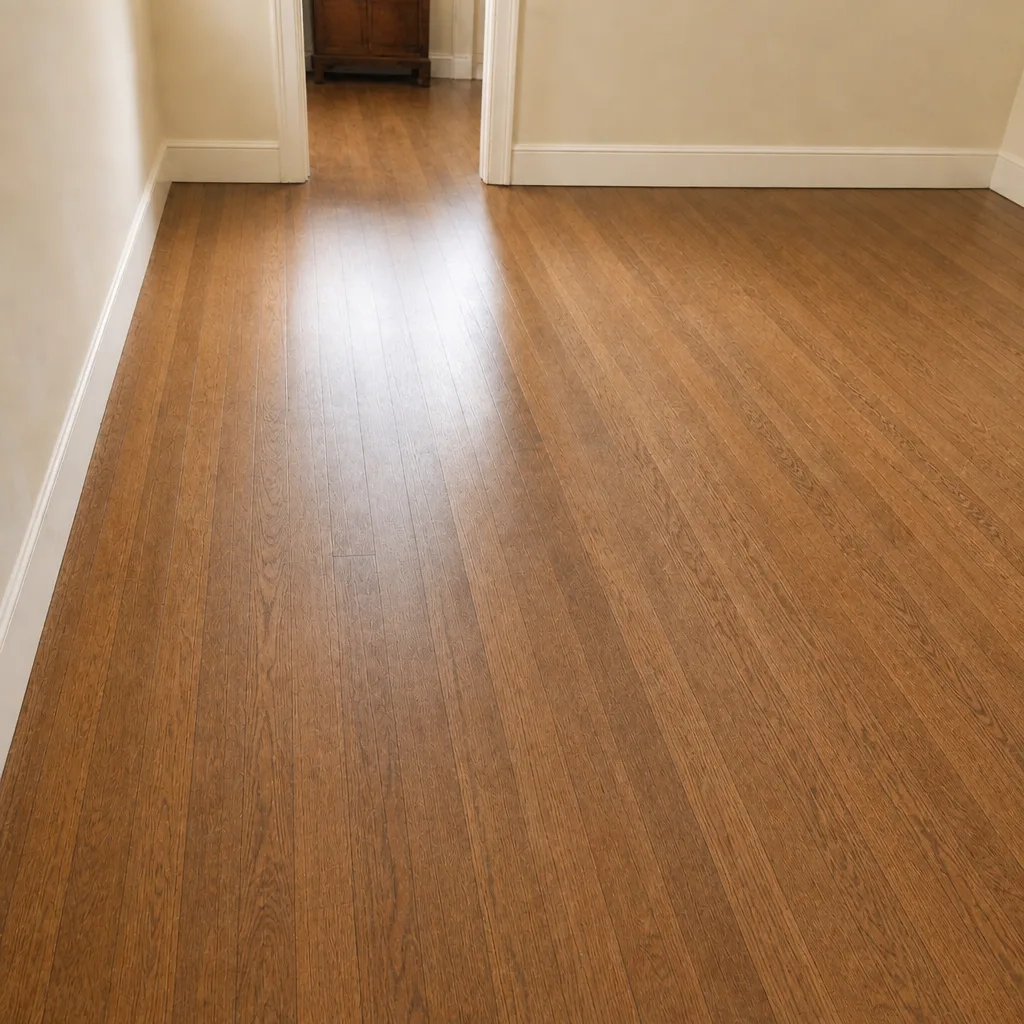 After
When to Call a Professional
Some flooring work is genuinely a professional job. If your subfloor is cracked, uneven, or shows signs of moisture, that needs a trained eye before any material goes down. If you’re pulling out glued-down tile or nailed hardwood, removal is slow, dusty work that’s easy to underestimate. Any stair run, and any room with multiple doorways and transitions, is worth a proper measure. And if you own hardwood you’d like to keep rather than replace, refinishing is a specialized skill that’s far cheaper than a new floor when the wood allows it.
Flooring Mesquite offers free estimates in Mesquite. We install and source from nine brands across carpet, tile, and hardwood refinishing, and the written estimate sets your price with no surprise line items. Call (844) 560-4155 to schedule your free estimate.
Frequently Asked Questions
Installed flooring in Mesquite typically runs about $4 to $7 per square foot for carpet, $5 to $9 for luxury vinyl plank, $6 to $10 for laminate, $8 to $14 for porcelain tile, and $9 to $15 or more for site-finished hardwood. Those ranges include material and labor but exclude subfloor repair, stairs, transitions, furniture moving, and haul-off. Call (844) 560-4155 for an exact quote, since estimates are free and the written estimate sets your final price.
Because the advertised number is material only, and installed cost includes labor, underlayment, transition strips, stair nosing, and old-floor removal. That’s how a $3.99 per square foot plank becomes a $7 to $9 installed total. Ask for an itemized quote so you can see exactly what each line adds. Call (844) 560-4155 for a written, itemized estimate.
No, only when the subfloor actually needs it, but it can’t be ruled out until the old floor is inspected. Subfloor repair in Mesquite generally runs about $2 to $6 per square foot when it’s needed. The best defense is checking it at the measure visit so any repair appears as a named line on the estimate. Call (844) 560-4155 to schedule a free in-home measure.
Refinishing is usually far cheaper than replacement when your existing hardwood is thick enough and in sound condition. Whether your floor qualifies, and whether a stain will match a sample, depends on the wood’s thickness and condition, checked at the estimate visit. Call (844) 560-4155 for a free assessment of your hardwood.
Tile and luxury vinyl plank are the least sensitive to our low indoor humidity, while wood and laminate need proper acclimation and expansion gaps to settle predictably. The right choice depends on the room and how it’s used, not a single best material. Call (844) 560-4155 and we’ll walk you through the options for your space.
Yes, the estimate is free, and it includes an in-home measure and a written, itemized quote. The install itself is a scheduled job booked after you approve the estimate, and the timeline depends on the room, material, and prep required, so it’s set at the estimate rather than promised in advance. Call (844) 560-4155 to schedule your free estimate.
The Bottom Line
Flooring cost in Mesquite comes down to understanding the two halves of a quote: material and everything else. Carpet sits around $4 to $7 installed, luxury vinyl plank $5 to $9, laminate $6 to $10, porcelain tile $8 to $14, and site-finished hardwood $9 to $15 or more, all before subfloor repair, stairs, transitions, removal, and haul-off. Compare quotes on scope, not just the bottom line, check the subfloor before you buy, and spend more where it lasts: prep, wear layer, and refinishing good hardwood instead of replacing it. Nine brands, one contractor, and a written estimate that names every line. Call (844) 560-4155 to schedule your free estimate.
Written by the team at Flooring Mesquite.