
Last updated November 17, 2026
 Hardwood
 Engineered hardwood
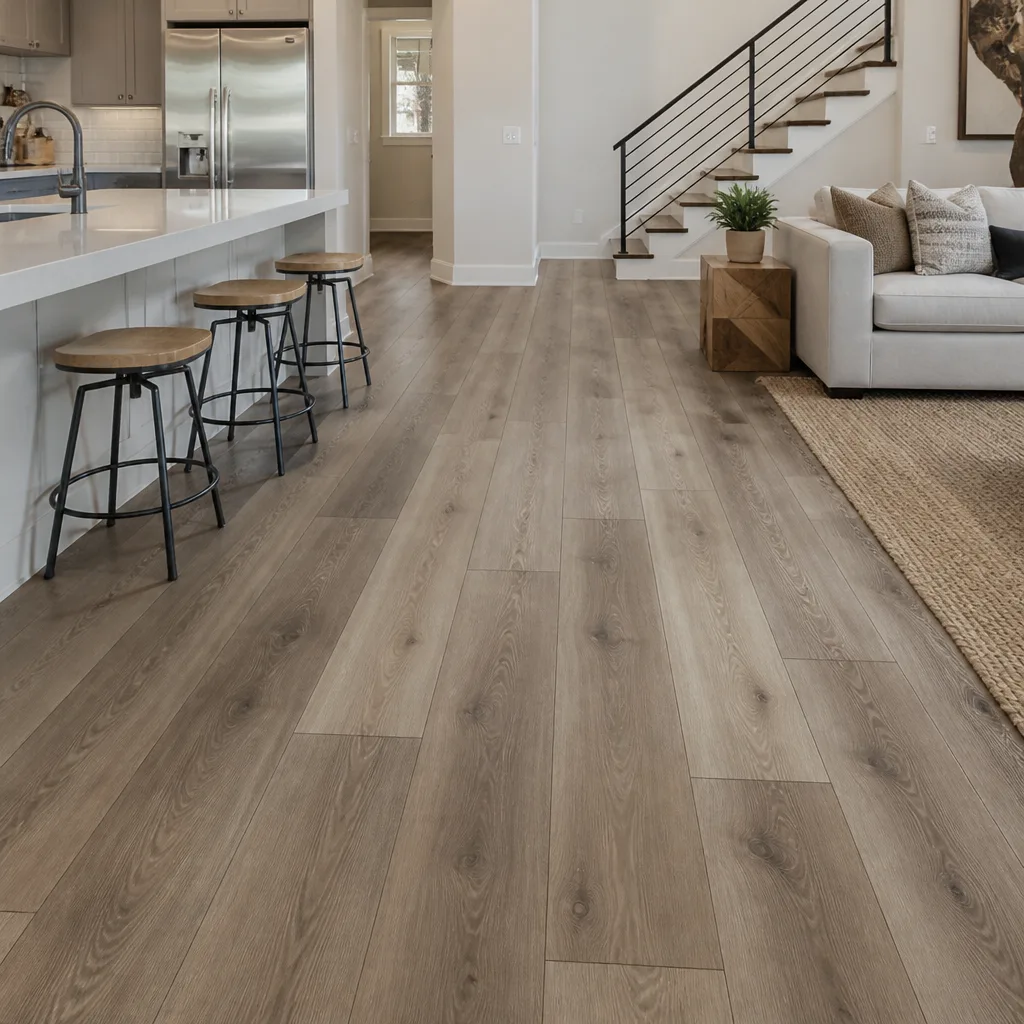 Luxury vinyl plank
 Laminate
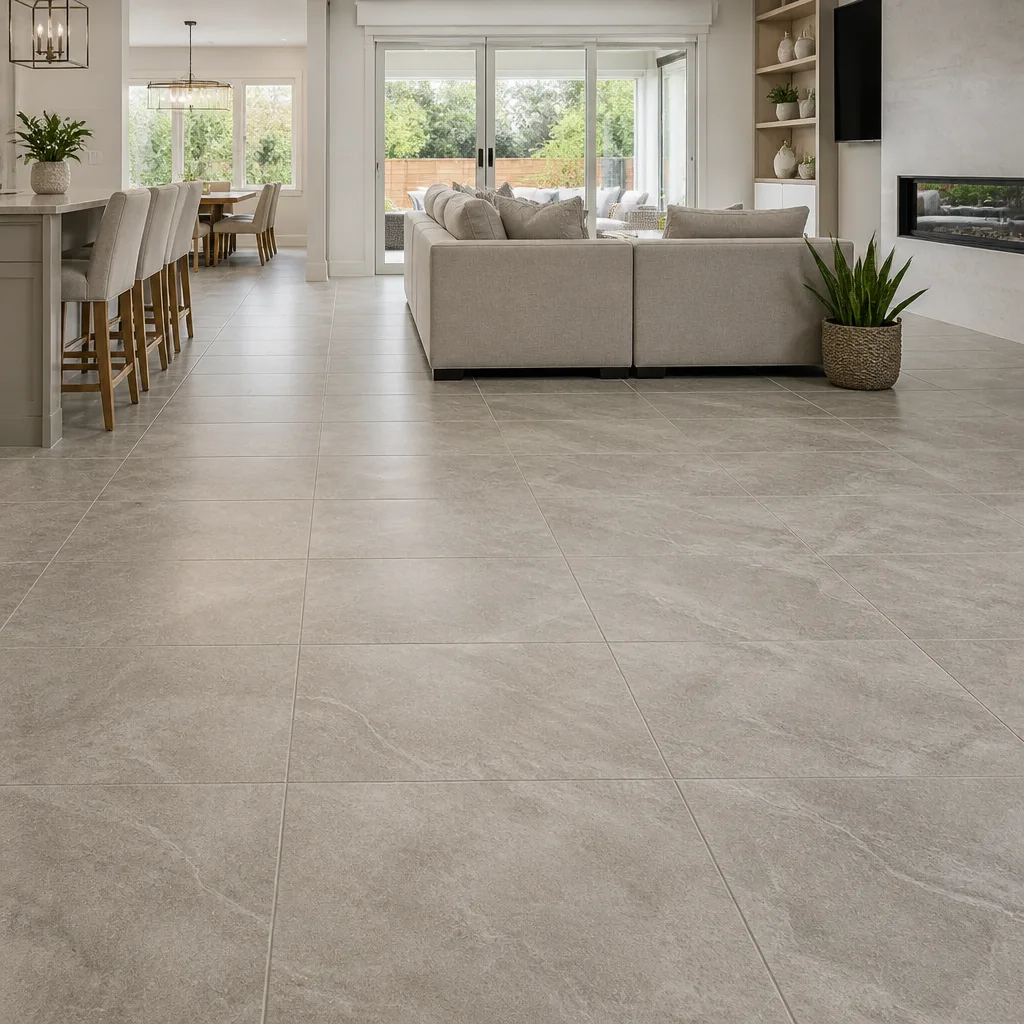 Porcelain tile
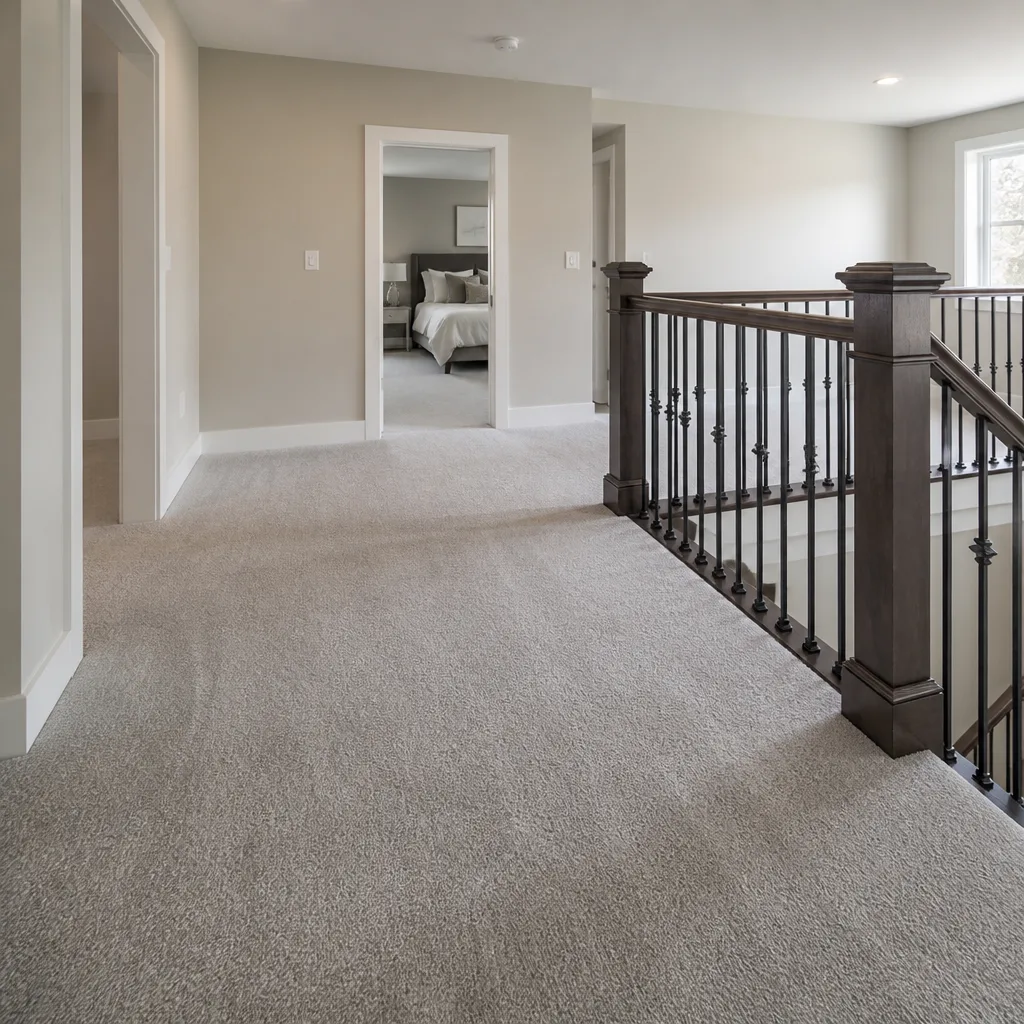 Carpet
 Shaw
 Mohawk
 COREtec
 Pergo
Free in-home measure and written estimate: Shaw, Mohawk, COREtec and Pergo lines compared on your own rooms, with carpet, tile, vinyl plank, laminate and hardwood laid out side by side
Get your free estimateFlooring Installation Questions to Ask Before You Sign
Most homeowners walk into a flooring decision with a folder of questions about color, wear, and price per square foot. Those are the easy ones. The questions that actually decide whether you’re protected two years down the road are the ones nobody puts on a pretty list. Who physically installs the floor? What happens when a plank lifts or a seam splits? If there’s a warranty claim, do you call the installer, the brand, or the person who sold you the material? In Mesquite, where the desert heat and dry air put real stress on any floor, the answers to those uncomfortable questions matter more than the finish you pick. This guide walks you through the ones worth asking.
Quick Answer
The questions that protect you most are about accountability, not appearance. Ask who will install the floor and whether they’re your contractor’s own tradespeople or rotating subcontractors, ask exactly what the quote includes and what triggers a change order, and ask who handles a warranty claim in year two: the installer, the manufacturer, or you. If the answers are vague, the protection is thin. A written estimate and a clear chain of responsibility are worth more than any single brand name on the box.
Styles & brands we work with
- Hardwood
- Engineered hardwood
- Luxury vinyl plank
- Laminate
- Porcelain tile
- Carpet
- Shaw
- Mohawk
- COREtec
- Pergo
Table of Contents
- Who’ll Actually Install the Floor?
- What Does the Quote Actually Cover?
- How Do Material and Installation Warranties Stack?
- What Triggers a Change Order, and How Is It Priced?
- Which Brands Can You Actually Source?
- How Does the Mesquite Climate Affect Your Choice?
- Should You Refinish Instead of Replace?
- Who Do I Call After the Install Is Done?
Who’ll Actually Install the Floor?
This is the question that separates a protected purchase from a gamble. Ask directly: will the people laying this floor be your tradespeople, or will this be handed to a subcontractor I’ve never met? A good contractor answers without hesitation. An evasive answer usually sounds like “we use a network of installers” or “it depends on scheduling.” That’s not a disqualifier by itself, but you deserve to know how that network is vetted and who holds the responsibility when something goes wrong.
In our experience, the flooring category suffers from this more than most trades. A flooring job can pass through three hands: the salesperson, the scheduling coordinator, and the person with the knee pads. If those are three separate companies, you’ve got three different incentives and no single point of accountability. The homeowner ends up as the project manager, which is exactly what you’re paying to avoid.
Here’s how to read the room:
- Confident answer – “Our tradespeople handle the install, and here’s who you’ll deal with if anything needs fixing.” Clear ownership.
- Neutral answer – “We work with a small group of installers we’ve vetted.” Acceptable if they can describe the vetting and name the accountability chain.
- Evasive answer – “We’ll find someone available.” Walk away. You’ve just learned you’re hiring a dispatcher, not a flooring contractor.
Ask a follow-up: “If my installer has a question about my subfloor, who does he call?” A contractor with real trade depth has an answer. In Mesquite, where slab-on-grade construction is common and subfloor prep is often the invisible cost that makes or breaks a floor, that answer tells you whether the person on site has backup or is on their own.
What Does the Quote Actually Cover?
The number on a low quote is almost always lower because something got left out. Not because the work is cheaper. Your job as the homeowner is to find out what’s missing before you sign, not after the installer shows up with a pry bar and a change-order form. This is where a written, line-item estimate beats a single round number every time.
Ask the contractor to walk you through the quote line by line and tell you what is not included. The items that quietly disappear from a low bid tend to be the same ones across the trade:
- Furniture and appliance moving – who empties the room, and is there a charge if the room isn’t clear?
- Old floor removal and disposal – tear-out, hauling, and dump fees are real costs that vanish from tight quotes.
- Subfloor prep – leveling, patching cracks, filling low spots. The biggest hidden variable in any install.
- Baseboards and trim – removal, reinstallation, or new base. Ask who owns this line.
- Transition strips and thresholds – the small pieces where a floor meets another room or a doorway.
- Stairs – if stairs are involved, they’re often priced per step, not per square foot.
- Moisture testing – especially over a concrete slab, which is standard in much of Mesquite.
When a contractor lists these out, you’re not being nickel-and-dimed. You’re being shown the real cost of doing it right. Ask plainly: “Is there anything in this quote that could add to my final bill that I’m not seeing?” The answer should be honest and specific.
How Do Material and Installation Warranties Stack?
This is the question most homeowners forget to ask, and it’s the one that reveals everything about your actual protection. Flooring usually comes with two separate warranties layered on top of each other: a material warranty from the manufacturer, covering the product itself, and an installation warranty from the contractor, covering the labor. The gap between them is where homeowners get stuck.
Here’s the uncomfortable scenario: in year two, a plank starts to lift, a seam separates, or a tile pops loose. Who handles it? You call the manufacturer, and they ask whether it was installed to their spec. You call the installer, and they point at the material. You call the contractor, and now everyone is looking sideways. The answer you want before signing is: “We stand behind the installation our tradespeople performed, and we’ll work with you on a material claim even if the manufacturer is the one who resolves it.” That’s a real chain of responsibility, not passing the buck.
Ask these specific questions before you sign:
- What exactly does the installation warranty cover, and for how long?
- What voids the material warranty? (Subfloor condition and moisture are the usual culprits.)
- If a claim spans both, who coordinates it: me, or you?
- Do I get the warranty documents in writing, with the model and product listed?
For brands like Shaw, Mohawk, COREtec, and Pergo, the material warranty terms differ, and it’s worth reading the actual document rather than trusting a verbal summary. What you’re really evaluating is whether one person will own the outcome with you.
What Triggers a Change Order, and How Is It Priced?
A change order isn’t a dirty word. It’s how a contractor handles the reality that a floor sometimes hides surprises, especially under a carpet you’ve had down for a decade. The question isn’t whether one might happen. It’s how the contractor flags it, prices it, and gets your approval before the work moves forward.
Ask this plainly: “If the installer finds something under the floor, what happens next?” The right answer is process. The installer stops, documents the issue, and someone walks you through it before any extra charge is added. The wrong answer is a surprise on the final invoice. That’s not a change order; that’s a bill.
Questions that flush out the process:
- What typically triggers a change order on a job like mine? (Listen for subfloor damage, moisture, or unexpected transitions.)
- How is each additional item priced: by the square foot, by the hour, or as a flat line item?
- Will I see it in writing before you start the extra work?
- Who approves it: me directly, or do you book it in and tell me after?
Ask about contingency. Some contractors build a reasonable allowance into the estimate for subfloor or removal surprises. That’s not padding; it’s honesty. If a Mesquite homeowner’s slab has cracks or a low spot, the estimate should acknowledge it’s a possibility and tell you how it would be handled. A quote that pretends the subfloor is perfect when nobody’s checked it yet is worth a second look.
Which Brands Can You Actually Source?
The brand question isn’t really about brand. It’s about whether your contractor can offer options at every price point, or whether you’re about to be steered to the one product line they carry. Ask which brands they’re authorized to install and source, and then ask why they carry those and not others. A single-brand shop has a reason. Sometimes it’s a good one. Often it’s a margin.
At Flooring Mesquite, we source and install from nine brand partners: Shaw, Mohawk, COREtec, Pergo, LifeProof, Mannington, Armstrong, Daltile, and Karndean. That range spans your budget, from proven value lines up to premium design-led products, so the conversation can start with what you want to spend rather than a single price tier. You pick the brand. We handle the installation.
Carpet, tile, and hardwood each have their own leading names, and the brands that dominate one category aren’t necessarily strong in another. Ask your contractor to name a specific recommendation in the category you care about, and ask why. A contractor who knows the products gives you a reason rooted in material performance, not a pitch. Daltile, for instance, is a tile-specific name. COREtec and Karndean lean heavily into luxury vinyl plank. Shaw and Mohawk cover a lot of ground. None of those names should be a substitute for judgment, but the breadth tells you the contractor can afford to answer the question honestly instead of steering you to the only box on the shelf.
How Does the Mesquite Climate Affect Your Choice?
This is a question most national flooring guides skip, and it’s the one most relevant to anyone in Mesquite. The desert climate here is hard on certain materials and forgiving on others. Ask your contractor how their recommendation handles this specific environment, and listen for whether they can answer in terms of the product, not just in terms of what they have in stock.
The relevant factors in Mesquite and the surrounding valley:
- Low humidity and dry air – wood-based products move with changes in moisture, and in a dry climate they tend to shrink more than they swell. This is why acclimation and gap allowances matter, and why the installer’s judgment on expansion space isn’t a detail to skip.
- Hot summers, air conditioning running hard – floors, especially over a slab, see temperature changes interior and exterior. Some materials handle this better than others.
- Concrete slab construction – common in the region, which means moisture testing and slab prep are part of the job, not an optional add-on.
- Sun exposure – south- and west-facing rooms get strong light, and light exposure affects certain products over time. Ask how the material handles it.
Ask your contractor: “How does this product perform in a dry climate with hot summers?” A confident, material-specific answer tells you they’ve thought about it. A shrug tells you they’re installing the same product in Mesquite they’d install anywhere, and that’s not the same thing. Our technicians have up to 12 years of experience across carpet installation, tile flooring installation, and hardwood refinishing, and a big part of what that experience buys you is local judgment.
Should You Refinish Instead of Replace?
If you’re weighing replacement on a home with real hardwood, ask the question anyway: “Can this floor be refinished?” A dedicated hardwood refinishing service is a genuine alternative to replacement, and big-box installers often won’t offer it because it’s not what their business is built around. For a homeowner in Mesquite looking at a tired hardwood floor, refinishing can restore a floor you already like without the cost and disruption of a full tear-out, provided the wood can take it.
Not every floor can be refinished. It depends on the thickness of the wood and its condition, which is checked at the estimate visit, not over the phone. Ask specifically what the contractor looks for: how much wear layer remains, how deep the existing scratches go, and whether the floor has been refinished before. And ask what happens if a stain sample doesn’t match. Nobody should promise a perfect match; the honest answer is that it depends on the wood and it’s something you assess together.
The other question: “If I refinish, do I get an installation warranty, or something separate?” Refinishing is its own service with its own scope, so the warranty and the written estimate should reflect that. Ask for both in writing.
Who Do I Call After the Install Is Done?
The last question is the one that determines whether you’re actually protected after the last plank is laid. Ask for a name, a phone number, and a written commitment. Not a business card and a handshake. A document that says: here’s who to call, here’s what happens next, and here’s the response standard we hold ourselves to.
What to ask for in writing:
- Who is my point of contact after the install?
- What’s the response time if I call about an issue?
- What documentation do I have in writing? The estimate, the warranty terms, the material specification, and the install record.
- What’s the process if I disagree with the resolution?
Keep everything. The estimate, the signed acceptance, the product specification sheet, and the warranty documents. These four pieces are the actual record of what you bought, and they’re what you’ll refer to if anything ever goes wrong. A contractor who hands them over without being asked is a contractor who expects to be held to them. A contractor who doesn’t is telling you something.
Common Mistakes to Avoid
- Signing on price alone. The lowest number is usually the one with the most line items missing. Read the scope before you read the bottom line.
- Not asking who installs. Rotating subcontractors aren’t automatically bad, but no single point of accountability is. Ask, and don’t accept a vague answer.
- Assuming the warranty is one document. It’s almost always two: material and installation. The gap between them is where claims go to die. Ask how the contractor bridges it.
- Skipping subfloor questions. In Mesquite, slab-on-grade construction means subfloor condition is often the real variable. Ask what happens if the installer finds cracks or a low spot.
- Buying a product without knowing who’s accountable for it. A great brand installed to the wrong spec is a problem waiting to happen. The installer matters as much as the box.
- Ignoring the climate. Dry air and hot summers affect different materials differently. Ask how the product handles the local environment, not just the showroom.
- Not requesting the documentation. If you don’t have the warranty terms, the estimate, and the product spec in hand, you don’t know what you bought.
See the difference
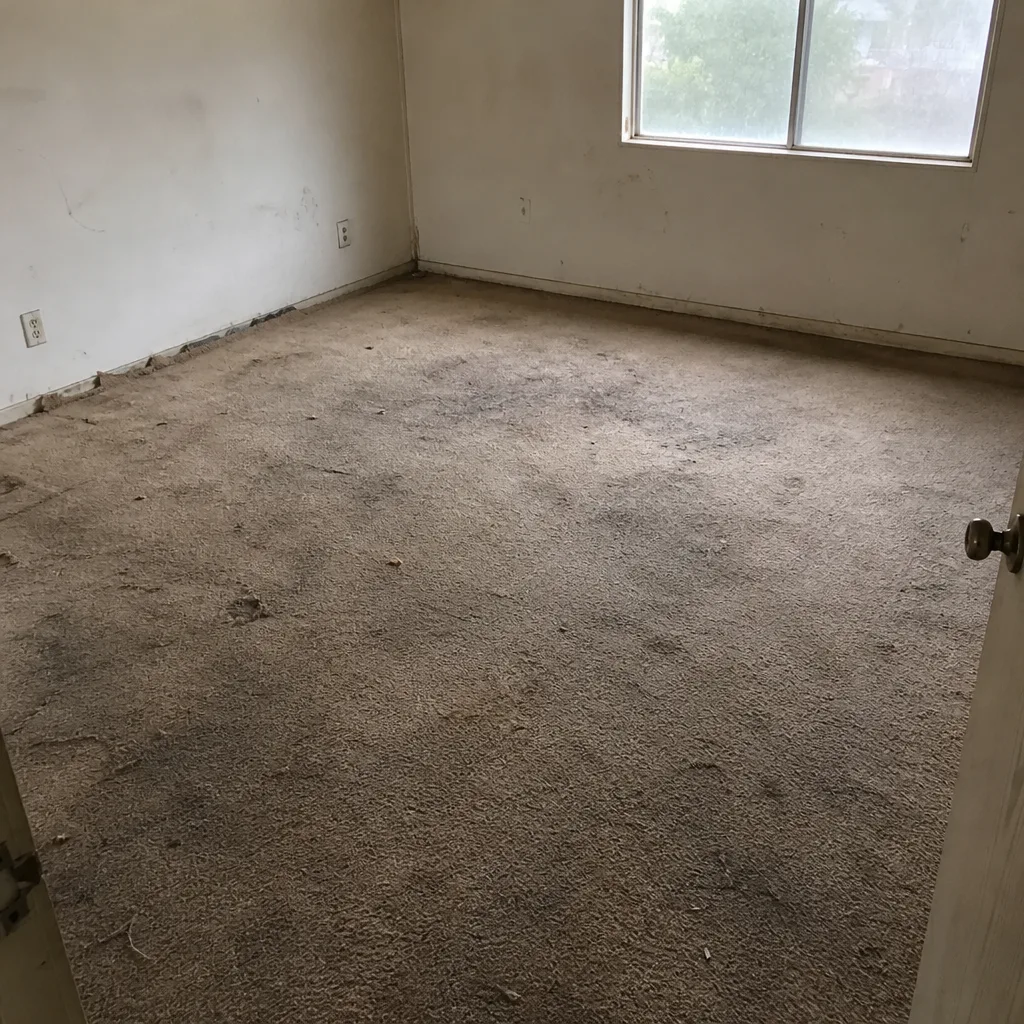 Before
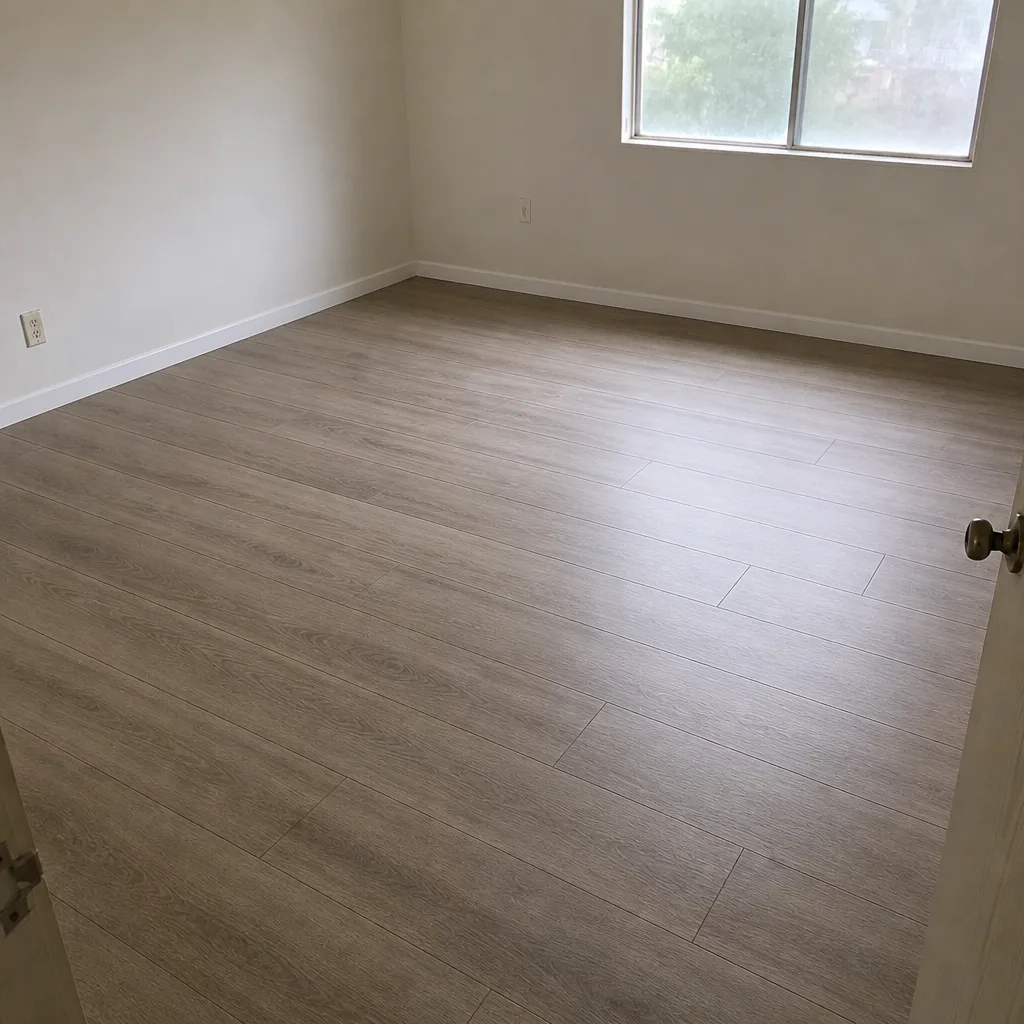 After
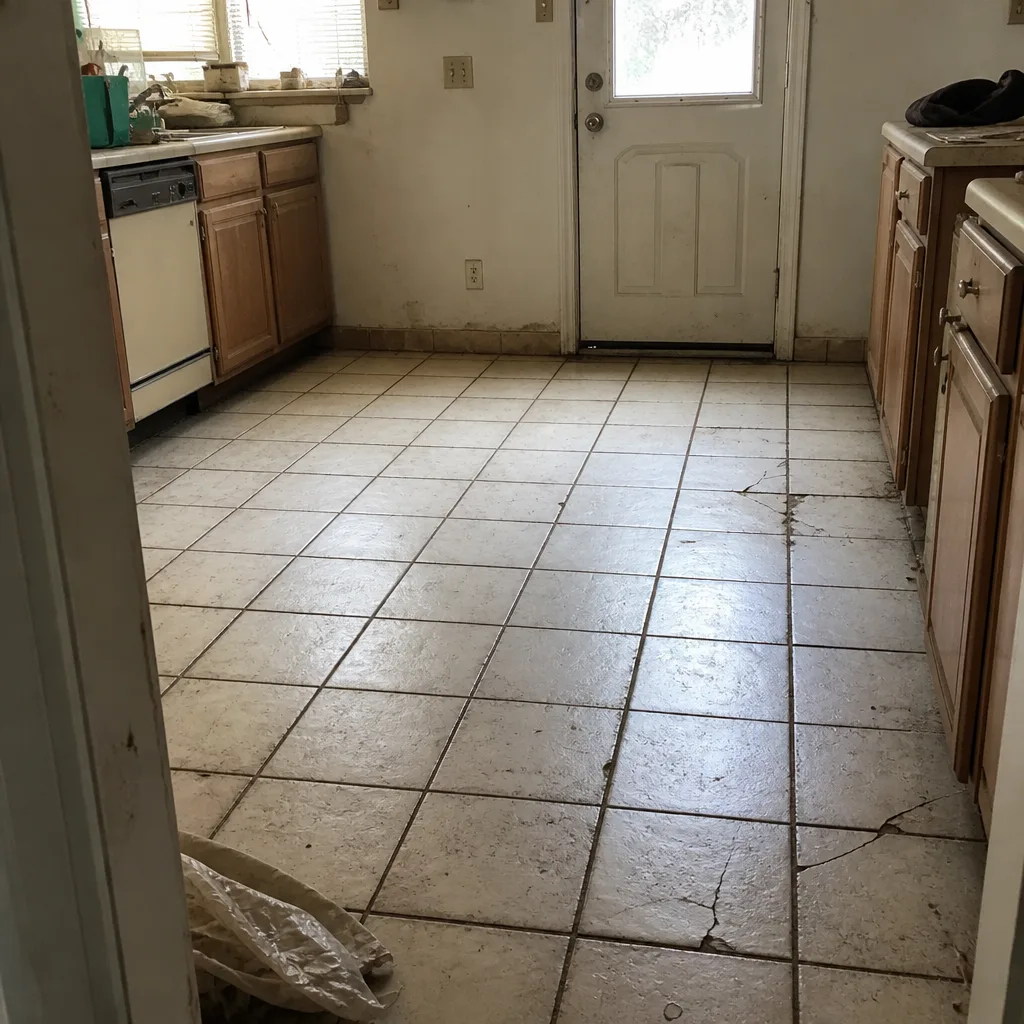 Before
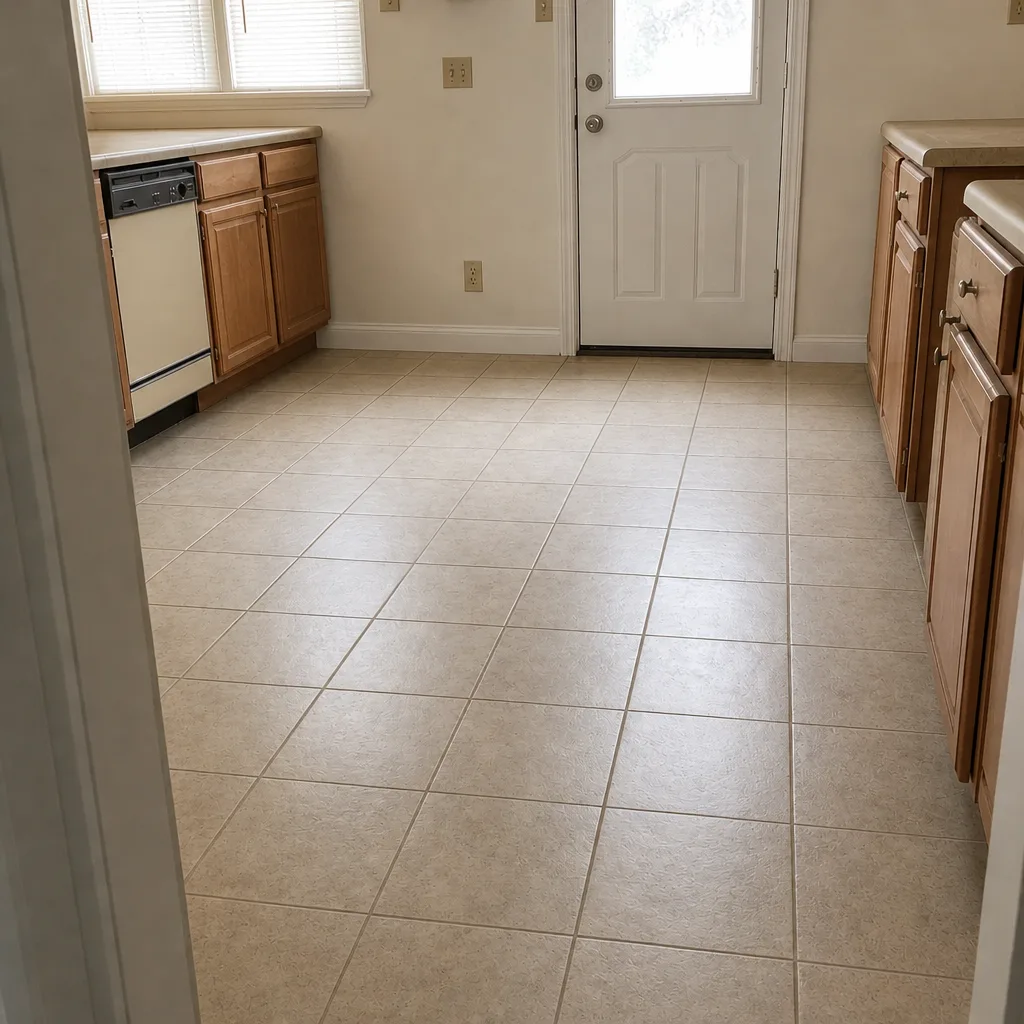 After
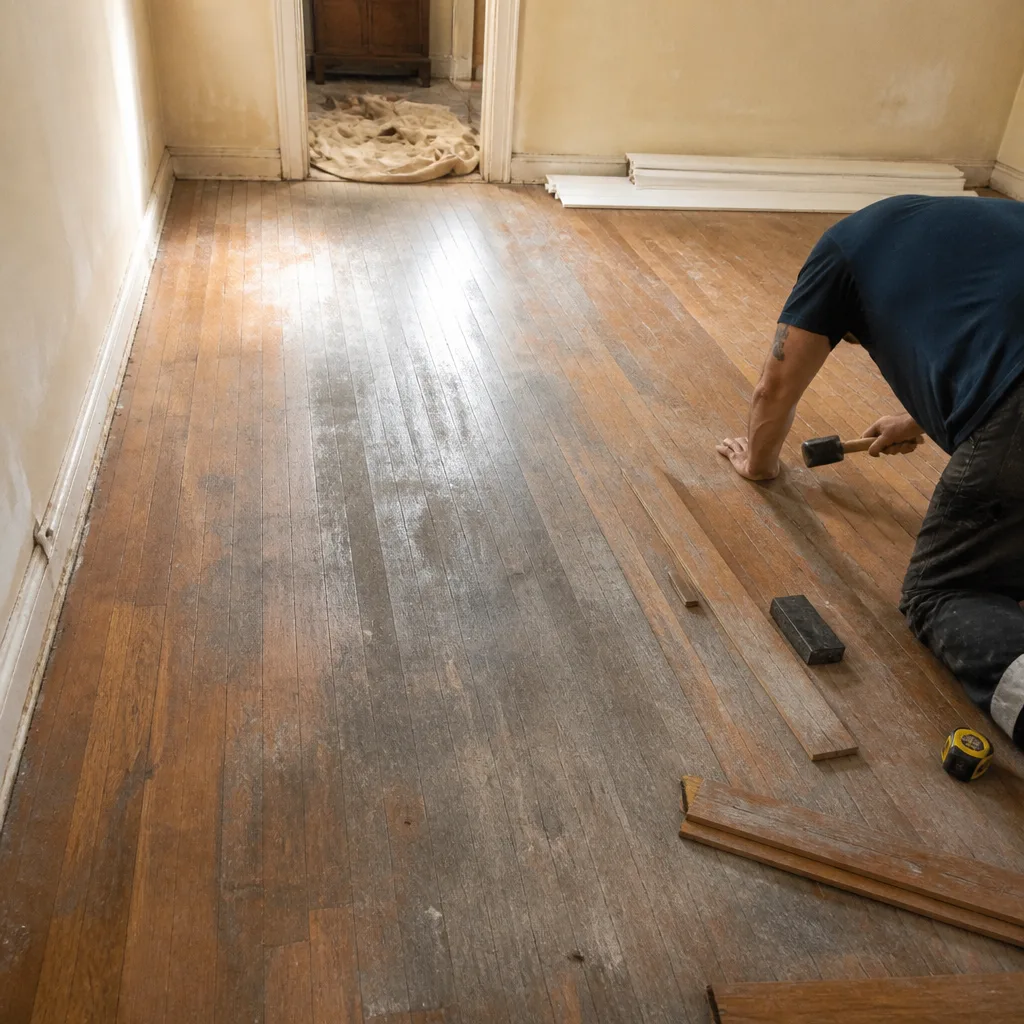 Before
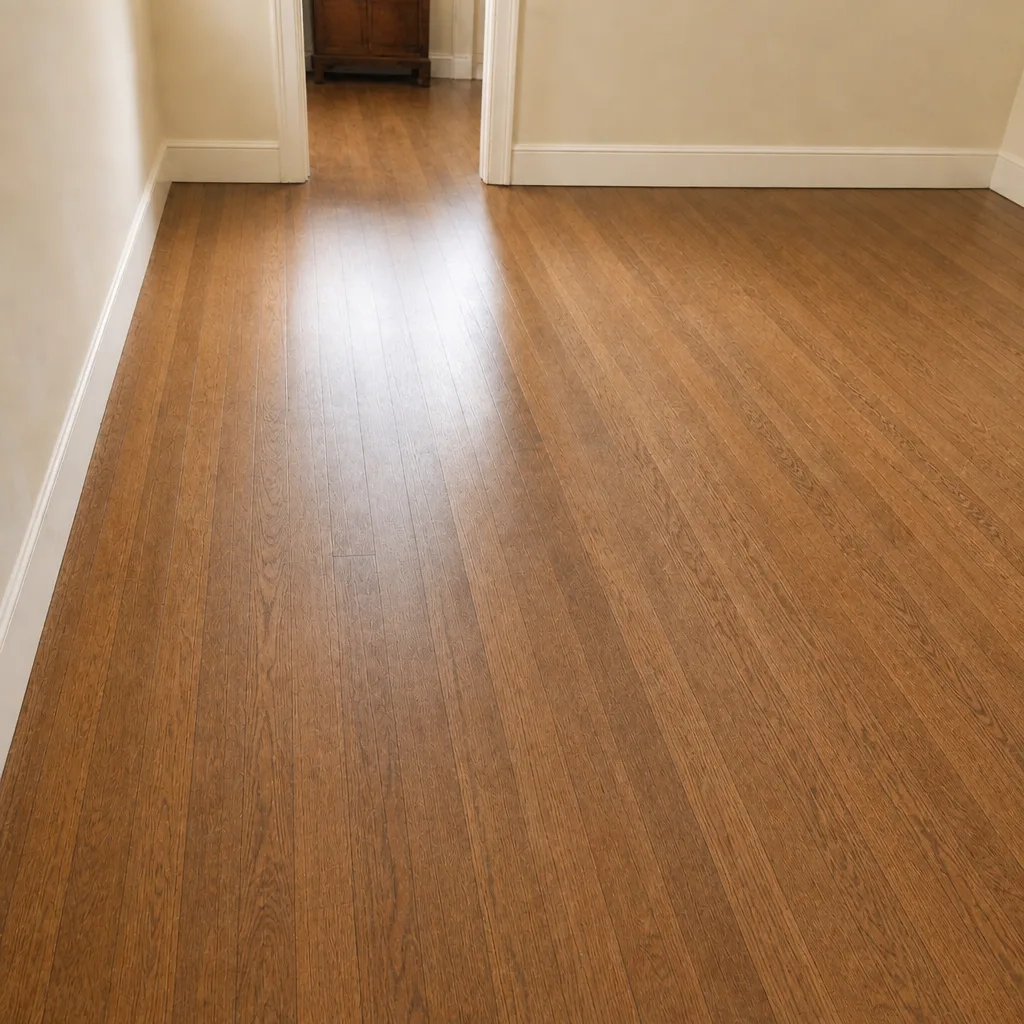 After
When to Call a Professional
Some floor decisions belong on a phone call rather than a form. If you’re weighing refinishing a hardwood floor and aren’t sure whether it can take it, if you’ve got a slab with cracks or a low spot and don’t know how it affects the install, if you’re comparing a low quote against a full one and can’t tell what’s missing, or if a warranty claim is stretching across material and installation and you don’t know which side to approach first, those are worth a conversation with someone who works in the trade. Our team at Flooring Mesquite can walk you through the scope, the brands, and the questions before you commit to anything. Flooring Mesquite offers free estimates in Mesquite; call (844) 560-4155. We answer 24/7. Fast dispatch from 7am to 7pm, Sunday through Friday.
Frequently Asked Questions
Cost depends on the material you choose, the size of the room, and the condition of the subfloor, so there is no single number that fits every job. Luxury vinyl plank usually lands in a lower price range per square foot than porcelain tile or site-finished hardwood, and the written estimate is what sets the final price for your home. Call (844) 560-4155 to schedule a free in-home measure and estimate.
Yes. The estimate is free, and the price is set per job by the written estimate. Nobody is on the clock during the measurement and consultation, and there’s no diagnostic or trip fee. Call (844) 560-4155 for an exact quote; estimates are free.
Yes, and ask directly. The answer tells you whether you’ll have one point of accountability or three companies with three different incentives. A good contractor answers straight: whether the tradespeople handle the install and who you call if something needs fixing. If the answer is “we’ll find someone available,” you’ve learned what you need to know.
Typically the material warranty is voided by improper subfloor preparation, moisture problems, or installation outside the product’s specification. This varies by product, so ask your contractor to walk through the warranty terms for the specific product you’re considering before you sign. Call (844) 560-4155 for an exact quote – estimates are free.
Often yes, but it depends on the thickness of the wood and its condition, which is checked at the estimate visit. Refinishing is its own service with its own scope, and a skilled contractor will look at how much wear layer remains and how deep existing scratches go. Call (844) 560-4155 to set up a free estimate and find out whether yours is a refinish candidate.
The schedule is set at the estimate, once the measurements and scope are known. The size of the room, the material, the subfloor condition, and removal of the old floor all factor in. Nobody can give you a reliable timeline before the estimate visit. Call (844) 560-4155 to schedule yours; estimates are free.
The Bottom Line
The questions that protect a flooring purchase aren’t about color. They’re about accountability: who installs, what the quote covers, how the warranties stack, what triggers a change order, and who answers the phone after the job is done. Ask all five before you sign, and ask for the answers in writing. The right contractor will give them to you without being pushed. The wrong one won’t. In Mesquite’s dry climate and slab-on-grade homes, those answers matter more than any single line on the box.
Call (844) 560-4155 to schedule your free estimate. We answer 24/7. Fast dispatch from 7am to 7pm, Sunday through Friday.
Written by the team at Flooring Mesquite.